THE ADVENTURE COLLECTIVE® · Independent discovery and booking for outdoor travel

Join a guided day trip from Cancún across the turquoise shelf to swim near whale sharks around Isla Contoy. Expect 2–3 guided snorkel immersions, mandatory life jackets, and a strong emphasis on wildlife-safe practices.
Join a guided day trip from Cancún across the turquoise shelf to swim near whale sharks around Isla Contoy. Expect 2–3 guided snorkel immersions, mandatory life jackets, and a strong emphasis on wildlife-safe practices.
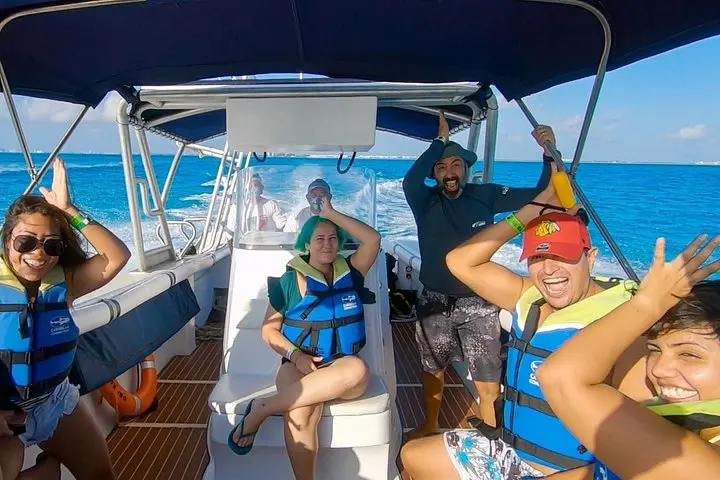
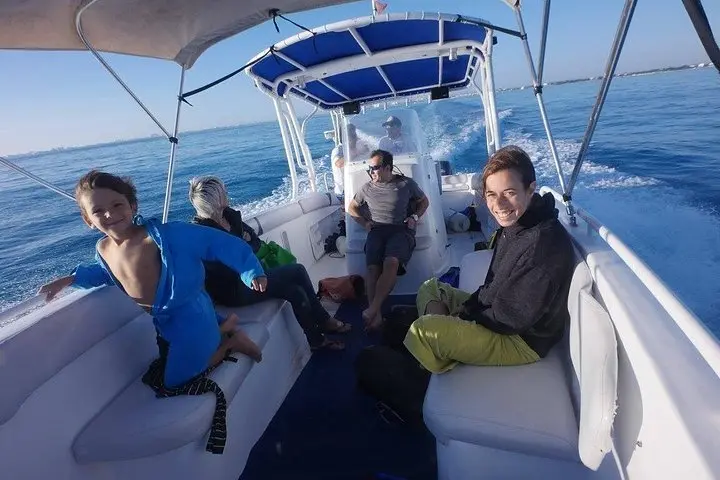
The boat slices through warm Caribbean water before the horizon opens into a broad field of blue where whale sharks feed.
Verified experiences and guided adventures in the surrounding area.
Operated by Caribe Páradise Tours · Cancún, Quintana Roo
The boat slices through warm Caribbean water before the horizon opens into a broad field of blue where whale sharks feed.
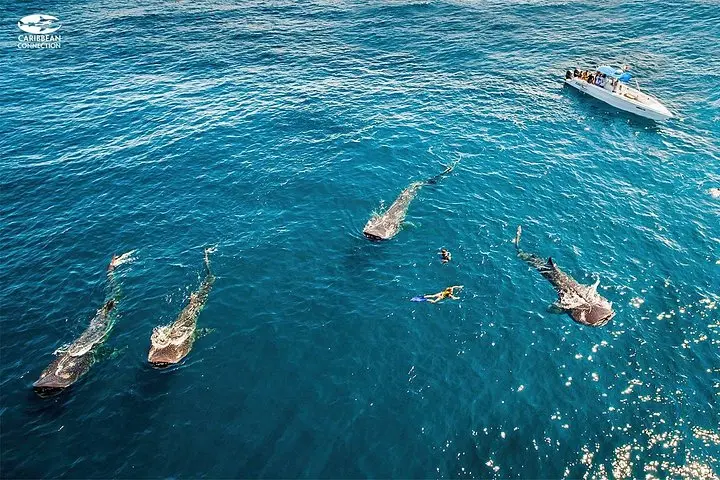
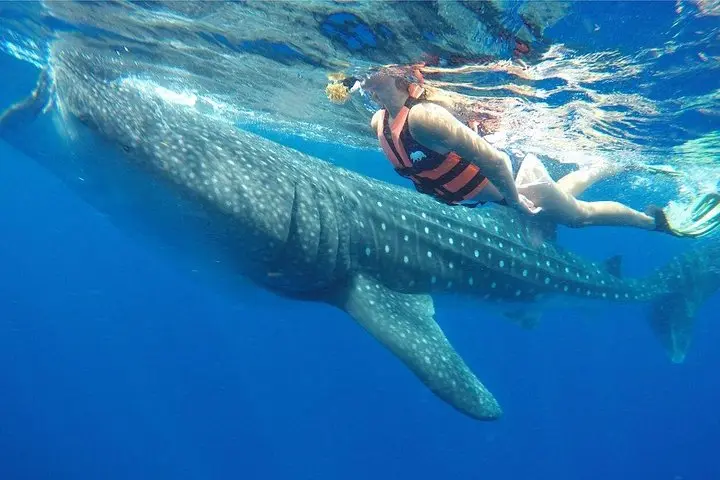
Onboard, the guide outlines the day's plan: a short breakfast, a search across roughly 260 hectares between Isla Mujeres and Isla Contoy, and 2–3 guided snorkel immersions beside the world's largest fish. The animals drift with slow, purposeful motion; their spotted flanks and wide mouths impression the water like living cliffs that invite careful observation rather than contact.
This stretch of the northern Quintana Roo shelf concentrates plankton during the summer months, drawing migrating whale sharks and sometimes giant manta rays. Isla Contoy itself is a protected national park—its low limestone core and offshore coral heads are part of a coastal system shaped by the Yucatán’s porous bedrock and Caribbean currents. Local fishing communities and conservation groups monitor encounters to balance tourism with protection.
Expect a practical, safety-first operation: life jackets are mandatory, guides enter the water in pairs with swimmers, and strict no-touch rules apply. Bring biodegradable sunscreen and a towel; the operator supplies snorkel gear, water and a simple ceviche lunch. Plan for motion and sun exposure—early departures avoid midday heat and increase sighting odds.
For travelers, the trip is equal parts wildlife viewing and technical logistics: steady water skills, boat transfer tolerance, and respect for regulated distances. When the ocean parts for a whale shark, it feels less like an attraction and more like permission to witness a vast, ancient rhythm.
Peak season runs roughly May–September when plankton blooms concentrate whale sharks near Isla Contoy and Isla Mujeres.
No—sightings are common in season but not guaranteed; operators follow pods and currents to maximize chances and have cancellation/refund policies.
Yes—life jackets are mandatory and guides accompany swimmers, but basic comfort in open water and the ability to follow instructions are required.
Operators typically restrict pregnant guests and those with serious heart or spinal conditions; confirm age limits and fitness questions when booking.
Caribe Páradise Tours operates guided outdoor trips and adventures with an emphasis on safety, stewardship, and memorable experiences.
The boat slices through warm Caribbean water before the horizon opens into a broad field of blue where whale sharks feed.
The boat slices through warm Caribbean water before the horizon opens into a broad field of blue where whale sharks feed.
Onboard, the guide outlines the day's plan: a short breakfast, a search across roughly 260 hectares between Isla Mujeres and Isla Contoy, and 2–3 guided snorkel immersions beside the world's largest fish. The animals drift with slow, purposeful motion; their spotted flanks and wide mouths impression the water like living cliffs that invite careful observation rather than contact.
This stretch of the northern Quintana Roo shelf concentrates plankton during the summer months, drawing migrating whale sharks and sometimes giant manta rays. Isla Contoy itself is a protected national park—its low limestone core and offshore coral heads are part of a coastal system shaped by the Yucatán’s porous bedrock and Caribbean currents. Local fishing communities and conservation groups monitor encounters to balance tourism with protection.
Expect a practical, safety-first operation: life jackets are mandatory, guides enter the water in pairs with swimmers, and strict no-touch rules apply. Bring biodegradable sunscreen and a towel; the operator supplies snorkel gear, water and a simple ceviche lunch. Plan for motion and sun exposure—early departures avoid midday heat and increase sighting odds.
For travelers, the trip is equal parts wildlife viewing and technical logistics: steady water skills, boat transfer tolerance, and respect for regulated distances. When the ocean parts for a whale shark, it feels less like an attraction and more like permission to witness a vast, ancient rhythm.