THE ADVENTURE COLLECTIVE® · Independent discovery and booking for outdoor travel

Start before dawn to swim with wild dolphins in Tamarin Bay, then cross Mauritius’ volcanic interior: a dormant crater, a sacred crater lake, forested gorges and Chamarel’s seven-coloured earth. This full-day tour blends marine wildlife with geological spectacle—and practical local guidance to make the most of both.
Start before dawn to swim with wild dolphins in Tamarin Bay, then cross Mauritius’ volcanic interior: a dormant crater, a sacred crater lake, forested gorges and Chamarel’s seven-coloured earth. This full-day tour blends marine wildlife with geological spectacle—and practical local guidance to make the most of both.
The morning smells of diesel and saltwater cut through the dark as the minibus eases away from the hotel strip; the island still sleeps, but the sea is already alive. By first light the speedboat nose-pokes into Tamarin Bay, where a pod of wild dolphins arcs through glassy water like a practiced chorus. The guide’s voice is practical and calm: brief safety talk, biodegradable sunscreen reminder, then the slow, electrified patience of waiting until it’s time to slip in and meet animals that choose the encounter.
Verified experiences and guided adventures in the surrounding area.
Operated by Bonjour Mauritius · Tamarin, Black River District
The morning smells of diesel and saltwater cut through the dark as the minibus eases away from the hotel strip; the island still sleeps, but the sea is already alive. By first light the speedboat nose-pokes into Tamarin Bay, where a pod of wild dolphins arcs through glassy water like a practiced chorus. The guide’s voice is practical and calm: brief safety talk, biodegradable sunscreen reminder, then the slow, electrified patience of waiting until it’s time to slip in and meet animals that choose the encounter.
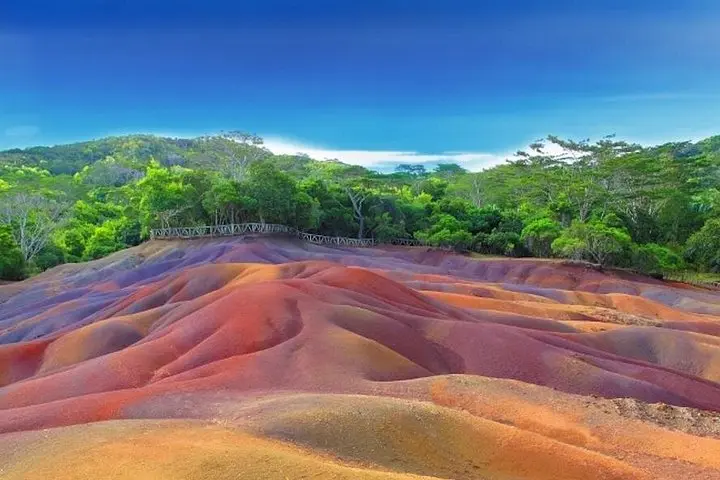
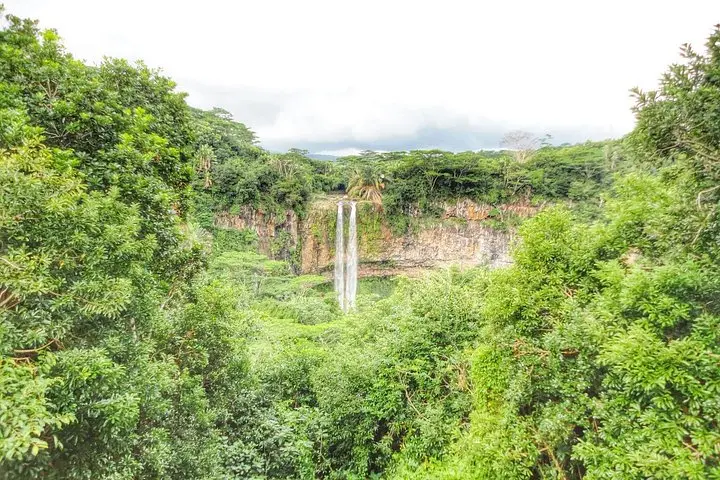
This is not a single-place day; it’s a compressed introduction to Mauritius’ volcanic spine and the cultural layers that sit on top of it. Geologically the island is young — basalt flows and extinct craters mapped across dramatic elevations — and that story reads plainly at Trou aux Cerfs, a 600 m dormant crater that offers panoramic views across sugarcane plains to the Indian Ocean. The day threads from open-sea marine life in the west to the sacred waters of Grand Bassin, a Hindu pilgrimage site formed inside a volcanic cone, and then inland through the forested slopes of Black River Gorges National Park to Chamarel’s seven-colored earth and the thunder of Chamarel Falls.
There’s cultural contrast at each stop. Grand Bassin’s towering Shiva statue and quiet temples are active places of devotion; visitors are expected to dress respectfully and remove shoes when entering shrines. Black River Gorges showcases endemic flora and a chance — if you slow down — to see rare birds and endemic plants recovering under conservation programs. Chamarel’s colored dunes are an optical curiosity: iron-rich volcanic sediments separated by erosion and mineral composition rather than human artifice.
Practically, the tour runs about eight hours with hotel pickup early on the west coast (typical pickup 5:30–7:00am). Expect a 2.5-hour ocean window for dolphin viewing and snorkeling (snorkel gear provided). Trou aux Cerfs involves minimal walking on a crater rim path; Chamarel and Black River stops include short viewpoints and steps. Lunch is not included; budget 60–200 MUR for a casual meal. The operator notes a high dolphin-sighting rate but offers a free reschedule boat trip if sightings are missed, though land transport for that second outing isn’t covered.
Plan for changing conditions: mornings are best for calm seas; wear layers for cooler high-elevation wind at the crater, reef-safe sunscreen, swimwear under quick-dry clothes, and sturdy shoes for short walks. Respect wildlife — don’t chase or touch the dolphins — and allow the island’s geology and culture to set the pace rather than racing through the checklist. At the end of the day, you’ll have swapped the roar of falls for the hush of the shore, and a clearer sense of how volcanic forces and human stories shape this compact, surprising island.
The dolphin portion is approximately 2.5 hours in the open sea; exact time depends on sightings and sea conditions.
Snorkeling near coral sites is included if time permits and equipment is provided by the operator.
Children may join but must be supervised; operators recommend adult accompaniment for those under 12.
If dolphins are not observed (rare), the operator typically offers one free reschedule for the dolphin boat trip; land transport for the second outing isn’t covered.
Yes—personal snorkel gear is fine if you prefer your own mask or camera; the tour provides standard equipment otherwise.
The dolphin portion is not recommended for pregnant travelers; inform the operator at booking to plan alternate arrangements.
Bonjour Mauritius operates guided outdoor trips and adventures with an emphasis on safety, stewardship, and memorable experiences.
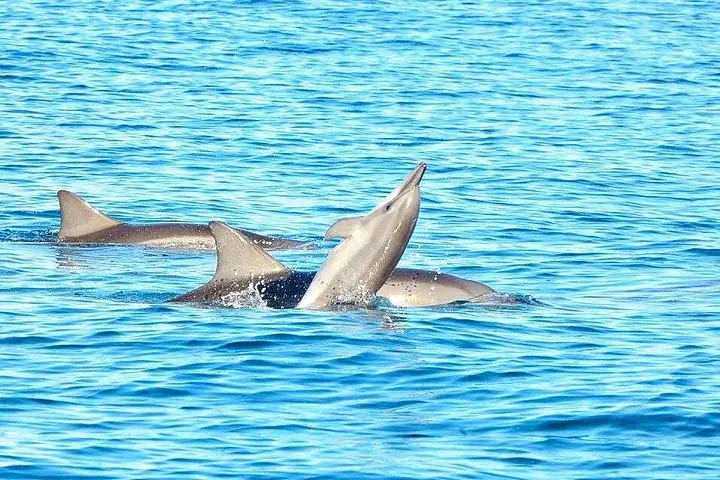
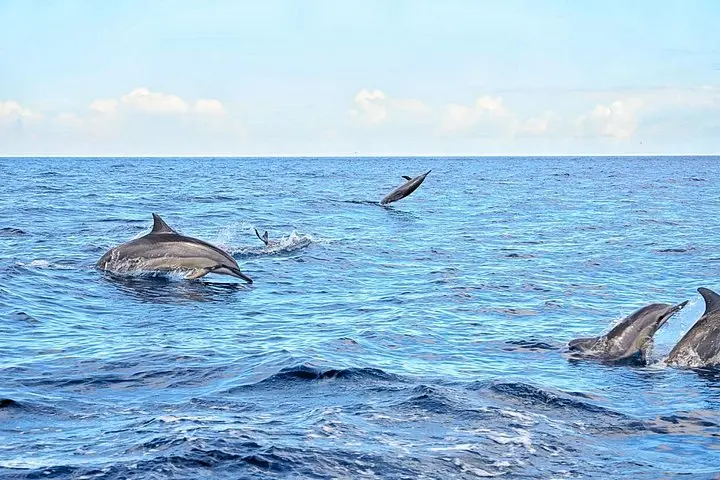
The morning smells of diesel and saltwater cut through the dark as the minibus eases away from the hotel strip; the island still sleeps, but the sea is already alive. By first light the speedboat nose-pokes into Tamarin Bay, where a pod of wild dolphins arcs through glassy water like a practiced chorus. The guide’s voice is practical and calm: brief safety talk, biodegradable sunscreen reminder, then the slow, electrified patience of waiting until it’s time to slip in and meet animals that choose the encounter.
The morning smells of diesel and saltwater cut through the dark as the minibus eases away from the hotel strip; the island still sleeps, but the sea is already alive. By first light the speedboat nose-pokes into Tamarin Bay, where a pod of wild dolphins arcs through glassy water like a practiced chorus. The guide’s voice is practical and calm: brief safety talk, biodegradable sunscreen reminder, then the slow, electrified patience of waiting until it’s time to slip in and meet animals that choose the encounter.
This is not a single-place day; it’s a compressed introduction to Mauritius’ volcanic spine and the cultural layers that sit on top of it. Geologically the island is young — basalt flows and extinct craters mapped across dramatic elevations — and that story reads plainly at Trou aux Cerfs, a 600 m dormant crater that offers panoramic views across sugarcane plains to the Indian Ocean. The day threads from open-sea marine life in the west to the sacred waters of Grand Bassin, a Hindu pilgrimage site formed inside a volcanic cone, and then inland through the forested slopes of Black River Gorges National Park to Chamarel’s seven-colored earth and the thunder of Chamarel Falls.
There’s cultural contrast at each stop. Grand Bassin’s towering Shiva statue and quiet temples are active places of devotion; visitors are expected to dress respectfully and remove shoes when entering shrines. Black River Gorges showcases endemic flora and a chance — if you slow down — to see rare birds and endemic plants recovering under conservation programs. Chamarel’s colored dunes are an optical curiosity: iron-rich volcanic sediments separated by erosion and mineral composition rather than human artifice.
Practically, the tour runs about eight hours with hotel pickup early on the west coast (typical pickup 5:30–7:00am). Expect a 2.5-hour ocean window for dolphin viewing and snorkeling (snorkel gear provided). Trou aux Cerfs involves minimal walking on a crater rim path; Chamarel and Black River stops include short viewpoints and steps. Lunch is not included; budget 60–200 MUR for a casual meal. The operator notes a high dolphin-sighting rate but offers a free reschedule boat trip if sightings are missed, though land transport for that second outing isn’t covered.
Plan for changing conditions: mornings are best for calm seas; wear layers for cooler high-elevation wind at the crater, reef-safe sunscreen, swimwear under quick-dry clothes, and sturdy shoes for short walks. Respect wildlife — don’t chase or touch the dolphins — and allow the island’s geology and culture to set the pace rather than racing through the checklist. At the end of the day, you’ll have swapped the roar of falls for the hush of the shore, and a clearer sense of how volcanic forces and human stories shape this compact, surprising island.