THE ADVENTURE COLLECTIVE® · Independent discovery and booking for outdoor travel

Step off the marina in Ponta Delgada and slip into the open Atlantic for a biologist‑led swim with wild dolphins. This small‑group, research‑minded encounter emphasizes respectful interaction, safety, and real time marine science.
Step off the marina in Ponta Delgada and slip into the open Atlantic for a biologist‑led swim with wild dolphins. This small‑group, research‑minded encounter emphasizes respectful interaction, safety, and real time marine science.
Off the marina in Ponta Delgada, the Zodiac eases into Atlantic blue and the air smells faintly of salt and iron. The water here moves on its own terms; currents nudge the boat, and dolphins often decide whether to make contact. Participants hear a calm briefing from marine biologists, then slip into the surface world with mask and snorkel, floating while dolphins pass—sometimes playful, sometimes simply curious.
Verified experiences and guided adventures in the surrounding area.
Operated by Picos de Aventura - Animação e Lazer, S.A. · Ponta Delgada, Azores
Off the marina in Ponta Delgada, the Zodiac eases into Atlantic blue and the air smells faintly of salt and iron. The water here moves on its own terms; currents nudge the boat, and dolphins often decide whether to make contact. Participants hear a calm briefing from marine biologists, then slip into the surface world with mask and snorkel, floating while dolphins pass—sometimes playful, sometimes simply curious.
The Azores are a volcanic archipelago carved by mid‑Atlantic tectonics; reefs and deep canyons offshore create nutrient-rich corridors where cetaceans concentrate. Historically these islands were a stop for whalers and seafarers; today São Miguel pivots to research and low-impact wildlife encounters, with local crews trained in ethical approach techniques.
Expect short, intense bursts of activity: locating pods from the boat, brief water entries in small groups, and long minutes of quiet observation. Weather and animal choice govern the experience—there are no guarantees, only opportunities when dolphins approach of their own will. The marine biologists emphasize non‑intrusion, rotating swimmers to minimize stress and using natural cues to decide when to enter or exit the water.
Practical notes: be confident in open-water swimming, use the provided snorkel kit or bring a well-fitting mask, and dress for variable sea temperatures; a thin wetsuit is often advisable. Morning departures tend to have calmer seas and better visibility. Respect the animals’ behavior, follow crew instructions, and be prepared for sudden, unforgettable moments when the ocean offers a close look at one of its most intelligent residents.
No—these are wild animals and encounters depend on their behavior; guides only enter the water when dolphins are calm and curious.
Yes—participants must be comfortable snorkeling and swimming in open water; basic snorkeling skills are required.
Snorkelling equipment and guidance are provided, but many guests bring their own mask for fit and comfort; wetsuit availability varies by operator.
Tours can be canceled or rescheduled for safety; the operator typically refunds or offers alternative dates if conditions are unsafe.
Picos de Aventura - Animação e Lazer, S.A. operates guided outdoor trips and adventures with an emphasis on safety, stewardship, and memorable experiences.
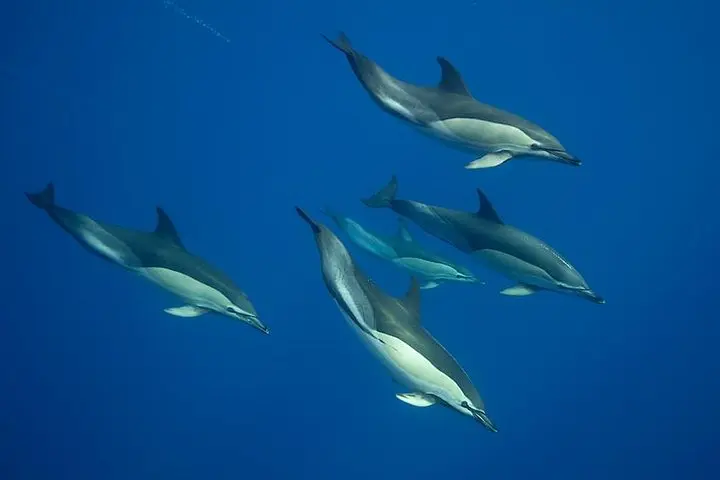
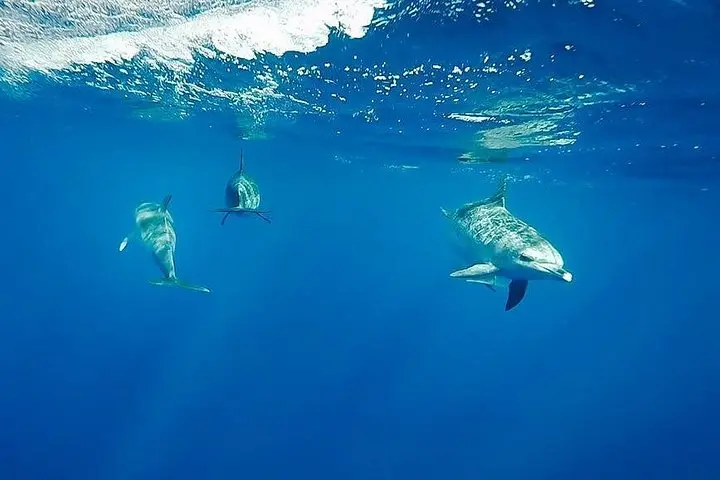
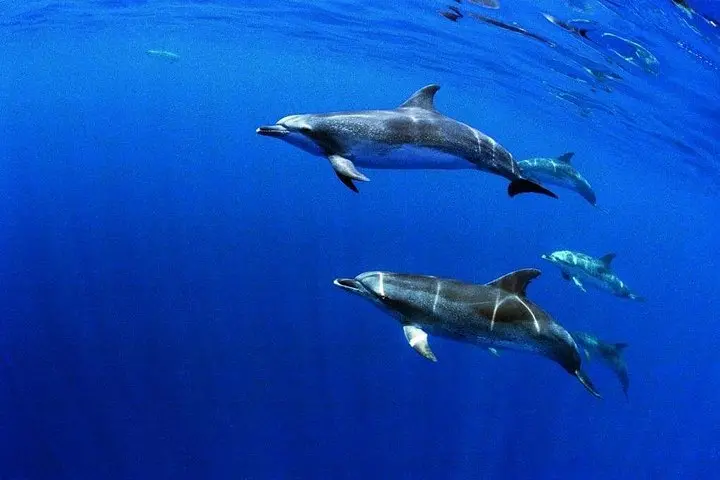
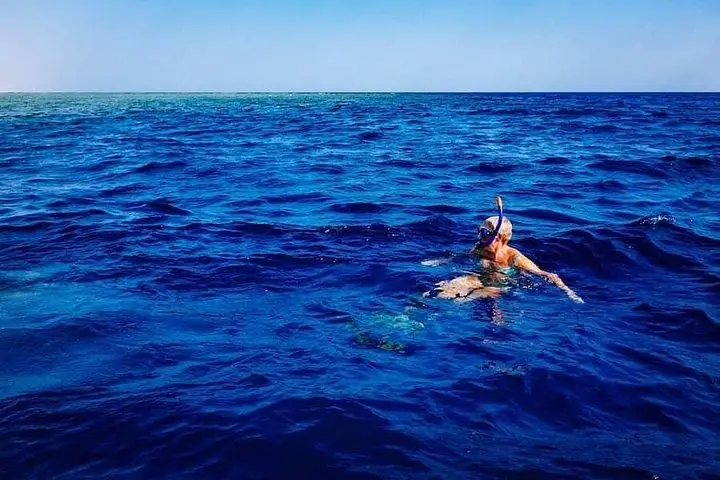
Off the marina in Ponta Delgada, the Zodiac eases into Atlantic blue and the air smells faintly of salt and iron. The water here moves on its own terms; currents nudge the boat, and dolphins often decide whether to make contact. Participants hear a calm briefing from marine biologists, then slip into the surface world with mask and snorkel, floating while dolphins pass—sometimes playful, sometimes simply curious.
Off the marina in Ponta Delgada, the Zodiac eases into Atlantic blue and the air smells faintly of salt and iron. The water here moves on its own terms; currents nudge the boat, and dolphins often decide whether to make contact. Participants hear a calm briefing from marine biologists, then slip into the surface world with mask and snorkel, floating while dolphins pass—sometimes playful, sometimes simply curious.
The Azores are a volcanic archipelago carved by mid‑Atlantic tectonics; reefs and deep canyons offshore create nutrient-rich corridors where cetaceans concentrate. Historically these islands were a stop for whalers and seafarers; today São Miguel pivots to research and low-impact wildlife encounters, with local crews trained in ethical approach techniques.
Expect short, intense bursts of activity: locating pods from the boat, brief water entries in small groups, and long minutes of quiet observation. Weather and animal choice govern the experience—there are no guarantees, only opportunities when dolphins approach of their own will. The marine biologists emphasize non‑intrusion, rotating swimmers to minimize stress and using natural cues to decide when to enter or exit the water.
Practical notes: be confident in open-water swimming, use the provided snorkel kit or bring a well-fitting mask, and dress for variable sea temperatures; a thin wetsuit is often advisable. Morning departures tend to have calmer seas and better visibility. Respect the animals’ behavior, follow crew instructions, and be prepared for sudden, unforgettable moments when the ocean offers a close look at one of its most intelligent residents.