THE ADVENTURE COLLECTIVE® · Independent discovery and booking for outdoor travel

Two days of classic Swiss highlights: a visit to Zermatt and the Matterhorn, a panoramic ride on the Glacier Express, and a guided tour plus lake cruise in Lucerne. Fast-paced but accessible, this trip mixes alpine viewpoints with cultural stops and comfortable rail travel.
Two days of classic Swiss highlights: a visit to Zermatt and the Matterhorn, a panoramic ride on the Glacier Express, and a guided tour plus lake cruise in Lucerne. Fast-paced but accessible, this trip mixes alpine viewpoints with cultural stops and comfortable rail travel.
Morning light cuts across the valley as the train eases toward Zermatt; the Matterhorn pins the horizon like a stone mast, daring you to look up. On day one you step into alpine air, ride a cogwheel up to Gornergrat’s terraces and feel glaciers quietly pushing the skyline. Streets in Zermatt are all wood and stone—simple, weathered, and used to mountain weather—so you move at the village’s steady pace while your guide threads stories of early climbers and local life.
Verified experiences and guided adventures in the surrounding area.
Operated by Switzerland Viva Tours · Zermatt, Valais
Morning light cuts across the valley as the train eases toward Zermatt; the Matterhorn pins the horizon like a stone mast, daring you to look up. On day one you step into alpine air, ride a cogwheel up to Gornergrat’s terraces and feel glaciers quietly pushing the skyline. Streets in Zermatt are all wood and stone—simple, weathered, and used to mountain weather—so you move at the village’s steady pace while your guide threads stories of early climbers and local life.
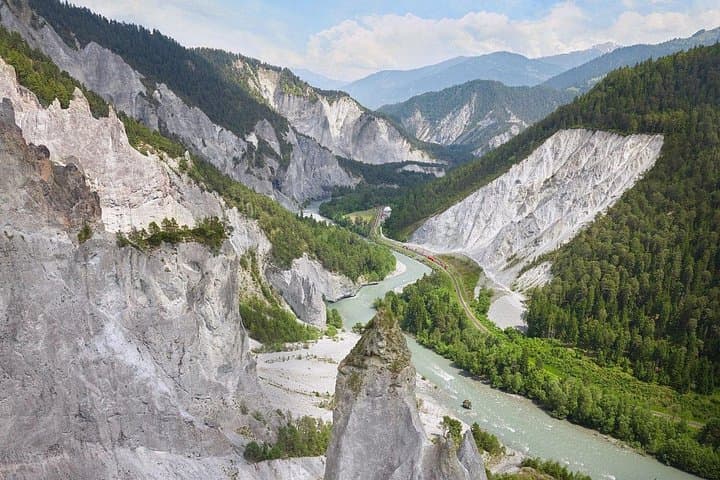
Geology here is blunt and honest: uplifted granite and glacial cirques sculpt the ridgelines, while the Glacier Express route cuts through classic Swiss passes, tunneling between valleys and arcing over viaducts built in the age of rail ambition. Cultural notes arrive in small things—a chapel doorway, a chocolate sample in Lucerne, and the Stockalper Palace’s baroque weight in Brig—each a reminder that these transport routes shaped commerce and tourism for centuries.
Practical side: travel time is mostly rail—three scenic hours to Zermatt, a morning on the Glacier Express, then a guided 2.5-hour walk in Lucerne plus a one-hour lake cruise. Expect short walks, cobbled lanes and some steep station approaches; pack layers for rapid temperature swings, sun protection for crystalline glare off snow and water, and a small daypack for camera, water, and a light jacket. If you’re sensitive to altitude, move deliberately at Gornergrat and hydrate. With trains, seats are reserved and transfers are scheduled—bring ID, keep some Swiss francs or a contactless card handy, and allow time for photos at viewpoints.
Yes — the itinerary includes a two-day train pass, Glacier Express seat reservation and the Gornergrat cog railway ticket as listed in the inclusions.
There is about an hour for lunch at Gornergrat/Zermatt and options in Lucerne; dinners are not included so plan meal stops in town or on your own schedule.
Many transport options and public areas are wheelchair accessible, but some stations and village streets have cobbles and steps—check specific accessibility needs with the operator in advance.
Gornergrat reaches over 3,000 m; those sensitive to altitude should move slowly, stay hydrated and avoid heavy exertion the first hour at elevation.
Switzerland Viva Tours operates guided outdoor trips and adventures with an emphasis on safety, stewardship, and memorable experiences.

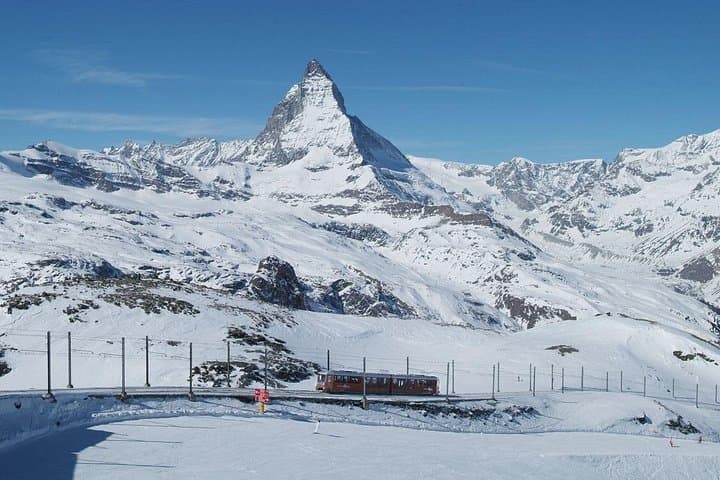

Morning light cuts across the valley as the train eases toward Zermatt; the Matterhorn pins the horizon like a stone mast, daring you to look up. On day one you step into alpine air, ride a cogwheel up to Gornergrat’s terraces and feel glaciers quietly pushing the skyline. Streets in Zermatt are all wood and stone—simple, weathered, and used to mountain weather—so you move at the village’s steady pace while your guide threads stories of early climbers and local life.
Morning light cuts across the valley as the train eases toward Zermatt; the Matterhorn pins the horizon like a stone mast, daring you to look up. On day one you step into alpine air, ride a cogwheel up to Gornergrat’s terraces and feel glaciers quietly pushing the skyline. Streets in Zermatt are all wood and stone—simple, weathered, and used to mountain weather—so you move at the village’s steady pace while your guide threads stories of early climbers and local life.
Geology here is blunt and honest: uplifted granite and glacial cirques sculpt the ridgelines, while the Glacier Express route cuts through classic Swiss passes, tunneling between valleys and arcing over viaducts built in the age of rail ambition. Cultural notes arrive in small things—a chapel doorway, a chocolate sample in Lucerne, and the Stockalper Palace’s baroque weight in Brig—each a reminder that these transport routes shaped commerce and tourism for centuries.
Practical side: travel time is mostly rail—three scenic hours to Zermatt, a morning on the Glacier Express, then a guided 2.5-hour walk in Lucerne plus a one-hour lake cruise. Expect short walks, cobbled lanes and some steep station approaches; pack layers for rapid temperature swings, sun protection for crystalline glare off snow and water, and a small daypack for camera, water, and a light jacket. If you’re sensitive to altitude, move deliberately at Gornergrat and hydrate. With trains, seats are reserved and transfers are scheduled—bring ID, keep some Swiss francs or a contactless card handy, and allow time for photos at viewpoints.