THE ADVENTURE COLLECTIVE® · Independent discovery and booking for outdoor travel

A compact, full-day tour that pairs Sighisoara’s medieval citadel with Székely folk culture, salt mine highlights and a lakeside nature walk. Expect guided history, local craft visits and private transport across varied terrain.
A compact, full-day tour that pairs Sighisoara’s medieval citadel with Székely folk culture, salt mine highlights and a lakeside nature walk. Expect guided history, local craft visits and private transport across varied terrain.
You step out of an air-conditioned minivan onto flagstones that slope toward a tower clock that has kept time for five centuries. The citadel perches above a river valley; morning light hits painted houses and narrow stairways while the guide points out the watchtowers and fortified churches that mark Saxon and Székely histories.
Verified experiences and guided adventures in the surrounding area.
Operated by TRANSILVANIA DRIVER · Sighisoara, Mureș County
You step out of an air-conditioned minivan onto flagstones that slope toward a tower clock that has kept time for five centuries. The citadel perches above a river valley; morning light hits painted houses and narrow stairways while the guide points out the watchtowers and fortified churches that mark Saxon and Székely histories.
The day moves from urban ramparts into open fields and forested hills. Székely Land is a Hungarian-speaking subregion of eastern Transylvania with a visible folk craft tradition—wooden gates carved with names and motifs—followed by small workshops where pottery and textiles are still made to sell locally. Geology threads through the itinerary: nearby salt deposits created deep caverns that have been adapted for visitors, and the lakes in the natural park reflect the carbonate and mineral-rich soils of the area.
You’ll pass a memorial to Orbán Balázs, a 19th-century writer who recorded Transylvanian landscapes and peasant life, and spend time at a compact ethnographic collection showing how farming and craft shaped local identity. Practicalities are straightforward: expect a 6–10 hour loop with private transport, timed stops at a citadel, craft hamlets, a salt-mine attraction, and a lakeside walk. Bring comfortable, treaded shoes for cobbles and mine steps, layers for changing microclimates, and cash for small purchases. If you plan on entering the salt caverns, verify mobility needs—some underground areas involve stairs and cool, damp air. The day is balanced—history, geology, and living craft—designed for travelers who want depth without a long, technical hike.
The full-day private tour runs about 6–10 hours with multiple short stops: a guided citadel visit, craft hamlet, salt-mine attraction and a lakeside walk; pacing is relaxed but full.
Private air-conditioned transportation is included; departure and pickup points are arranged with the operator—many tours originate from Targu Mures or nearby towns.
Some stops include no admission in the base description; confirm with the operator which museum or mine entry fees are covered or paid locally.
The tour is classified as physically easy overall, but the citadel and many salt-mine areas have stairs and uneven surfaces; check accessibility details with the provider before booking.
TRANSILVANIA DRIVER operates guided outdoor trips and adventures with an emphasis on safety, stewardship, and memorable experiences.
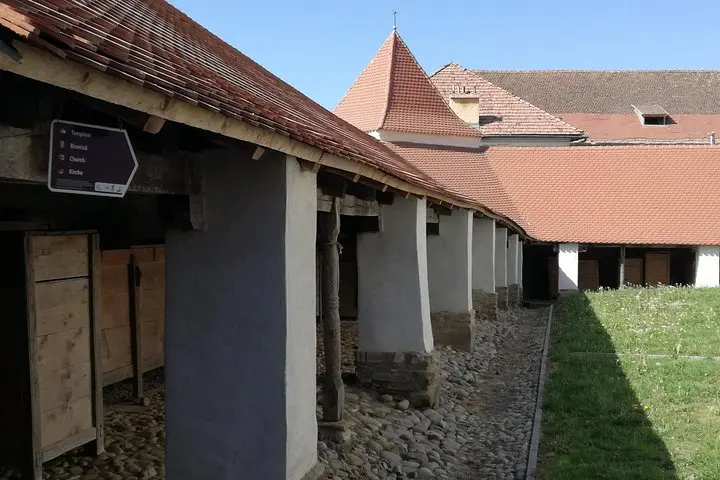
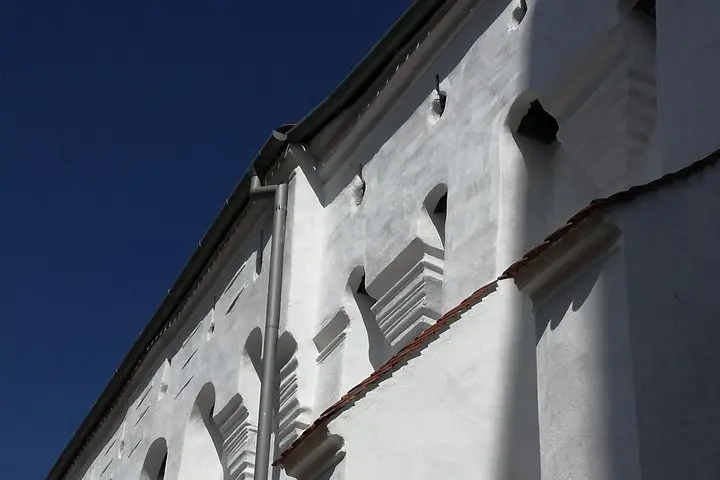
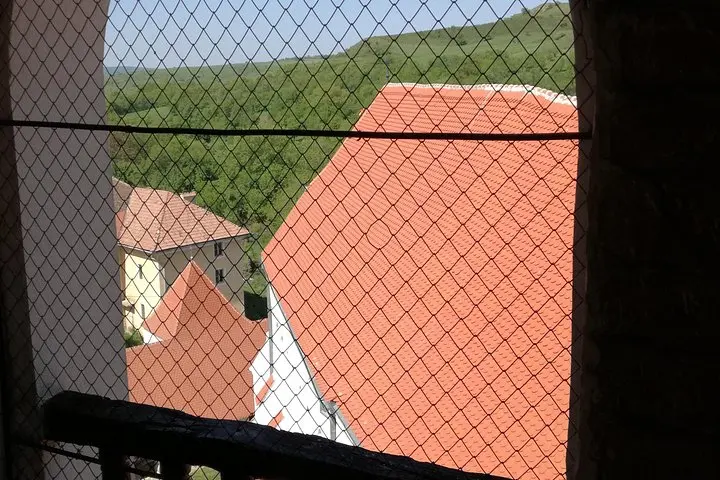
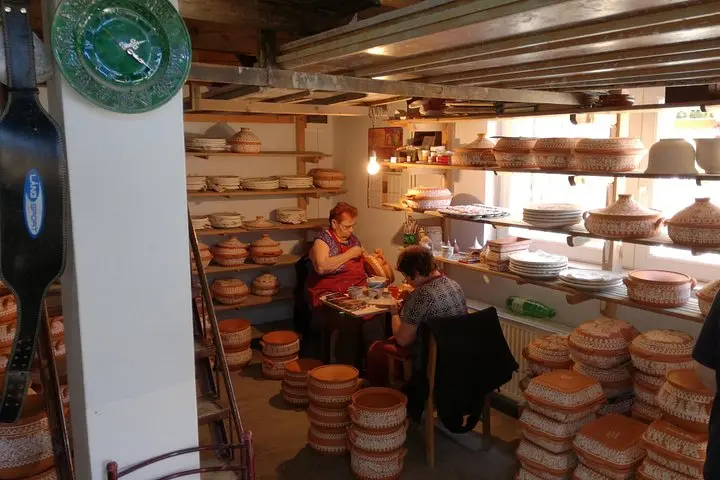
You step out of an air-conditioned minivan onto flagstones that slope toward a tower clock that has kept time for five centuries. The citadel perches above a river valley; morning light hits painted houses and narrow stairways while the guide points out the watchtowers and fortified churches that mark Saxon and Székely histories.
You step out of an air-conditioned minivan onto flagstones that slope toward a tower clock that has kept time for five centuries. The citadel perches above a river valley; morning light hits painted houses and narrow stairways while the guide points out the watchtowers and fortified churches that mark Saxon and Székely histories.
The day moves from urban ramparts into open fields and forested hills. Székely Land is a Hungarian-speaking subregion of eastern Transylvania with a visible folk craft tradition—wooden gates carved with names and motifs—followed by small workshops where pottery and textiles are still made to sell locally. Geology threads through the itinerary: nearby salt deposits created deep caverns that have been adapted for visitors, and the lakes in the natural park reflect the carbonate and mineral-rich soils of the area.
You’ll pass a memorial to Orbán Balázs, a 19th-century writer who recorded Transylvanian landscapes and peasant life, and spend time at a compact ethnographic collection showing how farming and craft shaped local identity. Practicalities are straightforward: expect a 6–10 hour loop with private transport, timed stops at a citadel, craft hamlets, a salt-mine attraction, and a lakeside walk. Bring comfortable, treaded shoes for cobbles and mine steps, layers for changing microclimates, and cash for small purchases. If you plan on entering the salt caverns, verify mobility needs—some underground areas involve stairs and cool, damp air. The day is balanced—history, geology, and living craft—designed for travelers who want depth without a long, technical hike.