THE ADVENTURE COLLECTIVE® · Independent discovery and booking for outdoor travel

A two-day trek from Sapa to Ta Phin Village that blends mountain hiking, a village homestay, and a cave visit. Expect terraced fields, Red Dao culture, and variable mountain weather over manageable distances.
A two-day trek from Sapa to Ta Phin Village that blends mountain hiking, a village homestay, and a cave visit. Expect terraced fields, Red Dao culture, and variable mountain weather over manageable distances.
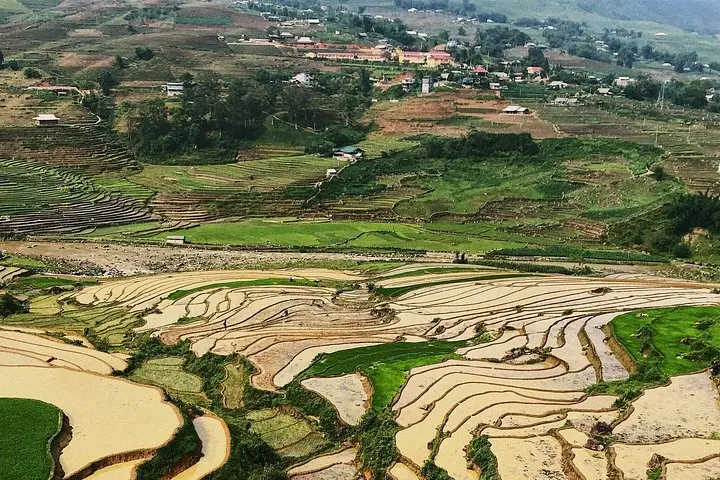
Morning mist clings to ridgelines as you step out of Sapa’s narrow streets and into a landscape that moves—rice terraces flowing like slow steps, streams daring you to follow their course, and a single-track path that climbs through bamboo and rhododendron.
Verified experiences and guided adventures in the surrounding area.
Operated by SAIGONESE TREKKING HOUSE · Sapa, Lao Cai
Morning mist clings to ridgelines as you step out of Sapa’s narrow streets and into a landscape that moves—rice terraces flowing like slow steps, streams daring you to follow their course, and a single-track path that climbs through bamboo and rhododendron.
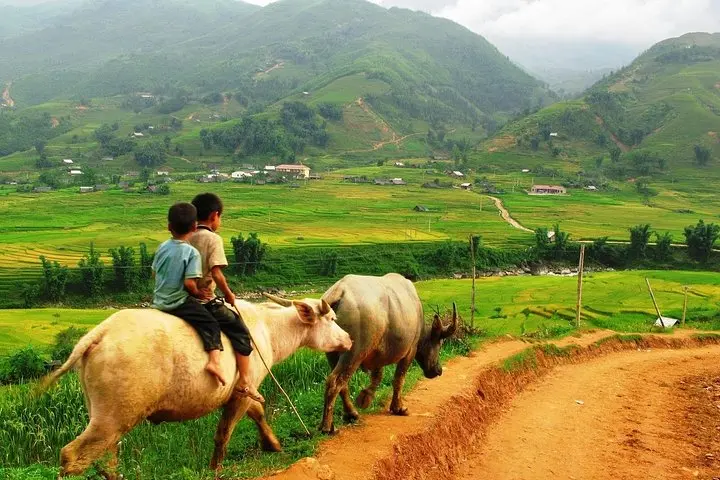
The two-day trek to Ta Phin Village threads together natural history and local life: the limestone that forms nearby caves was laid down millions of years ago and has been sculpted into caverns and stalactites that wait on day two. Along the route, Red Dao and Hmong communities maintain stilt houses, indigo cloth, and herbal traditions; guides often point out medicinal plants and describe seasonal rituals still observed in the valley.
Geology shows in every slope—steep terraces cut into slopes for wet-rice farming, scree lines above village clearings, and the karst pockets that harbor Ta Phin Cave. Culturally, the trek is a slow exchange: homestays offer simple meals of rice, soups, and mountain greens, and evenings are for conversation and rest.
Practical guidance: expect roughly 12–20 km of walking across two days with periods of steady ascent and descending tracks that can be muddy after rain. Bring sturdy hiking shoes with good tread, a waterproof layer, and at least 2–3 liters of water per day; altitude is modest but weather shifts quickly, so pack layers. Respect private yards and local dress codes, ask before photographing people, and budget time for stops—tea, herbal gathering demonstrations, and cave exploration add value to the route. The trip balances scenery, culture, and manageable effort for hikers in moderate condition.
Day one typically covers several hours of trekking with breaks and village visits; day two is shorter and includes the cave visit and return to Sapa—expect full-day effort on day one and a half-day on day two.
Homestays are simple but clean: shared rooms or basic private rooms, local food, and common areas—bring a small towel and basic toiletries.
Altitude here is moderate (Sapa area around 1,500–1,800 m); most travelers acclimate quickly but stay hydrated and move at a comfortable pace to avoid symptoms.
Guides can usually arrange simpler or vegetarian meals with advance notice—be sure to list dietary needs when booking.
SAIGONESE TREKKING HOUSE operates guided outdoor trips and adventures with an emphasis on safety, stewardship, and memorable experiences.

Morning mist clings to ridgelines as you step out of Sapa’s narrow streets and into a landscape that moves—rice terraces flowing like slow steps, streams daring you to follow their course, and a single-track path that climbs through bamboo and rhododendron.
Morning mist clings to ridgelines as you step out of Sapa’s narrow streets and into a landscape that moves—rice terraces flowing like slow steps, streams daring you to follow their course, and a single-track path that climbs through bamboo and rhododendron.
The two-day trek to Ta Phin Village threads together natural history and local life: the limestone that forms nearby caves was laid down millions of years ago and has been sculpted into caverns and stalactites that wait on day two. Along the route, Red Dao and Hmong communities maintain stilt houses, indigo cloth, and herbal traditions; guides often point out medicinal plants and describe seasonal rituals still observed in the valley.
Geology shows in every slope—steep terraces cut into slopes for wet-rice farming, scree lines above village clearings, and the karst pockets that harbor Ta Phin Cave. Culturally, the trek is a slow exchange: homestays offer simple meals of rice, soups, and mountain greens, and evenings are for conversation and rest.
Practical guidance: expect roughly 12–20 km of walking across two days with periods of steady ascent and descending tracks that can be muddy after rain. Bring sturdy hiking shoes with good tread, a waterproof layer, and at least 2–3 liters of water per day; altitude is modest but weather shifts quickly, so pack layers. Respect private yards and local dress codes, ask before photographing people, and budget time for stops—tea, herbal gathering demonstrations, and cave exploration add value to the route. The trip balances scenery, culture, and manageable effort for hikers in moderate condition.