THE ADVENTURE COLLECTIVE® · Independent discovery and booking for outdoor travel

See Cape Town from ridge to island in a single day: ascend Table Mountain by cable car for sweeping Atlantic views, then cross to Robben Island for a sobering, essential history lesson. This full-day, hotel pickup tour pairs natural spectacle with political memory.
See Cape Town from ridge to island in a single day: ascend Table Mountain by cable car for sweeping Atlantic views, then cross to Robben Island for a sobering, essential history lesson. This full-day, hotel pickup tour pairs natural spectacle with political memory.
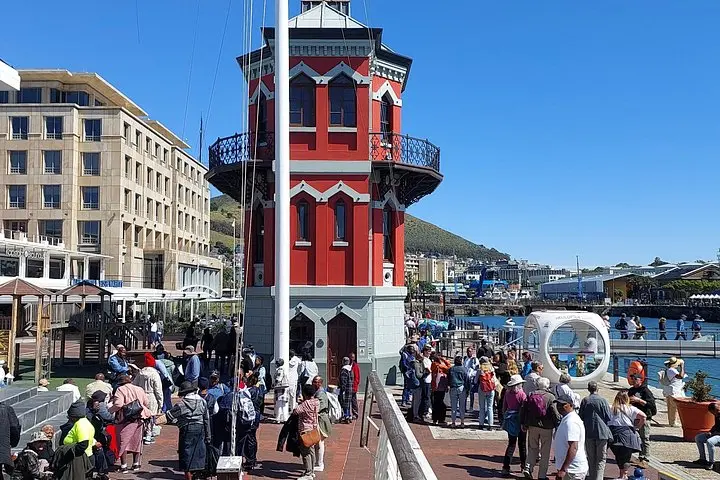
Morning light slides across the harbor and the city exhales — gulls circle like punctuation marks above the quay as your guide greets you and the van pulls away.
Verified experiences and guided adventures in the surrounding area.
Operated by Sighting Tours. · Cape Town, Western Cape
Morning light slides across the harbor and the city exhales — gulls circle like punctuation marks above the quay as your guide greets you and the van pulls away.
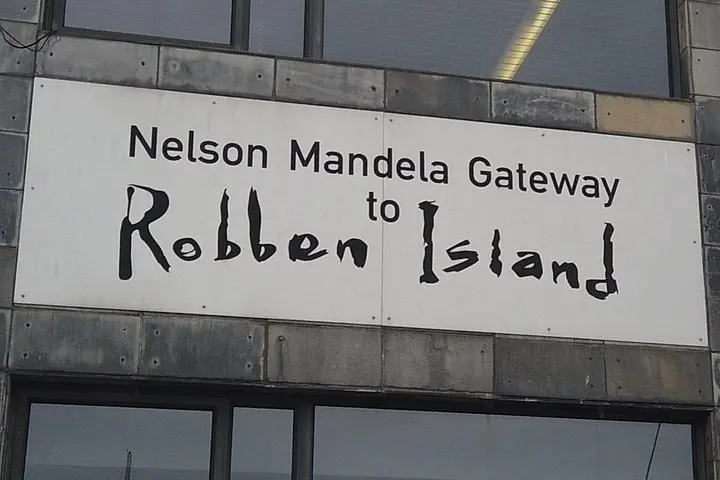
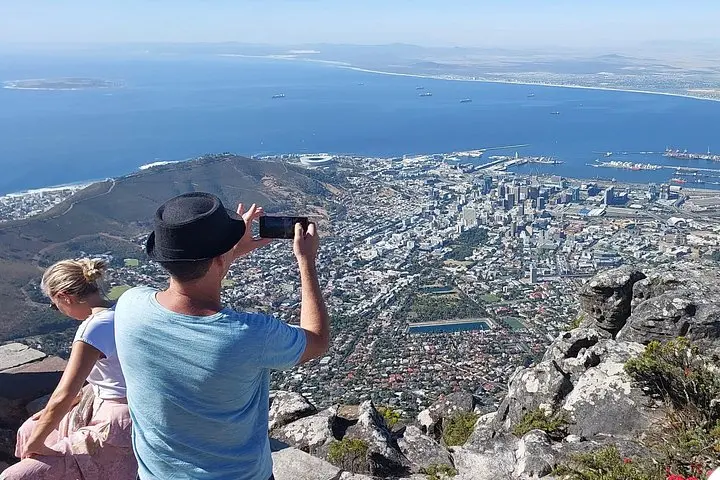
In eight hours this compact Cape Town itinerary threads together two of the city's most charged landscapes: the flat-topped mass of Table Mountain and the small, wind-swept prison island that shaped modern South Africa, Robben Island. The cable car rises like a glass elevator to 1,086 meters, turning the urban grid below into a patchwork of roofs and ocean. On the island, history is tactile: rough concrete corridors, the cramped cell where Nelson Mandela spent 18 of his 27 years in captivity, and an unflinching museum that puts names and faces to a long struggle.
Geology and history mingle here. Table Mountain's sandstone slab is the result of 450 million years of deposition and erosion; its plateau was sculpted by wind and rain into cliffs that look out over the Atlantic. Robben Island, roughly 7 kilometers offshore, is a low, dolomitic landform that has been used alternately as a penal colony and leper settlement — its limestone soils and stark grasses are part of the story visitors feel beneath their feet.
Culturally the tour is a crash course: a mix of natural spectacle and political memory. Guides translate panoramic vistas into orientation — Signal Hill to the north, Lion's Head to the west, the Twelve Apostles range stacking behind Camps Bay — and ferry staff frame Robben Island's prison history with voices of former inmates and archival displays.
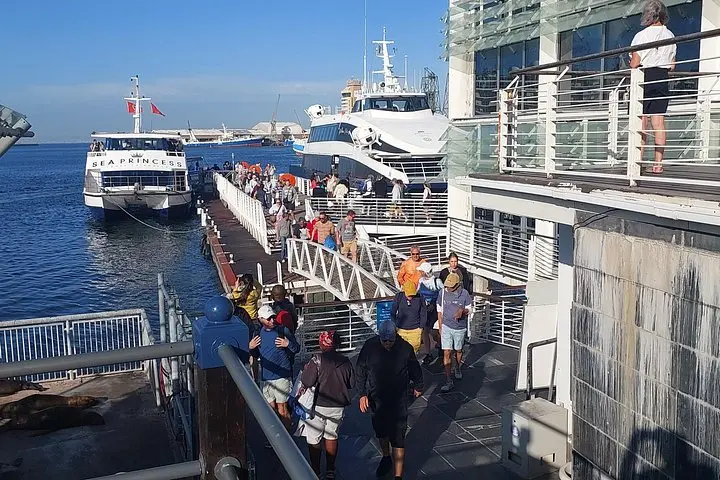
Practicalities matter: this is an 8-hour outing with hotel pickup and drop-off, modest walking on mixed surfaces and stairs, and two transfers — the Aerial Cableway and the Robben Island ferry. Weather is the boss. Strong winds can close the cable car; rough seas can suspend the ferry. If either is affected you may be offered an alternate plan or rescheduling where possible.
Bring layers — the summit is often several degrees colder and much windier than the city — plus sturdy shoes for walking the island, a windproof shell, sunscreen and water. Expect a mix of short, flat promenades and some uneven ground; the museum tour on Robben Island can be emotionally heavy, so plan time to process after.
Timing tips: arrive early for calmer winds on the mountain and lighter crowds at the ferry terminal. Keep your phone charged — the views are relentless — and carry a printed or mobile reservation for Robben Island, as tickets are limited and strictly scheduled.
This tour is efficient: it connects geology, ocean, and history in a single day, offering both sweeping panoramas and intimate, human-scale stories. For travelers who want to understand Cape Town's landscape and legacy without coordinating transport and tickets, it’s a compact, well-paced introduction.
The ferry crossing takes about 30–45 minutes each way depending on sea conditions.
Yes — strong winds can close the cable car; the operator will suggest an alternative if available or reschedule where possible.
Children are welcome but the historical content can be intense; infants may need to sit on laps on the ferry.
Robben Island ferry and museum tickets are included in this tour; cable car tickets may be subject to availability and weather-related changes.
Wear comfortable, closed-toe shoes and layers; the island is exposed to wind and sun with few shelter options.
Yes — Robben Island tickets are limited and sell out; this combined tour secures both island and mountain logistics in one booking.
Sighting Tours. operates guided outdoor trips and adventures with an emphasis on safety, stewardship, and memorable experiences.
Morning light slides across the harbor and the city exhales — gulls circle like punctuation marks above the quay as your guide greets you and the van pulls away.
Morning light slides across the harbor and the city exhales — gulls circle like punctuation marks above the quay as your guide greets you and the van pulls away.
In eight hours this compact Cape Town itinerary threads together two of the city's most charged landscapes: the flat-topped mass of Table Mountain and the small, wind-swept prison island that shaped modern South Africa, Robben Island. The cable car rises like a glass elevator to 1,086 meters, turning the urban grid below into a patchwork of roofs and ocean. On the island, history is tactile: rough concrete corridors, the cramped cell where Nelson Mandela spent 18 of his 27 years in captivity, and an unflinching museum that puts names and faces to a long struggle.
Geology and history mingle here. Table Mountain's sandstone slab is the result of 450 million years of deposition and erosion; its plateau was sculpted by wind and rain into cliffs that look out over the Atlantic. Robben Island, roughly 7 kilometers offshore, is a low, dolomitic landform that has been used alternately as a penal colony and leper settlement — its limestone soils and stark grasses are part of the story visitors feel beneath their feet.
Culturally the tour is a crash course: a mix of natural spectacle and political memory. Guides translate panoramic vistas into orientation — Signal Hill to the north, Lion's Head to the west, the Twelve Apostles range stacking behind Camps Bay — and ferry staff frame Robben Island's prison history with voices of former inmates and archival displays.
Practicalities matter: this is an 8-hour outing with hotel pickup and drop-off, modest walking on mixed surfaces and stairs, and two transfers — the Aerial Cableway and the Robben Island ferry. Weather is the boss. Strong winds can close the cable car; rough seas can suspend the ferry. If either is affected you may be offered an alternate plan or rescheduling where possible.
Bring layers — the summit is often several degrees colder and much windier than the city — plus sturdy shoes for walking the island, a windproof shell, sunscreen and water. Expect a mix of short, flat promenades and some uneven ground; the museum tour on Robben Island can be emotionally heavy, so plan time to process after.
Timing tips: arrive early for calmer winds on the mountain and lighter crowds at the ferry terminal. Keep your phone charged — the views are relentless — and carry a printed or mobile reservation for Robben Island, as tickets are limited and strictly scheduled.
This tour is efficient: it connects geology, ocean, and history in a single day, offering both sweeping panoramas and intimate, human-scale stories. For travelers who want to understand Cape Town's landscape and legacy without coordinating transport and tickets, it’s a compact, well-paced introduction.