THE ADVENTURE COLLECTIVE® · Independent discovery and booking for outdoor travel

A private full‑day tour that pairs Table Mountain panoramas with the coastal drama of Chapman’s Peak, close encounters with African penguins at Boulders Beach, and the historic headlands of Cape Point and the Cape of Good Hope.
A private full‑day tour that pairs Table Mountain panoramas with the coastal drama of Chapman’s Peak, close encounters with African penguins at Boulders Beach, and the historic headlands of Cape Point and the Cape of Good Hope.
You step into the cable car as wind tugs at your jacket, and Cape Town unfurls beneath—a checkerboard of harbor, suburbs, and the dark sweep of Table Bay. The city feels both compact and immense from above, with the flat summit of Table Mountain holding court over the harbor like a weathered crown. That morning view sets the tone for a day that stitches together high granite ridges, sculpted coastal roadways, and a close-up with one of the world’s most photogenic penguin colonies.
Verified experiences and guided adventures in the surrounding area.
Operated by Florafricana Shuttle and Tours · Cape Town, Western Cape
You step into the cable car as wind tugs at your jacket, and Cape Town unfurls beneath—a checkerboard of harbor, suburbs, and the dark sweep of Table Bay. The city feels both compact and immense from above, with the flat summit of Table Mountain holding court over the harbor like a weathered crown. That morning view sets the tone for a day that stitches together high granite ridges, sculpted coastal roadways, and a close-up with one of the world’s most photogenic penguin colonies.
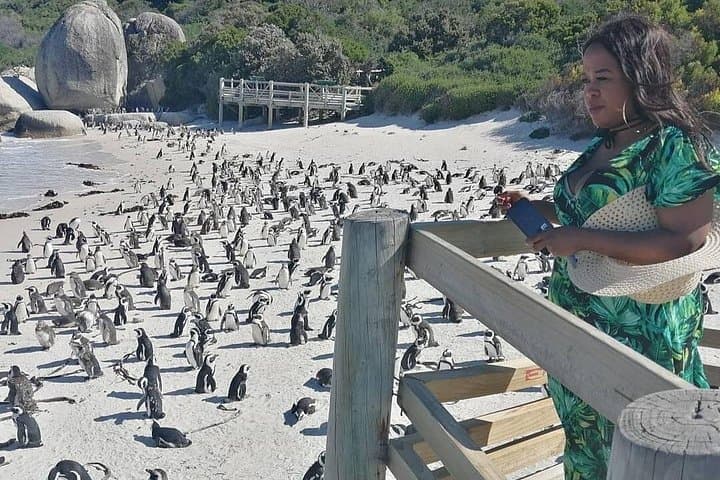
Geology explains some of the spectacle: Table Mountain’s ochre sandstone sits on much older Cape granite, the whole massif carved over millennia by wind and wave. Driving south along Chapman’s Peak, the cliffs press close to the road; the ocean dares you to keep your camera steady as currents push and tug at the base of the cliffs. By mid-day you’ll trade panoramic summits for the quieter, waddling world of Boulders Beach, where African penguins shuffle across sand and sun themselves on granite boulders.
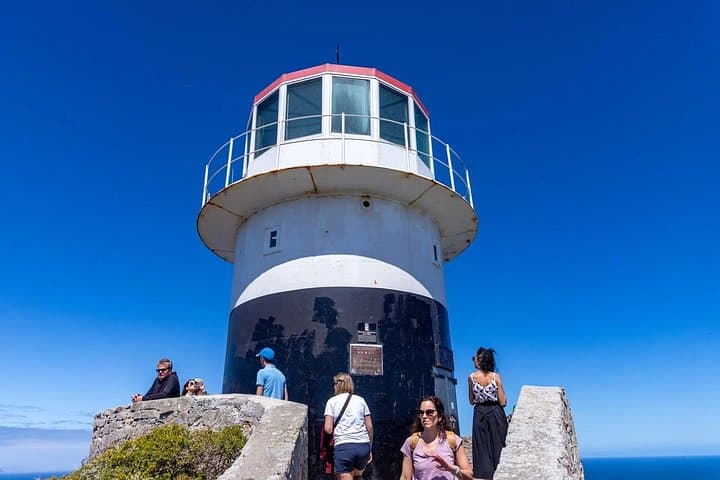
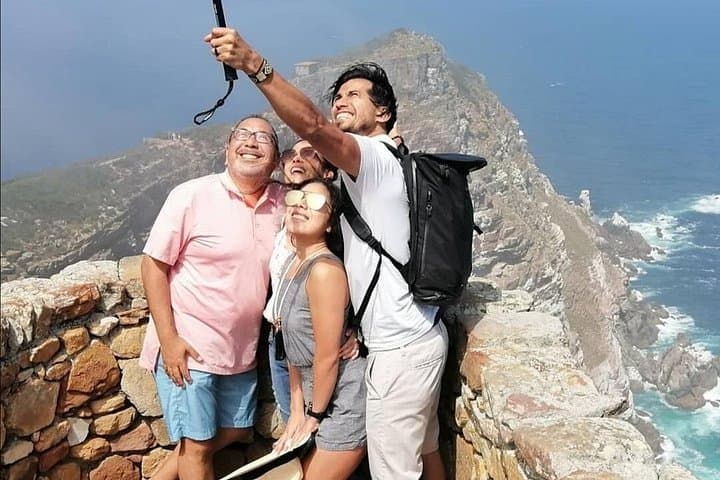
Cape Point and the Cape of Good Hope offer a different chapter—maritime history written in white lighthouses and shipwreck lore. The peninsula was a critical waypoint on the age of sail; the lighthouse’s black-and-white silhouette was as vital for navigation as the maps of the Dutch and British explorers who frequented these shores. Naturalists will note the mix of fynbos plant communities and endemic birds; keep an eye out for baboons along the headlands, and for the way the two oceans sculpt different moods into the coastline.
Practicalities are simple but matter. This private, full-day tour runs about eight hours with hotel or port pickup between 8:00–8:30 a.m.; arrivals should be ready by 7:50 a.m. Cable car admission is typically not included—buy tickets in advance in high season or choose a short walk if you prefer. Lunch is scheduled around Seaforth (or similar), with time to stretch legs and warm up against the wind. Wear sturdy shoes and layered clothing—the mountain can be cool and windy even when the city is mild. Bring sun protection, bottled water (provided, but useful to have extras), and a camera with charged batteries.
Respect local wildlife: stay on boardwalks at Boulders, don’t feed penguins, and keep cars locked when baboons are near. For photographers, aim for early morning light on Table Mountain and late afternoon at Cape Point when the cliffs burn amber. This route is ideal for travelers who want concentrated natural variety—mountain, coast, wildlife, and history—delivered in a single, well-paced day.
Cable car admission is typically not included—buy tickets in advance to skip lines or opt to hike up if you're prepared.
No—feeding or touching penguins is prohibited to protect their health and the colony; observe from the designated boardwalks.
Yes—this tour is stroller-accessible and offers infant seats, but parents should supervise closely around wildlife and cliffs.
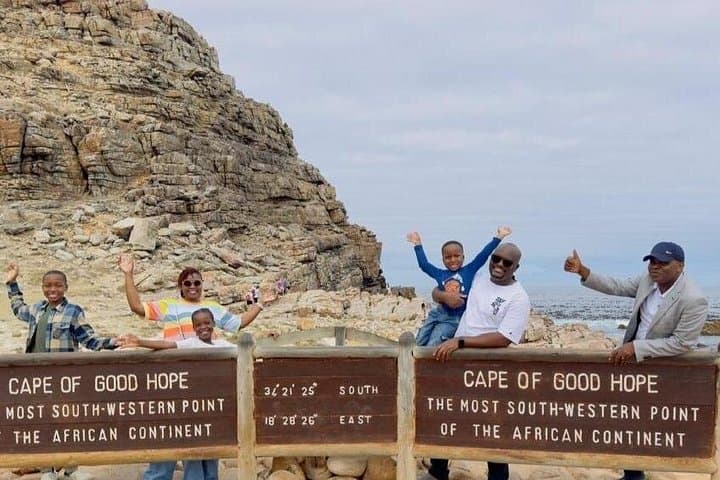
You will stand at the Cape of Good Hope and Cape Point where currents converge and the coastline changes character; the visual 'meeting' is dramatic but depends on tide and weather conditions.
Guides will point out wildlife from a safe distance; do not approach baboons or leave belongings unsecured in parking areas.
Full refund if you cancel at least 24 hours before departure; tours may be canceled for bad weather or insufficient travelers.
Florafricana Shuttle and Tours operates guided outdoor trips and adventures with an emphasis on safety, stewardship, and memorable experiences.
You step into the cable car as wind tugs at your jacket, and Cape Town unfurls beneath—a checkerboard of harbor, suburbs, and the dark sweep of Table Bay. The city feels both compact and immense from above, with the flat summit of Table Mountain holding court over the harbor like a weathered crown. That morning view sets the tone for a day that stitches together high granite ridges, sculpted coastal roadways, and a close-up with one of the world’s most photogenic penguin colonies.
You step into the cable car as wind tugs at your jacket, and Cape Town unfurls beneath—a checkerboard of harbor, suburbs, and the dark sweep of Table Bay. The city feels both compact and immense from above, with the flat summit of Table Mountain holding court over the harbor like a weathered crown. That morning view sets the tone for a day that stitches together high granite ridges, sculpted coastal roadways, and a close-up with one of the world’s most photogenic penguin colonies.
Geology explains some of the spectacle: Table Mountain’s ochre sandstone sits on much older Cape granite, the whole massif carved over millennia by wind and wave. Driving south along Chapman’s Peak, the cliffs press close to the road; the ocean dares you to keep your camera steady as currents push and tug at the base of the cliffs. By mid-day you’ll trade panoramic summits for the quieter, waddling world of Boulders Beach, where African penguins shuffle across sand and sun themselves on granite boulders.
Cape Point and the Cape of Good Hope offer a different chapter—maritime history written in white lighthouses and shipwreck lore. The peninsula was a critical waypoint on the age of sail; the lighthouse’s black-and-white silhouette was as vital for navigation as the maps of the Dutch and British explorers who frequented these shores. Naturalists will note the mix of fynbos plant communities and endemic birds; keep an eye out for baboons along the headlands, and for the way the two oceans sculpt different moods into the coastline.
Practicalities are simple but matter. This private, full-day tour runs about eight hours with hotel or port pickup between 8:00–8:30 a.m.; arrivals should be ready by 7:50 a.m. Cable car admission is typically not included—buy tickets in advance in high season or choose a short walk if you prefer. Lunch is scheduled around Seaforth (or similar), with time to stretch legs and warm up against the wind. Wear sturdy shoes and layered clothing—the mountain can be cool and windy even when the city is mild. Bring sun protection, bottled water (provided, but useful to have extras), and a camera with charged batteries.
Respect local wildlife: stay on boardwalks at Boulders, don’t feed penguins, and keep cars locked when baboons are near. For photographers, aim for early morning light on Table Mountain and late afternoon at Cape Point when the cliffs burn amber. This route is ideal for travelers who want concentrated natural variety—mountain, coast, wildlife, and history—delivered in a single, well-paced day.