THE ADVENTURE COLLECTIVE® · Independent discovery and booking for outdoor travel

Rise with the cable car, walk the Boomslang at Kirstenbosch, and taste 300 years of wine at Groot Constantia. This private full‑day tour packs geology, botany and wine into one accessible Cape Town itinerary.
Rise with the cable car, walk the Boomslang at Kirstenbosch, and taste 300 years of wine at Groot Constantia. This private full‑day tour packs geology, botany and wine into one accessible Cape Town itinerary.
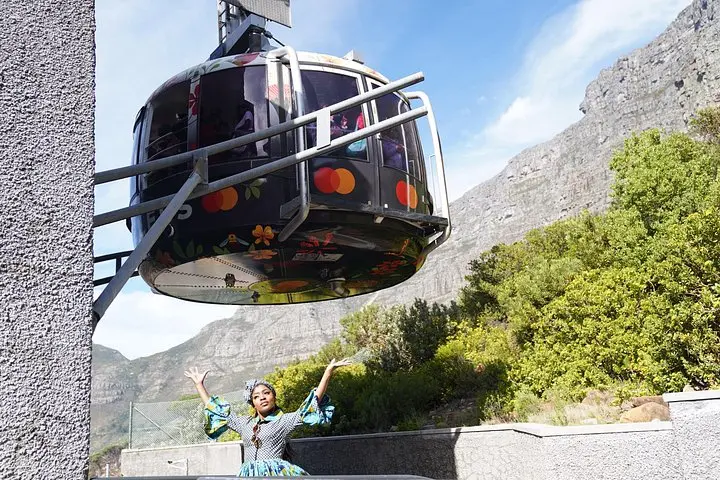
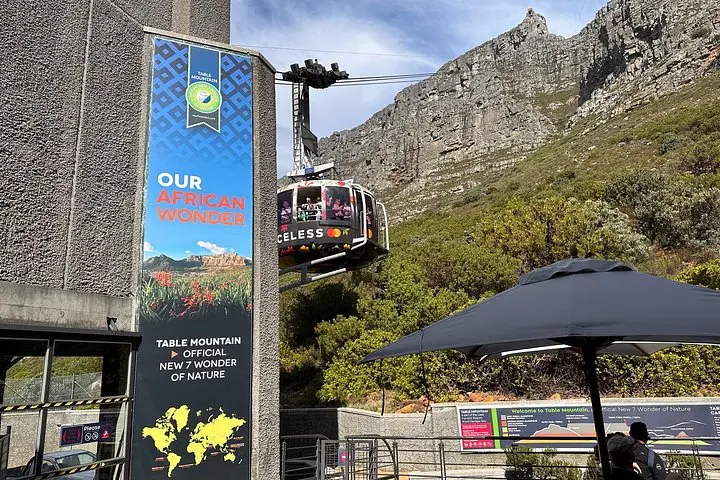
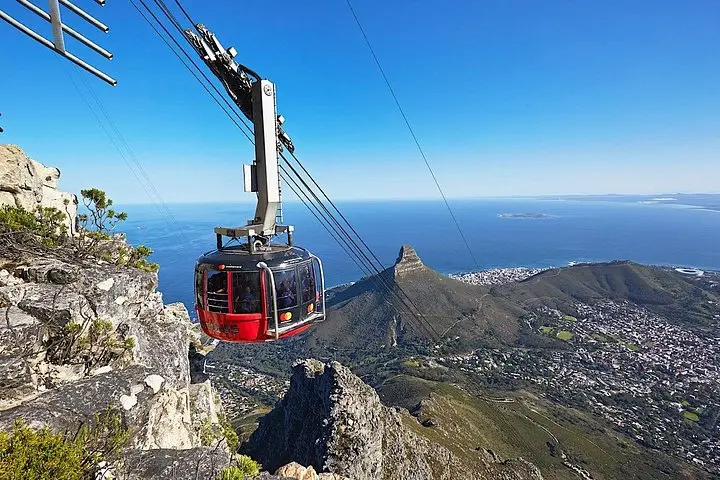
The morning opens on the mountain before the city does: low clouds peel away from Table Mountain’s flattop and the cable car hums like a kettle, lifting you above the harbor and the rush below. At the rim the wind has a personality—sharp enough to tuck the sea into itself, insistent enough to make you pull a layer tighter—yet the view arrests you: Cape Town spreads in a fan of city, sea and the long green ribs of the Cape Peninsula.
Verified experiences and guided adventures in the surrounding area.
Operated by Beyond Africa Safaris (Pty)Ltd · Cape Town, Western Cape
The morning opens on the mountain before the city does: low clouds peel away from Table Mountain’s flattop and the cable car hums like a kettle, lifting you above the harbor and the rush below. At the rim the wind has a personality—sharp enough to tuck the sea into itself, insistent enough to make you pull a layer tighter—yet the view arrests you: Cape Town spreads in a fan of city, sea and the long green ribs of the Cape Peninsula.
This private eight‑hour loop stitches together three of the Western Cape’s defining landscapes. Table Mountain, carved from 260‑million‑year‑old sandstone, is both geological monument and ecological treasure; its slopes host the Cape Floral Kingdom, the smallest but richest floral biome on Earth. From the summit you’ll descend to Kirstenbosch Botanical Gardens, created in 1913 to protect that same fynbos flora. Strolling along the Boomslang boardwalk, the gardens feel alive—shrubs tilt toward the light, and proteas seem to hold court.
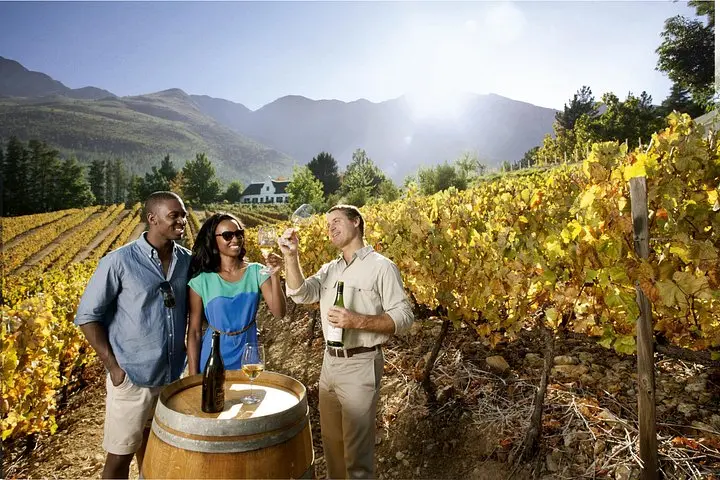
The final act is Groot Constantia, one of South Africa’s oldest wine estates dating to the late 17th century. Its Cape Dutch manor and terraced vineyards tell a colonial history of agriculture, trade and innovation. Tasting the estate’s wines is a practical way to read a landscape—chalky soils, maritime breezes and hot inland afternoons are all in the glass.
Practicalities are straightforward. The tour runs roughly 8 hours with hotel pickup in Cape Town; allow 15–30 minutes each between stops for traffic. Cable car tickets are not included—prebook your Table Mountain timeslot online to avoid queues and the disappointment of wind‑related closures. Kirstenbosch is largely flat with some boardwalks and gravel paths; Groot Constantia has cellar tours and restaurant lunches (own expense). The tour is wheelchair accessible and suitable for most fitness levels, but plan for walking and stairs at viewpoints and wineries.
Timing, clothing and packing matter. Cape Town’s weather switches fast—layers, a windbreaker and sturdy walking shoes will keep you comfortable. Bring sunscreen, a refillable water bottle, and a camera with a wide lens for summit panoramas and vineyard rows. If you intend to taste, carry a card or cash; many estates charge for wine tastings and cellar tours.
For travelers wanting a concentrated day of topography, botany and terroir, this private itinerary does the work of a week—elevating you above the city, through a living garden of endemic plants, and into cellars that have been making wine for centuries. It’s a compact, sensory course in what makes Cape Town different: the rocks that shaped it, the plants that clothe it, and the vines that have quietly put it on the map.
No—cable car tickets are excluded; book online in advance to secure your preferred time and avoid queues or wind closures.
Yes—hotel pickup and drop‑off within Cape Town are included; specify your pickup point when booking.
No—wine tasting fees, meals and drinks are at your own expense; restaurants at Kirstenbosch and Groot Constantia accept cards and cash.
The operator lists the tour as wheelchair accessible, but some viewpoints and cellar areas may have steps—confirm specific accessibility needs in advance.
The tour operates in most weather; however Table Mountain cableway can close in high winds—rescheduling or refunds for cableway issues depend on the operator’s policy.
This private option accommodates up to six people per booking, offering a more personalized experience.
Beyond Africa Safaris (Pty)Ltd operates guided outdoor trips and adventures with an emphasis on safety, stewardship, and memorable experiences.
The morning opens on the mountain before the city does: low clouds peel away from Table Mountain’s flattop and the cable car hums like a kettle, lifting you above the harbor and the rush below. At the rim the wind has a personality—sharp enough to tuck the sea into itself, insistent enough to make you pull a layer tighter—yet the view arrests you: Cape Town spreads in a fan of city, sea and the long green ribs of the Cape Peninsula.
The morning opens on the mountain before the city does: low clouds peel away from Table Mountain’s flattop and the cable car hums like a kettle, lifting you above the harbor and the rush below. At the rim the wind has a personality—sharp enough to tuck the sea into itself, insistent enough to make you pull a layer tighter—yet the view arrests you: Cape Town spreads in a fan of city, sea and the long green ribs of the Cape Peninsula.
This private eight‑hour loop stitches together three of the Western Cape’s defining landscapes. Table Mountain, carved from 260‑million‑year‑old sandstone, is both geological monument and ecological treasure; its slopes host the Cape Floral Kingdom, the smallest but richest floral biome on Earth. From the summit you’ll descend to Kirstenbosch Botanical Gardens, created in 1913 to protect that same fynbos flora. Strolling along the Boomslang boardwalk, the gardens feel alive—shrubs tilt toward the light, and proteas seem to hold court.
The final act is Groot Constantia, one of South Africa’s oldest wine estates dating to the late 17th century. Its Cape Dutch manor and terraced vineyards tell a colonial history of agriculture, trade and innovation. Tasting the estate’s wines is a practical way to read a landscape—chalky soils, maritime breezes and hot inland afternoons are all in the glass.
Practicalities are straightforward. The tour runs roughly 8 hours with hotel pickup in Cape Town; allow 15–30 minutes each between stops for traffic. Cable car tickets are not included—prebook your Table Mountain timeslot online to avoid queues and the disappointment of wind‑related closures. Kirstenbosch is largely flat with some boardwalks and gravel paths; Groot Constantia has cellar tours and restaurant lunches (own expense). The tour is wheelchair accessible and suitable for most fitness levels, but plan for walking and stairs at viewpoints and wineries.
Timing, clothing and packing matter. Cape Town’s weather switches fast—layers, a windbreaker and sturdy walking shoes will keep you comfortable. Bring sunscreen, a refillable water bottle, and a camera with a wide lens for summit panoramas and vineyard rows. If you intend to taste, carry a card or cash; many estates charge for wine tastings and cellar tours.
For travelers wanting a concentrated day of topography, botany and terroir, this private itinerary does the work of a week—elevating you above the city, through a living garden of endemic plants, and into cellars that have been making wine for centuries. It’s a compact, sensory course in what makes Cape Town different: the rocks that shaped it, the plants that clothe it, and the vines that have quietly put it on the map.