THE ADVENTURE COLLECTIVE® · Independent discovery and booking for outdoor travel

Explore Tacama’s centuries-old winery, an artisanal bodega, and the Luchys Pisco Museum in a single four-hour outing that mixes tasting, history, and a hands-on Pisco Sour class. Learn what to expect and how to prepare for the valley’s heat and gravel paths.
Explore Tacama’s centuries-old winery, an artisanal bodega, and the Luchys Pisco Museum in a single four-hour outing that mixes tasting, history, and a hands-on Pisco Sour class. Learn what to expect and how to prepare for the valley’s heat and gravel paths.
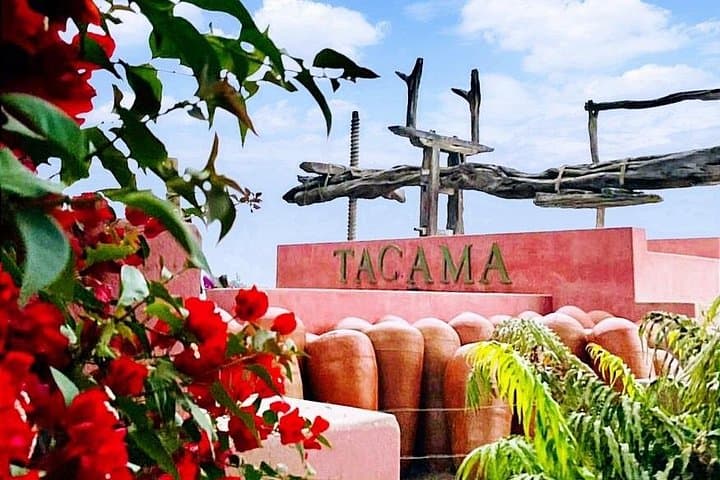
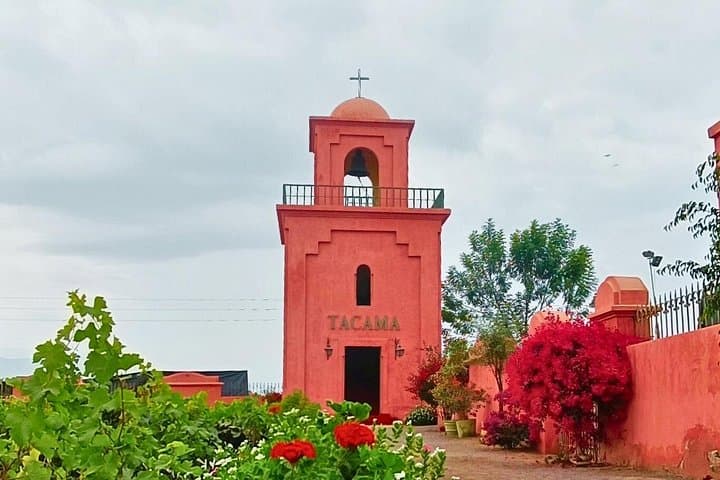
You arrive under a desert sun, the road trading sand for rows of low vines. Vines lean into the wind as the Tacama estate appears — stone buildings, courtyards, and barrels that have watched centuries pass. The air tastes faintly of grape and brine; nearby birds haggle over discarded skins while the valley pushes heat toward the Andes.
Verified experiences and guided adventures in the surrounding area.
Operated by Guia2 Perú · Ica, Ica
You arrive under a desert sun, the road trading sand for rows of low vines. Vines lean into the wind as the Tacama estate appears — stone buildings, courtyards, and barrels that have watched centuries pass. The air tastes faintly of grape and brine; nearby birds haggle over discarded skins while the valley pushes heat toward the Andes.
Tacama is one of Peru’s historical wineries, with roots in colonial-era viticulture that shaped Ica’s agricultural identity. Nearby, Luchys Country House interprets pisco production with an artisanal touch: copper stills, toasted cane, and the sharp citrus of a freshly mixed Pisco Sour. Geology here matters — the Ica valley’s alluvial soils and arid climate concentrate sugars, making bold table wines and fragrant piscos. Local culture mixes Spanish winemaking techniques with criollo adaptations; tastings become short lessons in colonial trade, plant acclimatization, and modern sustainability efforts.
Practical side: the combined tour runs about four hours and includes tastings at Tacama, a visit to an artisanal bodega, and the Luchys pisco museum with a hands-on Pisco Sour class. Expect light walking on uneven stone floors and dusty paths; bring sun protection, a reusable bottle, and shoes that can handle gravel. Tastings are portioned for sampling—food pairings may be minimal—so plan a meal in Ica afterward or book transport that returns you to town. Book in the morning to avoid peak heat and to catch the winery in the soft light that makes old wood and copper glow.
The combined Tacama winery, artisanal bodega, and pisco museum tour runs about four hours total.
Yes — tastings at Tacama and Luchys are included, plus a Pisco Sour class with inputs provided.
The tour lists air-conditioned vehicle transport as included; confirm pickup point when booking.
The activity is rated easy, but wineries have steps and uneven surfaces—contact the operator about accessibility and child policy.
Guia2 Perú operates guided outdoor trips and adventures with an emphasis on safety, stewardship, and memorable experiences.


You arrive under a desert sun, the road trading sand for rows of low vines. Vines lean into the wind as the Tacama estate appears — stone buildings, courtyards, and barrels that have watched centuries pass. The air tastes faintly of grape and brine; nearby birds haggle over discarded skins while the valley pushes heat toward the Andes.
You arrive under a desert sun, the road trading sand for rows of low vines. Vines lean into the wind as the Tacama estate appears — stone buildings, courtyards, and barrels that have watched centuries pass. The air tastes faintly of grape and brine; nearby birds haggle over discarded skins while the valley pushes heat toward the Andes.
Tacama is one of Peru’s historical wineries, with roots in colonial-era viticulture that shaped Ica’s agricultural identity. Nearby, Luchys Country House interprets pisco production with an artisanal touch: copper stills, toasted cane, and the sharp citrus of a freshly mixed Pisco Sour. Geology here matters — the Ica valley’s alluvial soils and arid climate concentrate sugars, making bold table wines and fragrant piscos. Local culture mixes Spanish winemaking techniques with criollo adaptations; tastings become short lessons in colonial trade, plant acclimatization, and modern sustainability efforts.
Practical side: the combined tour runs about four hours and includes tastings at Tacama, a visit to an artisanal bodega, and the Luchys pisco museum with a hands-on Pisco Sour class. Expect light walking on uneven stone floors and dusty paths; bring sun protection, a reusable bottle, and shoes that can handle gravel. Tastings are portioned for sampling—food pairings may be minimal—so plan a meal in Ica afterward or book transport that returns you to town. Book in the morning to avoid peak heat and to catch the winery in the soft light that makes old wood and copper glow.