THE ADVENTURE COLLECTIVE® · Independent discovery and booking for outdoor travel

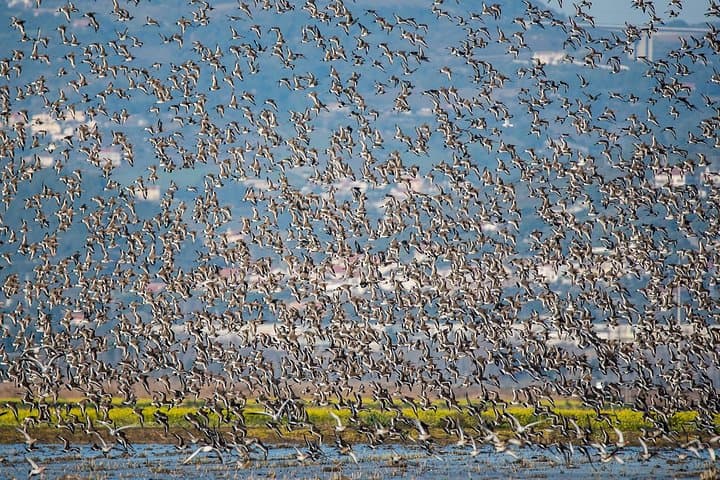
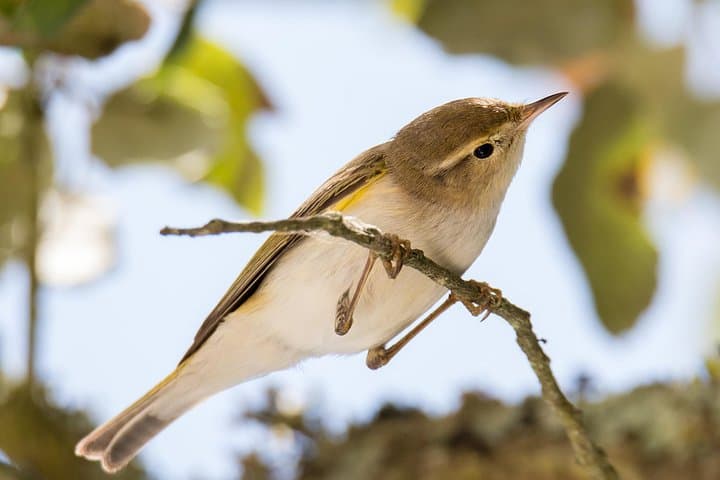
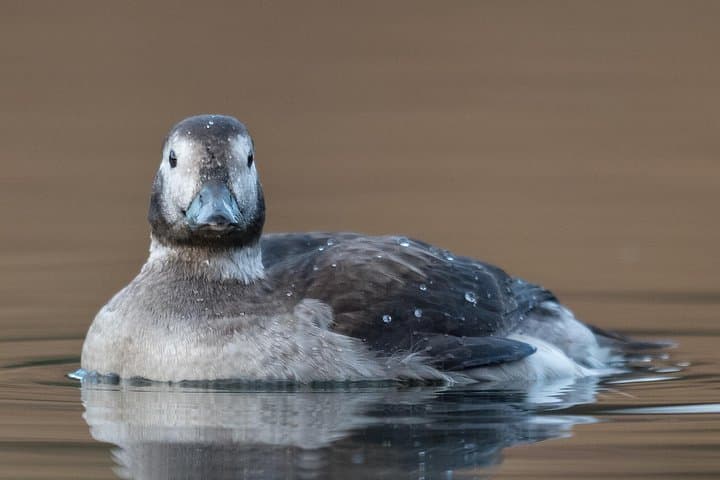
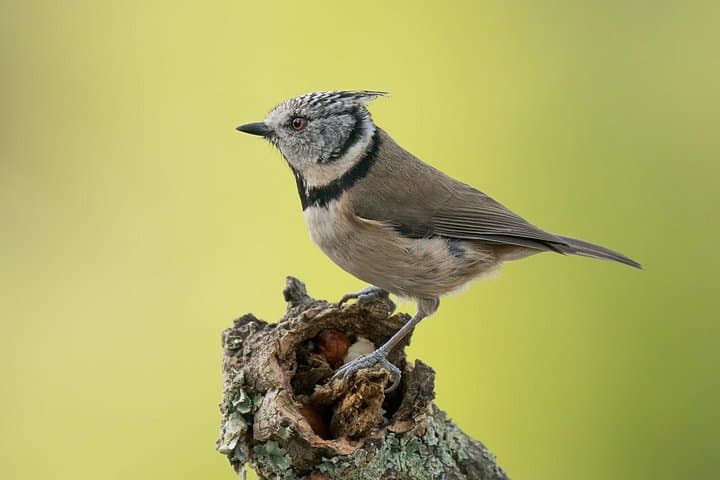
A private full‑day birding tour from Lisbon into the Tagus Estuary’s reedbeds, saltpans and mudflats. Expect winter concentrations of waders, summer breeding passerines and close-up views from hides with expert local guides.
A private full‑day birding tour from Lisbon into the Tagus Estuary’s reedbeds, saltpans and mudflats. Expect winter concentrations of waders, summer breeding passerines and close-up views from hides with expert local guides.
You step out of an air‑conditioned vehicle and the estuary opens: wide mudflats gleam, reeds sway, and a scattering of flamingo pink punctuates the saltpan horizon.
Verified experiences and guided adventures in the surrounding area.
Operated by Portugal Birding · Lisbon, Lisbon District
You step out of an air‑conditioned vehicle and the estuary opens: wide mudflats gleam, reeds sway, and a scattering of flamingo pink punctuates the saltpan horizon.
The Tagus Estuary (Estuário do Tejo) has long been shaped by the push and pull of sea and farm — saltworks, cork oaks and pasturelands create a mosaic that supports hundreds of bird species. Geologically the basin is a broad tidal plain where the river meets the Atlantic, producing extensive mudflats and reedbeds that concentrate food for waders and waterfowl.
Local communities have harvested salt and fished these waters for centuries; today the estuary’s culture balances small‑scale agriculture with conservation. Guides from Portugal Birding know the seasonal rhythms here: winter brings massing waders and ducks, while spring and summer introduce breeding passerines in the marsh fringes and raptors riding thermal lines above pastoral slopes.
Expect a full‑day, private excursion with short walks from observation hides, vehicle transfers between viewing points, and stretches of roadside glassing. Terrain is flat but uneven in places—muddy tracks and boardwalks are common. Bring binoculars or a spotting scope, dress in layers for coastal wind and sun, and pack water and sun protection. Keep voices low near roosts and follow your guide’s distance recommendations; high tides and weather change where birds concentrate, so flexibility makes for the best sightings. This tour is straightforward for most fitness levels but rich in birdlife, photographic opportunities, and on‑the‑ground insights into how a working landscape and wildlife coexist.
Yes — private air‑conditioned transportation is included; you’ll confirm a pickup point when booking.
The full‑day experience runs about 8–12 hours total; the stated duration includes driving between Lisbon and the estuary.
Over 250 bird species frequent the estuary seasonally — Greater Flamingo, Bonelli’s Eagle, waders and wintering waterfowl are common highlights.
The tour is suitable for most ages and fitness levels but is not recommended for pregnant travellers; check provider guidance for specific needs.
Portugal Birding operates guided outdoor trips and adventures with an emphasis on safety, stewardship, and memorable experiences.
You step out of an air‑conditioned vehicle and the estuary opens: wide mudflats gleam, reeds sway, and a scattering of flamingo pink punctuates the saltpan horizon.
You step out of an air‑conditioned vehicle and the estuary opens: wide mudflats gleam, reeds sway, and a scattering of flamingo pink punctuates the saltpan horizon.
The Tagus Estuary (Estuário do Tejo) has long been shaped by the push and pull of sea and farm — saltworks, cork oaks and pasturelands create a mosaic that supports hundreds of bird species. Geologically the basin is a broad tidal plain where the river meets the Atlantic, producing extensive mudflats and reedbeds that concentrate food for waders and waterfowl.
Local communities have harvested salt and fished these waters for centuries; today the estuary’s culture balances small‑scale agriculture with conservation. Guides from Portugal Birding know the seasonal rhythms here: winter brings massing waders and ducks, while spring and summer introduce breeding passerines in the marsh fringes and raptors riding thermal lines above pastoral slopes.
Expect a full‑day, private excursion with short walks from observation hides, vehicle transfers between viewing points, and stretches of roadside glassing. Terrain is flat but uneven in places—muddy tracks and boardwalks are common. Bring binoculars or a spotting scope, dress in layers for coastal wind and sun, and pack water and sun protection. Keep voices low near roosts and follow your guide’s distance recommendations; high tides and weather change where birds concentrate, so flexibility makes for the best sightings. This tour is straightforward for most fitness levels but rich in birdlife, photographic opportunities, and on‑the‑ground insights into how a working landscape and wildlife coexist.