THE ADVENTURE COLLECTIVE® · Independent discovery and booking for outdoor travel

Follow a five-hour guided loop up Tai Mo Shan to Ng Tung Chai’s series of cascades, ending at Hong Kong’s tallest waterfall. Expect steep, wet trails, village passages, and cool forest air—ideal for hikers with moderate fitness.
Follow a five-hour guided loop up Tai Mo Shan to Ng Tung Chai’s series of cascades, ending at Hong Kong’s tallest waterfall. Expect steep, wet trails, village passages, and cool forest air—ideal for hikers with moderate fitness.
Fog clings to the slopes as the trail climbs away from the last village; a narrow track threads through broadleaf forest and bamboo, and the sound of water grows until it commands attention. Hikers move past terraced fields and a small temple, then step into the gorge where a chain of cascades—Ng Tung Chai—cuts into Tai Mo Shan’s northern flank. The final drop, Hong Kong’s tallest, announces itself with a spray that cools the air and sharpens the senses.
Verified experiences and guided adventures in the surrounding area.
Operated by Rory Mackay · Tsuen Wan, New Territories
Fog clings to the slopes as the trail climbs away from the last village; a narrow track threads through broadleaf forest and bamboo, and the sound of water grows until it commands attention. Hikers move past terraced fields and a small temple, then step into the gorge where a chain of cascades—Ng Tung Chai—cuts into Tai Mo Shan’s northern flank. The final drop, Hong Kong’s tallest, announces itself with a spray that cools the air and sharpens the senses.
The route follows old cart tracks and footpaths long used by villagers and herbal-gatherers; geologically the area is granitic high ground carved by seasonal streams that deepen channels during monsoon months. Culturally, the northern New Territories blends Hakka and Cantonese village life—small shrines, stone walls and farming terraces reflect that history.
Expect steep sections, rock steps and short scramble bits near the lower falls; the terrain alternates between packed earth, loose scree and stone slabs. Wildlife is discreet but present—bulbous dragonflies patrol pools and macaques sometimes watch from the canopy. Guides typically lead a 5-hour loop with transport to and from the trailhead.
Practical guidance: start early to avoid midday heat and weekend crowds, wear grippy boots for wet stone, and pack a waterproof jacket—storms can arrive fast. Bring at least 2 liters of water, snacks, and a basic first-aid kit; a headlamp is useful if your return runs late. The trail is rewarding for hikers with moderate fitness who are comfortable with sustained climbs and uneven terrain. Respect village property, carry out waste, and be prepared to reroute if authorities close sections during extreme weather.
Most tours provide air-conditioned minivan transport from central Hong Kong; independent hikers can reach the starting villages by MTR and local bus or taxi, then follow marked footpaths.
Children used to hiking can do the lower falls, but the full loop includes steep descents and stream crossings that may be challenging for young kids.
Basic facilities exist in nearby villages, but not along the upper gorge—carry snacks and toilet paper and use village facilities before heading in.
Autumn and spring offer stable weather and clearer views; summer has heat and heavy rain, while winter is cooler but can be foggy on the summit.
Rory Mackay operates guided outdoor trips and adventures with an emphasis on safety, stewardship, and memorable experiences.
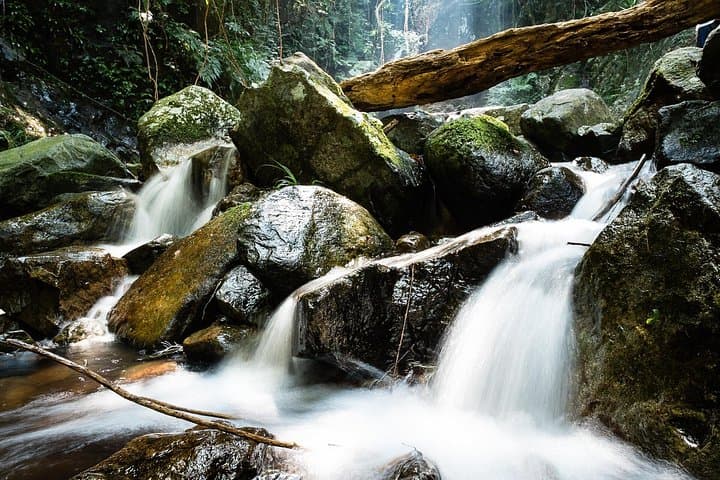
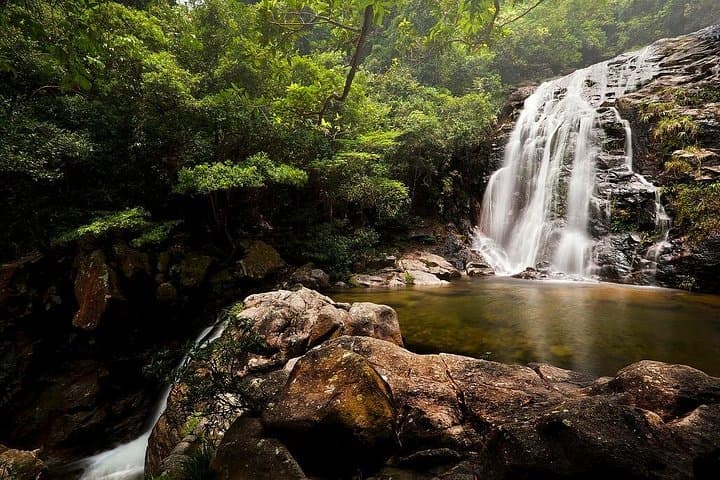
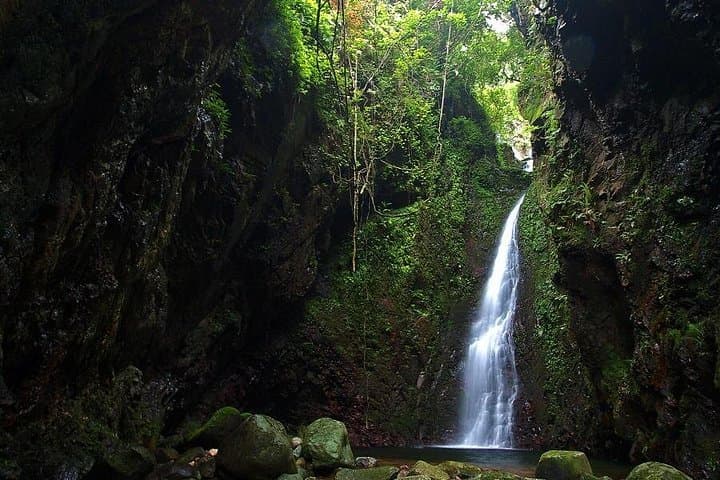
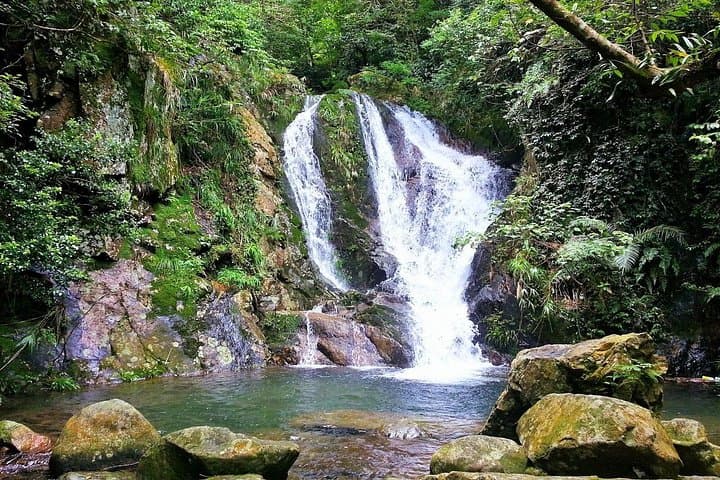
Fog clings to the slopes as the trail climbs away from the last village; a narrow track threads through broadleaf forest and bamboo, and the sound of water grows until it commands attention. Hikers move past terraced fields and a small temple, then step into the gorge where a chain of cascades—Ng Tung Chai—cuts into Tai Mo Shan’s northern flank. The final drop, Hong Kong’s tallest, announces itself with a spray that cools the air and sharpens the senses.
Fog clings to the slopes as the trail climbs away from the last village; a narrow track threads through broadleaf forest and bamboo, and the sound of water grows until it commands attention. Hikers move past terraced fields and a small temple, then step into the gorge where a chain of cascades—Ng Tung Chai—cuts into Tai Mo Shan’s northern flank. The final drop, Hong Kong’s tallest, announces itself with a spray that cools the air and sharpens the senses.
The route follows old cart tracks and footpaths long used by villagers and herbal-gatherers; geologically the area is granitic high ground carved by seasonal streams that deepen channels during monsoon months. Culturally, the northern New Territories blends Hakka and Cantonese village life—small shrines, stone walls and farming terraces reflect that history.
Expect steep sections, rock steps and short scramble bits near the lower falls; the terrain alternates between packed earth, loose scree and stone slabs. Wildlife is discreet but present—bulbous dragonflies patrol pools and macaques sometimes watch from the canopy. Guides typically lead a 5-hour loop with transport to and from the trailhead.
Practical guidance: start early to avoid midday heat and weekend crowds, wear grippy boots for wet stone, and pack a waterproof jacket—storms can arrive fast. Bring at least 2 liters of water, snacks, and a basic first-aid kit; a headlamp is useful if your return runs late. The trail is rewarding for hikers with moderate fitness who are comfortable with sustained climbs and uneven terrain. Respect village property, carry out waste, and be prepared to reroute if authorities close sections during extreme weather.