THE ADVENTURE COLLECTIVE® · Independent discovery and booking for outdoor travel

Ride through ten tunnels and over 12 viaducts on the Taieri Gorge Railway, a 4–5 hour scenic loop from Dunedin to Pukerangi. Expect live commentary, engineering landmarks like the Wingatui Viaduct, and panoramic views of Otago’s carved river country.
Ride through ten tunnels and over 12 viaducts on the Taieri Gorge Railway, a 4–5 hour scenic loop from Dunedin to Pukerangi. Expect live commentary, engineering landmarks like the Wingatui Viaduct, and panoramic views of Otago’s carved river country.
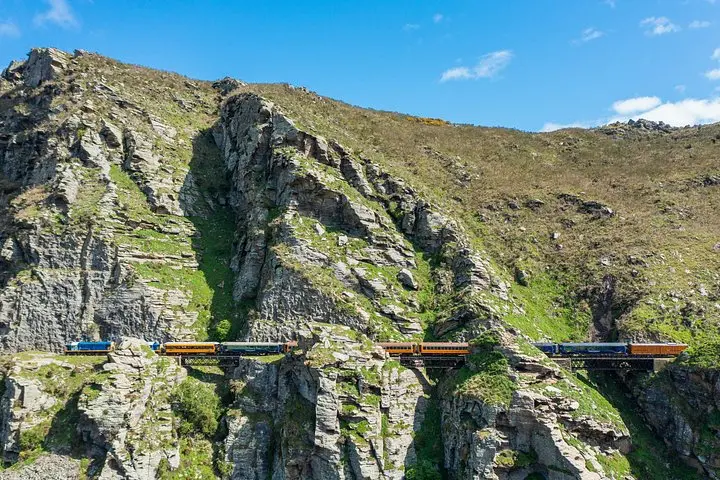
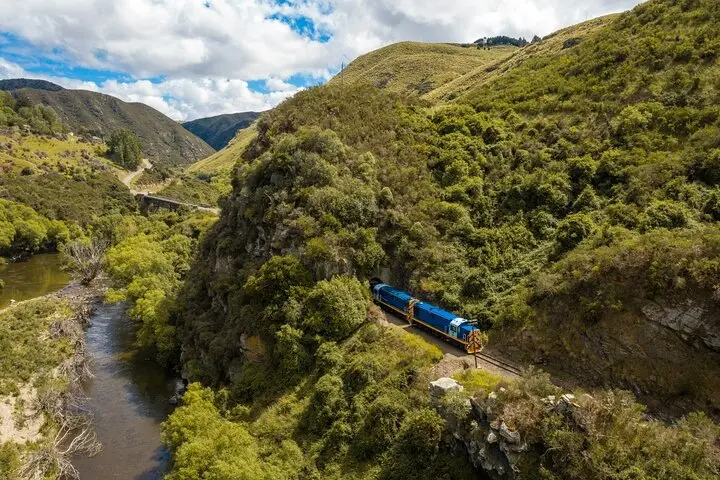
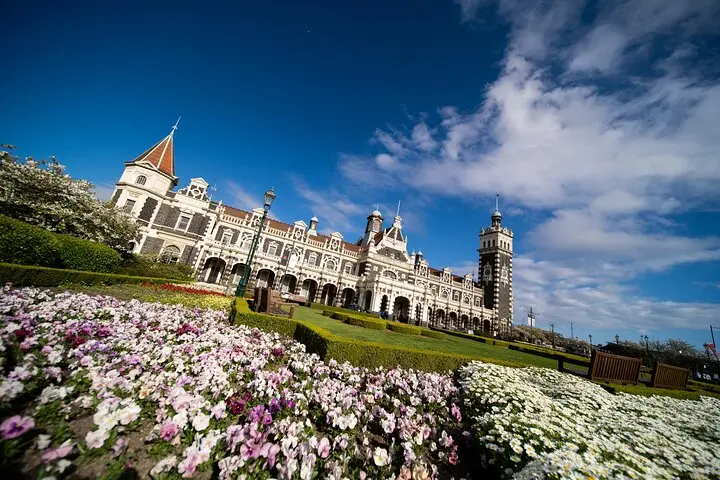
Steam and diesel chatter fade against the chorus of gulls as the Taieri Gorge train eases out of Dunedin Railway Station. Passengers shift toward the windows; the platform’s tiled hall recedes and farmland opens, then narrows as the carriage threads ten hand-carved tunnels and climbs toward the rim of the Taieri Gorge.
Verified experiences and guided adventures in the surrounding area.
Operated by Taieri Gorge Railway LImited · Dunedin, Otago
Steam and diesel chatter fade against the chorus of gulls as the Taieri Gorge train eases out of Dunedin Railway Station. Passengers shift toward the windows; the platform’s tiled hall recedes and farmland opens, then narrows as the carriage threads ten hand-carved tunnels and climbs toward the rim of the Taieri Gorge.
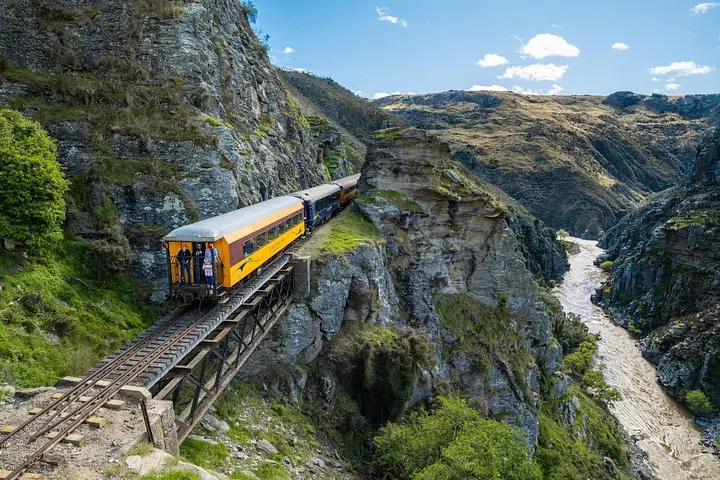
The gorge itself is a carved story of schist and river: the Taieri River has sliced deep into Otago’s volcanic and metamorphic rocks over millennia, leaving steep cliffs, terraces and the ironwork of 19th-century rail engineering. The Wingatui Viaduct — a wrought-iron span that dominates the route — and the line’s tunnels are reminders of the ambition of early rail builders who stitched remote stations together to serve goldfields and sheep country.
Culturally, the journey connects Dunedin’s Victorian urbanity to rural Otago: sheep runs, remnant native scrub and small settlements pass by while onboard commentary ties landscape to local history and rail lore. Birdsong and open sky feel almost theatrical from the carriage; you’ll spot river bends daring you to follow them downstream.
Practicalities are straightforward: trains depart from Dunedin Railway Station (arrive 30 minutes early), the standard Pukerangi run is roughly 4–5 hours round-trip, and seating is allocated. Dress for all-weather exposure—the carriage is comfortable, but photo stops and station platforms are exposed. Mobility is generally friendly but check in advance for wheelchair needs. Bring a camera, layers, and cashless payment for the onboard café. Whether you’re after engineering history, river geology or simply unbroken rural vistas, the Taieri Gorge train is a slow, reliable way to read Otago’s landscape.
The standard Pukerangi return is approximately 4–5 hours total; Middlemarch services run around six hours return.
Small luggage is fine; space on board is limited—contact the operator ahead for bulky items or stroller storage and accessibility needs.
Yes—children 14 and under must be accompanied by an adult. The ride is seated and family-friendly, but passengers with serious cardiovascular issues should consult a doctor before booking.
Yes—there’s an onboard café/bar offering snacks and drinks, and staff accept cashless payment; consider bringing water for long stretches between stops.
Taieri Gorge Railway LImited operates guided outdoor trips and adventures with an emphasis on safety, stewardship, and memorable experiences.
Steam and diesel chatter fade against the chorus of gulls as the Taieri Gorge train eases out of Dunedin Railway Station. Passengers shift toward the windows; the platform’s tiled hall recedes and farmland opens, then narrows as the carriage threads ten hand-carved tunnels and climbs toward the rim of the Taieri Gorge.
Steam and diesel chatter fade against the chorus of gulls as the Taieri Gorge train eases out of Dunedin Railway Station. Passengers shift toward the windows; the platform’s tiled hall recedes and farmland opens, then narrows as the carriage threads ten hand-carved tunnels and climbs toward the rim of the Taieri Gorge.
The gorge itself is a carved story of schist and river: the Taieri River has sliced deep into Otago’s volcanic and metamorphic rocks over millennia, leaving steep cliffs, terraces and the ironwork of 19th-century rail engineering. The Wingatui Viaduct — a wrought-iron span that dominates the route — and the line’s tunnels are reminders of the ambition of early rail builders who stitched remote stations together to serve goldfields and sheep country.
Culturally, the journey connects Dunedin’s Victorian urbanity to rural Otago: sheep runs, remnant native scrub and small settlements pass by while onboard commentary ties landscape to local history and rail lore. Birdsong and open sky feel almost theatrical from the carriage; you’ll spot river bends daring you to follow them downstream.
Practicalities are straightforward: trains depart from Dunedin Railway Station (arrive 30 minutes early), the standard Pukerangi run is roughly 4–5 hours round-trip, and seating is allocated. Dress for all-weather exposure—the carriage is comfortable, but photo stops and station platforms are exposed. Mobility is generally friendly but check in advance for wheelchair needs. Bring a camera, layers, and cashless payment for the onboard café. Whether you’re after engineering history, river geology or simply unbroken rural vistas, the Taieri Gorge train is a slow, reliable way to read Otago’s landscape.