THE ADVENTURE COLLECTIVE® · Independent discovery and booking for outdoor travel

Explore Tainan’s coastal and colonial heritage on a full-day loop from Qigu Salt Mountain to Anping Fort. Expect white salt ridges, tile-paved pans, red-brick courtyards, and easy walking with excellent photo ops.
Explore Tainan’s coastal and colonial heritage on a full-day loop from Qigu Salt Mountain to Anping Fort. Expect white salt ridges, tile-paved pans, red-brick courtyards, and easy walking with excellent photo ops.
You step off the van into a low, saline wind and the landscape seems to change its vocabulary—white ridges rise like man-made dunes, gulls wheel above shallow pans that glitter like spread salt. Qigu Salt Mountain greets you first: raw, geometric, and oddly quiet, an industrial terrain that still remembers the rhythm of wooden rakes and sun-baked tiles.
Verified experiences and guided adventures in the surrounding area.
Operated by TREVOPEDIA · Tainan, Tainan City
You step off the van into a low, saline wind and the landscape seems to change its vocabulary—white ridges rise like man-made dunes, gulls wheel above shallow pans that glitter like spread salt. Qigu Salt Mountain greets you first: raw, geometric, and oddly quiet, an industrial terrain that still remembers the rhythm of wooden rakes and sun-baked tiles.
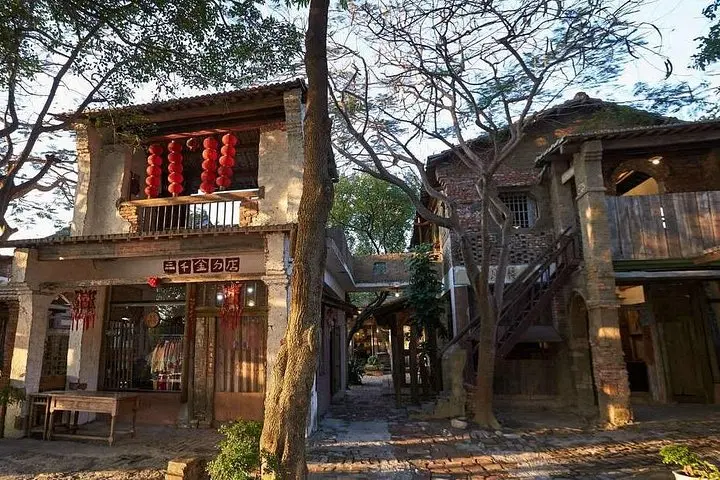
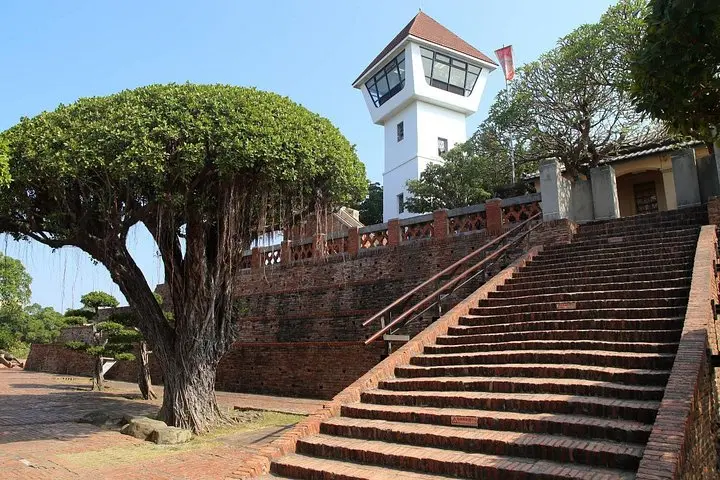
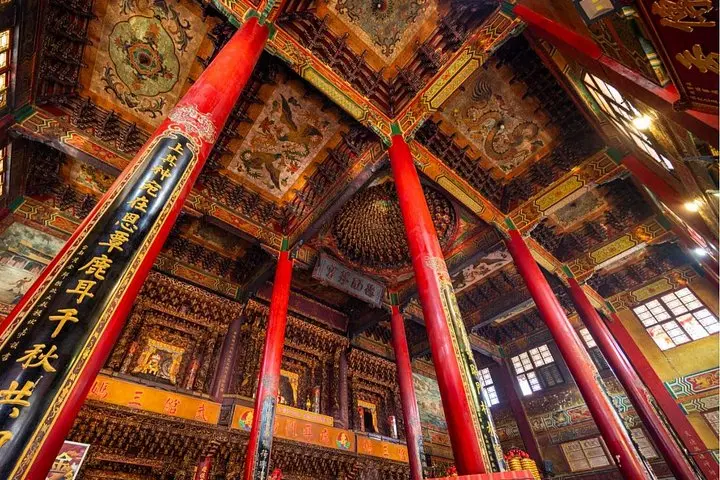
Tainan’s coast and courtyards carry layered histories. The Jingzaijiao tile-paved salt fields show a vernacular ingenuity—clay tiles laid for evaporation and collection—while Anping Fort and Chihkan Tower place you squarely in the 17th-century collision of Dutch traders, Ming loyalists, and local communities. Luermenma Temple’s carved beams and incense smoke speak to maritime culture and Mazu’s enduring presence in fishermen’s prayers.
Geology here is coastal plain: shallow tidal flats, reclaimed salt pans, and sandy soils that host mangrove fringes. Cultural life centers on markets and craft—Anping’s old streets pair seafood stalls with preserved warehouses.
Practical guide: this is a full-day, mostly low-impact walking tour lasting about 8–9 hours including transport. Wear sturdy walking shoes for uneven salt-field paths and cobbles, bring sun protection and a refillable bottle—the sun on the salt is intense. Timing matters: mornings offer softer light on the pans and cooler air; late afternoon brings long shadows across brick courtyards. Most sites are accessible, but surfaces can be uneven; allow extra time for photography and snack stops at Anping Old Street. Expect interpretive exhibits at the salt works and straightforward museum displays at Chihkan Tower. For a balanced day, combine the salt landscapes with Anping’s coastal views and a stroll through temple-lined lanes—this is history you can walk through and a coast that still pushes you toward the sea.
The tour runs about 8–9 hours and includes guided visits to Qigu Salt Mountain, Jingzaijiao tile-paved fields, Chihkan Tower, Anping Fort, and several cultural stops; transportation is provided.
Many areas and vehicles are wheelchair accessible, but some historic courtyards and salt-field paths are uneven—check ahead for specific mobility needs.
Admissions are not always included; some museums and forts may have separate entry fees—confirm at booking or bring local currency for incidental tickets.
Guiding language varies by operator; larger tours often offer Mandarin and English—confirm language availability when booking.
TREVOPEDIA operates guided outdoor trips and adventures with an emphasis on safety, stewardship, and memorable experiences.

You step off the van into a low, saline wind and the landscape seems to change its vocabulary—white ridges rise like man-made dunes, gulls wheel above shallow pans that glitter like spread salt. Qigu Salt Mountain greets you first: raw, geometric, and oddly quiet, an industrial terrain that still remembers the rhythm of wooden rakes and sun-baked tiles.
You step off the van into a low, saline wind and the landscape seems to change its vocabulary—white ridges rise like man-made dunes, gulls wheel above shallow pans that glitter like spread salt. Qigu Salt Mountain greets you first: raw, geometric, and oddly quiet, an industrial terrain that still remembers the rhythm of wooden rakes and sun-baked tiles.
Tainan’s coast and courtyards carry layered histories. The Jingzaijiao tile-paved salt fields show a vernacular ingenuity—clay tiles laid for evaporation and collection—while Anping Fort and Chihkan Tower place you squarely in the 17th-century collision of Dutch traders, Ming loyalists, and local communities. Luermenma Temple’s carved beams and incense smoke speak to maritime culture and Mazu’s enduring presence in fishermen’s prayers.
Geology here is coastal plain: shallow tidal flats, reclaimed salt pans, and sandy soils that host mangrove fringes. Cultural life centers on markets and craft—Anping’s old streets pair seafood stalls with preserved warehouses.
Practical guide: this is a full-day, mostly low-impact walking tour lasting about 8–9 hours including transport. Wear sturdy walking shoes for uneven salt-field paths and cobbles, bring sun protection and a refillable bottle—the sun on the salt is intense. Timing matters: mornings offer softer light on the pans and cooler air; late afternoon brings long shadows across brick courtyards. Most sites are accessible, but surfaces can be uneven; allow extra time for photography and snack stops at Anping Old Street. Expect interpretive exhibits at the salt works and straightforward museum displays at Chihkan Tower. For a balanced day, combine the salt landscapes with Anping’s coastal views and a stroll through temple-lined lanes—this is history you can walk through and a coast that still pushes you toward the sea.