THE ADVENTURE COLLECTIVE® · Independent discovery and booking for outdoor travel

Ride the elevator to 460 meters and see Taipei spread beneath a sweep of mountains and neon. This Taipei 101 Skyline 460 visit pairs guided exhibits with timed sunrise, sunset and stargazing options — plan for weather, haze, and timed entry.
Ride the elevator to 460 meters and see Taipei spread beneath a sweep of mountains and neon. This Taipei 101 Skyline 460 visit pairs guided exhibits with timed sunrise, sunset and stargazing options — plan for weather, haze, and timed entry.
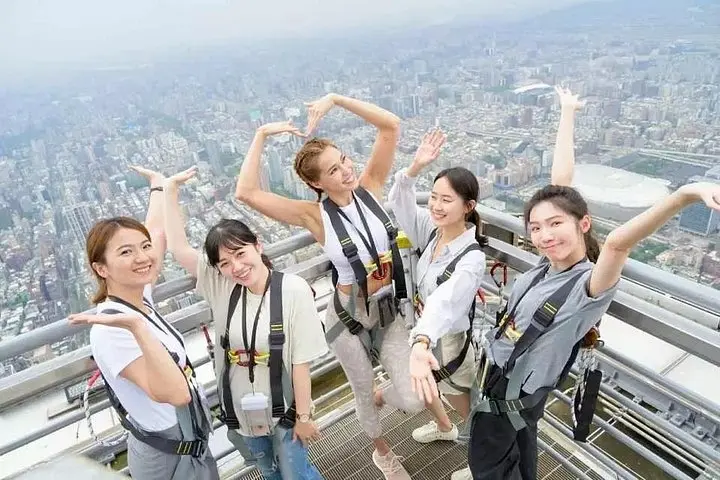
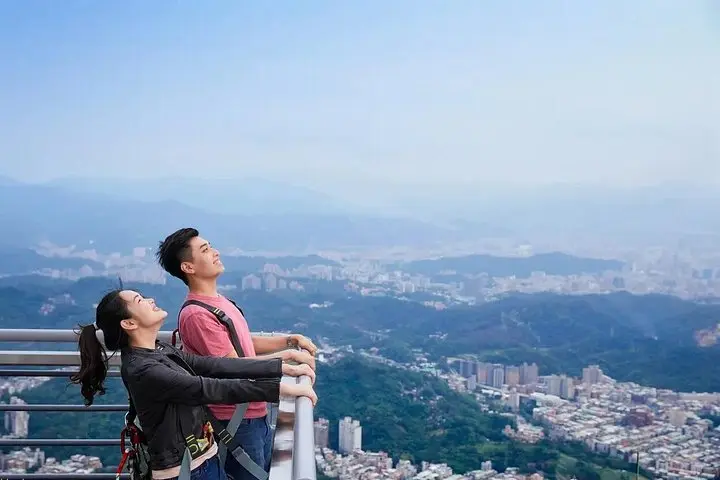
The elevator shudders up and the city unfurls beneath you: a grid of rooftops, the green shoulders of Yangmingshan, and the Tamsui River glinting like a ribbon daring you to follow it west.
Verified experiences and guided adventures in the surrounding area.
Operated by TrevoTour Travels · Taipei, Taipei City
The elevator shudders up and the city unfurls beneath you: a grid of rooftops, the green shoulders of Yangmingshan, and the Tamsui River glinting like a ribbon daring you to follow it west.
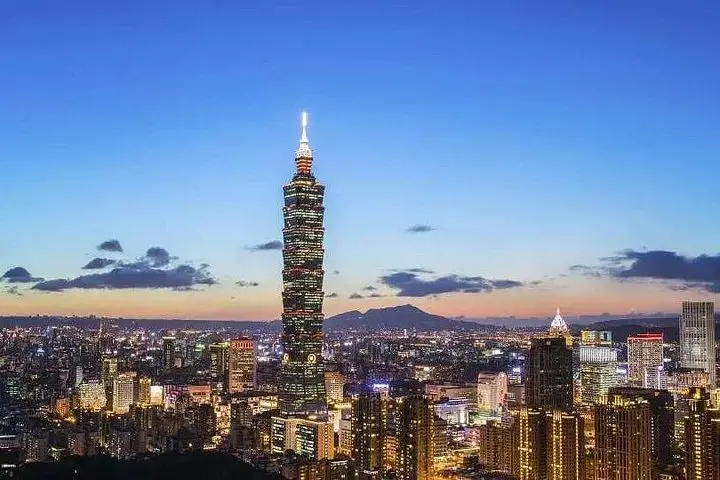
Perched 460 meters above street level, the Taipei 101 Skyline 460 observatory turns the city into a study in contrasts — glass towers beside temple roofs, neon markets below quiet mountain ridgelines. Opened in 2004 when Taipei 101 claimed the title of the world’s tallest building, the tower has become both a modern icon and a practical vantage point for understanding Taipei’s geology and growth: a basin city hemmed by volcanic highlands and fed by rivers that carved the landscape long before the skyline rose.
Guided segments and interactive exhibits on the deck explain the tower’s tuned mass damper and the engineering that keeps it steady in typhoon season, while stargazing sessions and evening light shows connect urban life to broader natural cycles.
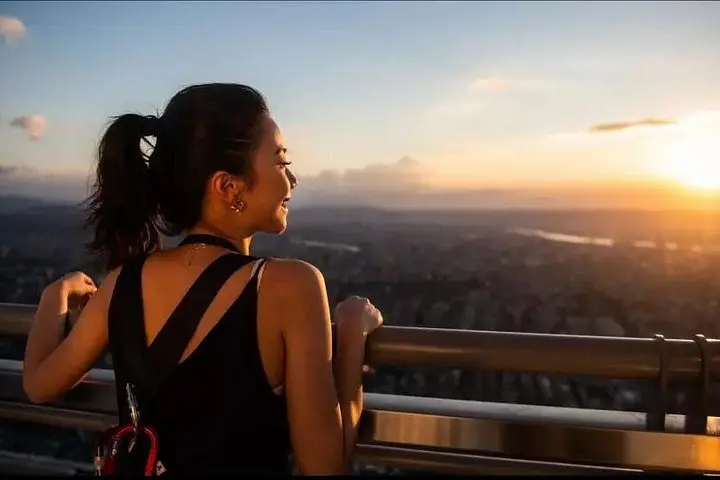
Practical edge: plan for weather and timing. Sunrise and sunset slots offer the most dramatic lighting but sell out; midday visits can suffer haze in summer and early spring. The observatory is fully accessible and suitable for all fitness levels — the experience is about perspective more than endurance. Bring a charged camera or phone, a compact jacket for breezy evenings, and allow 60–120 minutes to move through exhibits, take photos, and soak in views. Respect venue rules (no disruptive items) and be mindful of light pollution during stargazing events so everyone can enjoy the sky.
Allow 60–120 minutes to move through exhibits, take photos, and enjoy timed guided segments or stargazing.
Yes — the venue and routes are wheelchair and stroller accessible, with elevators and accessible surfaces.
Yes — the 460m deck offers timed sunrise and sunset sessions; book early since these slots are limited and popular.
There are nearby cafes and restaurants in the Taipei 101 complex and food options on lower levels, but restrictions (no glass bottles) apply on the observation areas.
TrevoTour Travels operates guided outdoor trips and adventures with an emphasis on safety, stewardship, and memorable experiences.
The elevator shudders up and the city unfurls beneath you: a grid of rooftops, the green shoulders of Yangmingshan, and the Tamsui River glinting like a ribbon daring you to follow it west.
The elevator shudders up and the city unfurls beneath you: a grid of rooftops, the green shoulders of Yangmingshan, and the Tamsui River glinting like a ribbon daring you to follow it west.
Perched 460 meters above street level, the Taipei 101 Skyline 460 observatory turns the city into a study in contrasts — glass towers beside temple roofs, neon markets below quiet mountain ridgelines. Opened in 2004 when Taipei 101 claimed the title of the world’s tallest building, the tower has become both a modern icon and a practical vantage point for understanding Taipei’s geology and growth: a basin city hemmed by volcanic highlands and fed by rivers that carved the landscape long before the skyline rose.
Guided segments and interactive exhibits on the deck explain the tower’s tuned mass damper and the engineering that keeps it steady in typhoon season, while stargazing sessions and evening light shows connect urban life to broader natural cycles.
Practical edge: plan for weather and timing. Sunrise and sunset slots offer the most dramatic lighting but sell out; midday visits can suffer haze in summer and early spring. The observatory is fully accessible and suitable for all fitness levels — the experience is about perspective more than endurance. Bring a charged camera or phone, a compact jacket for breezy evenings, and allow 60–120 minutes to move through exhibits, take photos, and soak in views. Respect venue rules (no disruptive items) and be mindful of light pollution during stargazing events so everyone can enjoy the sky.