THE ADVENTURE COLLECTIVE® · Independent discovery and booking for outdoor travel

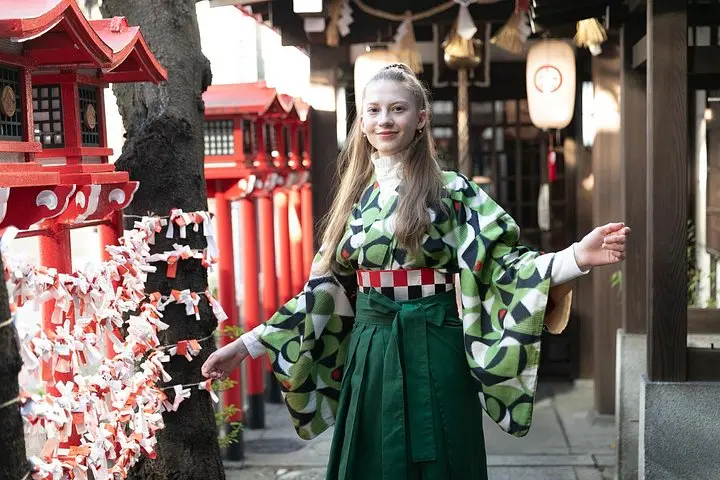
Step into Habashita’s hidden atelier to wear authentic Taisho-era Meisen kimono and hakama, and discover the Nagoya-born Taishogoto. This private, hour-long experience blends hands-on dressing, tea and sweets, and the option to rent your outfit for a city stroll.
Step into Habashita’s hidden atelier to wear authentic Taisho-era Meisen kimono and hakama, and discover the Nagoya-born Taishogoto. This private, hour-long experience blends hands-on dressing, tea and sweets, and the option to rent your outfit for a city stroll.
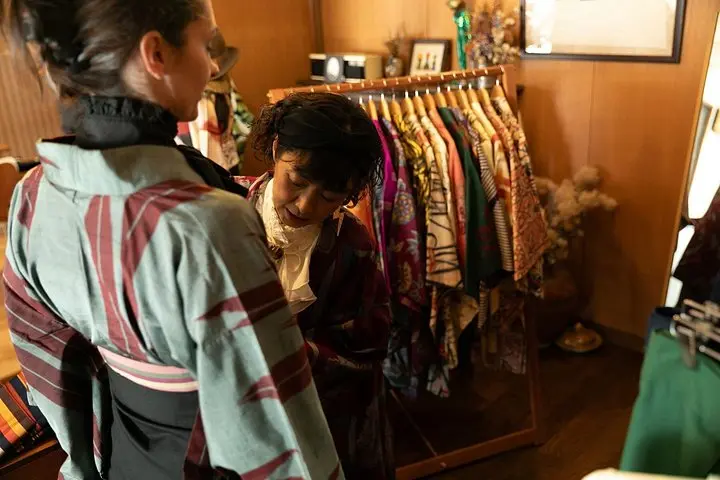
You step through a low door in Habashita and the street noise folds away — tatami scent, the soft rustle of folded silk and a cluster of lacquered geta waiting by the entrance. An atelier sits like a small stage for the Taisho era: antique Meisen bolts on racks, a hakama pressed and waiting, and a Taishogoto propped in the corner, its strings like the city’s memory.
Verified experiences and guided adventures in the surrounding area.
Operated by Tourism Designers Co., Ltd. · Nagoya, Aichi Prefecture
You step through a low door in Habashita and the street noise folds away — tatami scent, the soft rustle of folded silk and a cluster of lacquered geta waiting by the entrance. An atelier sits like a small stage for the Taisho era: antique Meisen bolts on racks, a hakama pressed and waiting, and a Taishogoto propped in the corner, its strings like the city’s memory.
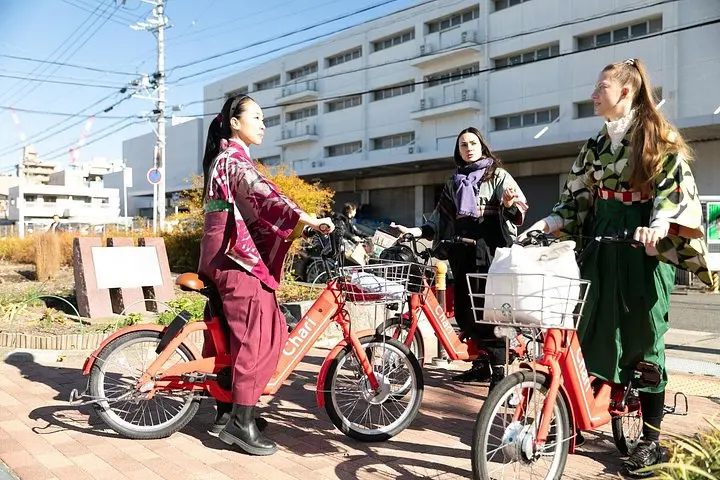
Nagoya sits on the flat Nōbi Plain, and its Taisho-era fashion reflected a time of modernizing tastes: Haikara (Western-influenced) silhouettes paired with traditional weave. The Taishogoto, invented nearby, blends string and keyboard and often appears alongside kimono in local collections. Habashita’s narrow merchant lanes and nearby Shikemichi preserve a pragmatic Edo-to-Taisho urban fabric — low stone, wooden shopfronts and short sightlines that make a stroll in borrowed attire feel immediate and authentic.
Practical details here are straightforward. The experience runs about an hour, guided in English, and includes tea and sweets; rental for an extended day out is usually offered. Wear simple underlayers for easier dressing, reserve a time slot to avoid a wait, and keep valuables minimal — caretakers handle fragile textiles with care. Photographs are welcomed but be mindful of delicate dyes and embroidery.
This is not just a fitting; it’s a short, tactile history lesson that lets you walk Nagoya in Taisho style. Plan for public-transport access, a modest fee for optional day rental, and a relaxed pace to savor the match of instrument, cloth and city.
Yes; many salons offer day rentals for an extra fee so you can stroll historic streets in your outfit.
Yes — the experience includes English guidance to explain garments and assist with dressing.
These are antique textiles; attendants will guide handling and typically perform most adjustments to protect seams and dyes.
The activity is listed as physically easy, but confirm accessibility and child sizing when booking as availability varies.
Tourism Designers Co., Ltd. operates guided outdoor trips and adventures with an emphasis on safety, stewardship, and memorable experiences.
You step through a low door in Habashita and the street noise folds away — tatami scent, the soft rustle of folded silk and a cluster of lacquered geta waiting by the entrance. An atelier sits like a small stage for the Taisho era: antique Meisen bolts on racks, a hakama pressed and waiting, and a Taishogoto propped in the corner, its strings like the city’s memory.
You step through a low door in Habashita and the street noise folds away — tatami scent, the soft rustle of folded silk and a cluster of lacquered geta waiting by the entrance. An atelier sits like a small stage for the Taisho era: antique Meisen bolts on racks, a hakama pressed and waiting, and a Taishogoto propped in the corner, its strings like the city’s memory.
Nagoya sits on the flat Nōbi Plain, and its Taisho-era fashion reflected a time of modernizing tastes: Haikara (Western-influenced) silhouettes paired with traditional weave. The Taishogoto, invented nearby, blends string and keyboard and often appears alongside kimono in local collections. Habashita’s narrow merchant lanes and nearby Shikemichi preserve a pragmatic Edo-to-Taisho urban fabric — low stone, wooden shopfronts and short sightlines that make a stroll in borrowed attire feel immediate and authentic.
Practical details here are straightforward. The experience runs about an hour, guided in English, and includes tea and sweets; rental for an extended day out is usually offered. Wear simple underlayers for easier dressing, reserve a time slot to avoid a wait, and keep valuables minimal — caretakers handle fragile textiles with care. Photographs are welcomed but be mindful of delicate dyes and embroidery.
This is not just a fitting; it’s a short, tactile history lesson that lets you walk Nagoya in Taisho style. Plan for public-transport access, a modest fee for optional day rental, and a relaxed pace to savor the match of instrument, cloth and city.