THE ADVENTURE COLLECTIVE® · Independent discovery and booking for outdoor travel

Catch the Taj at sunrise and pair it with Agra Fort on a single-day private tour from Delhi. Early starts, skip-the-line access, and a local guide make this efficient cultural daytrip ideal for travelers with limited time.
Catch the Taj at sunrise and pair it with Agra Fort on a single-day private tour from Delhi. Early starts, skip-the-line access, and a local guide make this efficient cultural daytrip ideal for travelers with limited time.
The day begins before dawn on the Yamuna's flat plain, when the Taj Mahal first slides into view as a pale silhouette against a cool sky. Early light beads on white marble; the mausoleum seems to breathe as shadows shift across inlayed arabesques and calligraphy. Walking the long reflecting pool, visitors trade the city's traffic for a hush broken only by guide commentary and camera shutters.
Verified experiences and guided adventures in the surrounding area.
Operated by India Travel Choice Private Day Tour · Agra, Uttar Pradesh
The day begins before dawn on the Yamuna's flat plain, when the Taj Mahal first slides into view as a pale silhouette against a cool sky. Early light beads on white marble; the mausoleum seems to breathe as shadows shift across inlayed arabesques and calligraphy. Walking the long reflecting pool, visitors trade the city's traffic for a hush broken only by guide commentary and camera shutters.
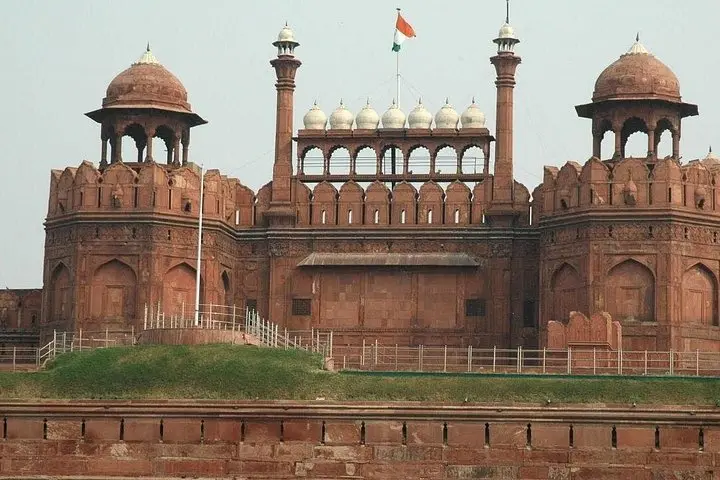
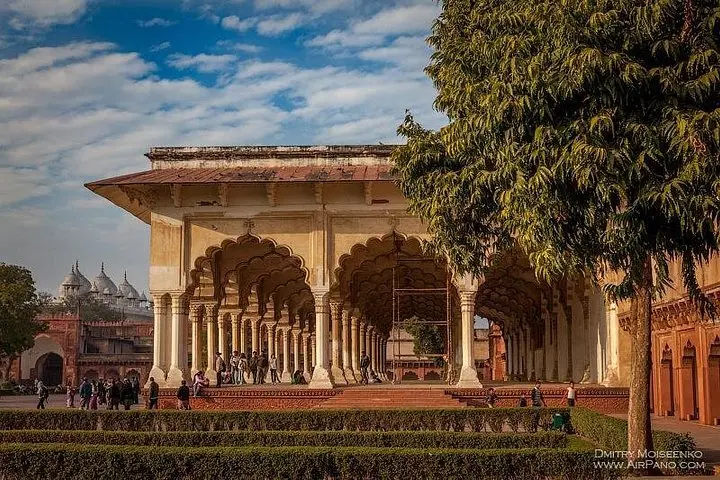
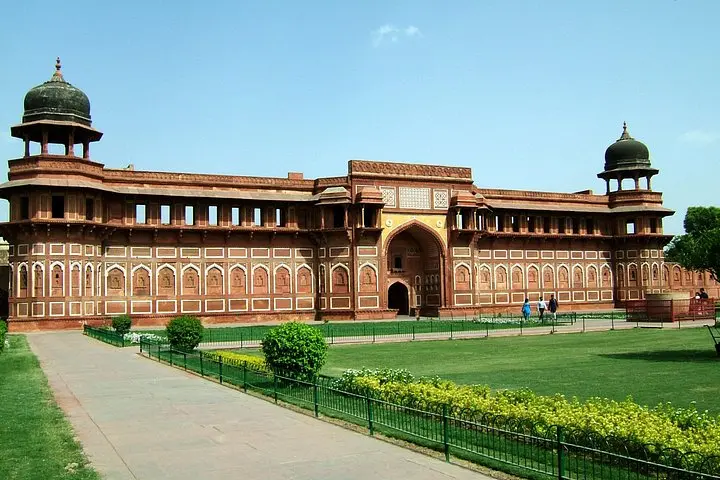
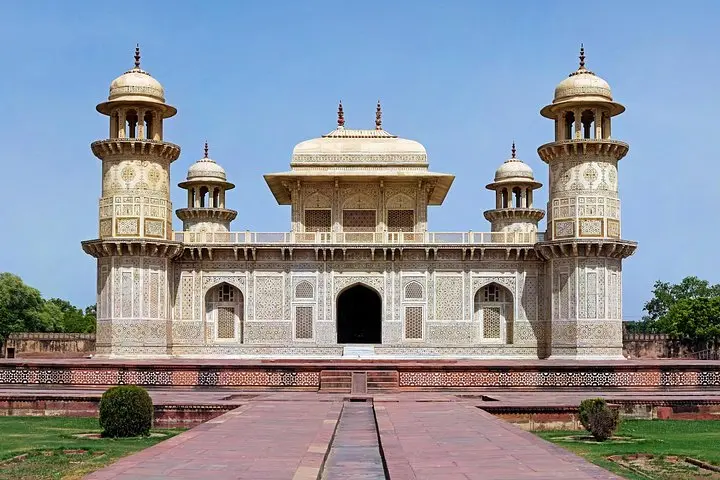
This route threads two Mughal masterpieces: Shah Jahan’s Taj Mahal (mid-17th century) and Akbar’s red-sandstone Agra Fort (16th–17th century). The geology of the Gangetic plain—alluvial silt—provided a flat canvas for grand axial gardens; the marble was quarried from Makrana, and artisans brought pietra dura inlay work that still arrests the eye. Agra’s bazaars and handicraft workshops retain a living culture of marble carving, leatherwork and carpet-making that grew under Mughal patronage.
Practical guide: the full program runs about ten hours door-to-door from Delhi, so expect long but comfortable driving in an air-conditioned vehicle. Most tours aim for a sunrise visit to avoid crowds and heat; allocate 90–120 minutes at the Taj and an hour at Agra Fort. Carry your passport and the ticket confirmation, bring sun protection and a refillable water bottle, and wear shoes that slip on and off easily—Taj interior access requires removal of footwear in some areas. Photography is welcome but follow restricted-area signage; the operator can arrange skip-the-line access, though confirm whether entry tickets are included when you book.
A day here is practical and cinematic: clear logistics free you to focus on scale, craft and the small human stories carved into stone.
Policies vary by operator—some tours include entry tickets and 'skip the line' access while others do not; confirm with the vendor before booking.
Sunrise is best for light and fewer crowds; late afternoon can also be pleasant but gets busier and hotter in summer.
Note: Please confirm accessibility options directly with the tour provider.
Photography is allowed in most exterior and garden areas; interior rules can change, so follow onsite signage and guide instructions.
India Travel Choice Private Day Tour operates guided outdoor trips and adventures with an emphasis on safety, stewardship, and memorable experiences.
The day begins before dawn on the Yamuna's flat plain, when the Taj Mahal first slides into view as a pale silhouette against a cool sky. Early light beads on white marble; the mausoleum seems to breathe as shadows shift across inlayed arabesques and calligraphy. Walking the long reflecting pool, visitors trade the city's traffic for a hush broken only by guide commentary and camera shutters.
The day begins before dawn on the Yamuna's flat plain, when the Taj Mahal first slides into view as a pale silhouette against a cool sky. Early light beads on white marble; the mausoleum seems to breathe as shadows shift across inlayed arabesques and calligraphy. Walking the long reflecting pool, visitors trade the city's traffic for a hush broken only by guide commentary and camera shutters.
This route threads two Mughal masterpieces: Shah Jahan’s Taj Mahal (mid-17th century) and Akbar’s red-sandstone Agra Fort (16th–17th century). The geology of the Gangetic plain—alluvial silt—provided a flat canvas for grand axial gardens; the marble was quarried from Makrana, and artisans brought pietra dura inlay work that still arrests the eye. Agra’s bazaars and handicraft workshops retain a living culture of marble carving, leatherwork and carpet-making that grew under Mughal patronage.
Practical guide: the full program runs about ten hours door-to-door from Delhi, so expect long but comfortable driving in an air-conditioned vehicle. Most tours aim for a sunrise visit to avoid crowds and heat; allocate 90–120 minutes at the Taj and an hour at Agra Fort. Carry your passport and the ticket confirmation, bring sun protection and a refillable water bottle, and wear shoes that slip on and off easily—Taj interior access requires removal of footwear in some areas. Photography is welcome but follow restricted-area signage; the operator can arrange skip-the-line access, though confirm whether entry tickets are included when you book.
A day here is practical and cinematic: clear logistics free you to focus on scale, craft and the small human stories carved into stone.