THE ADVENTURE COLLECTIVE® · Independent discovery and booking for outdoor travel

A private full-day drive from Delhi delivers two UNESCO World Heritage sites: the red-sandstone Agra Fort and the white-marble Taj Mahal. Expect guided history, artisan demonstrations and a long but rewarding day of walking and photography.
A private full-day drive from Delhi delivers two UNESCO World Heritage sites: the red-sandstone Agra Fort and the white-marble Taj Mahal. Expect guided history, artisan demonstrations and a long but rewarding day of walking and photography.
Morning light slices across the Yamuna as a private car eases out of Delhi and the air changes: dust and spice give way to the ordered geometry of Mughal gardens and red sandstone walls.
Verified experiences and guided adventures in the surrounding area.
Operated by SITA World Tours · Agra, Uttar Pradesh
Morning light slices across the Yamuna as a private car eases out of Delhi and the air changes: dust and spice give way to the ordered geometry of Mughal gardens and red sandstone walls.
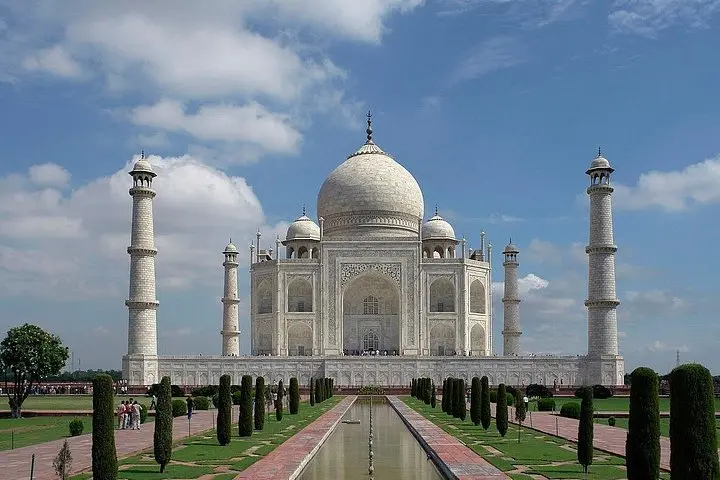
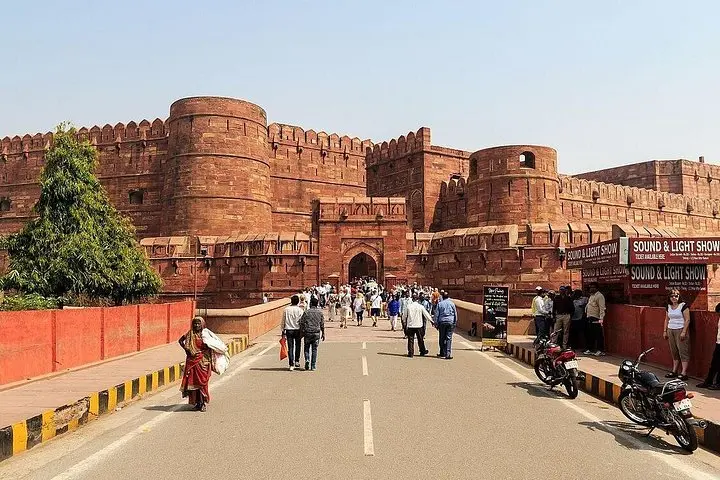
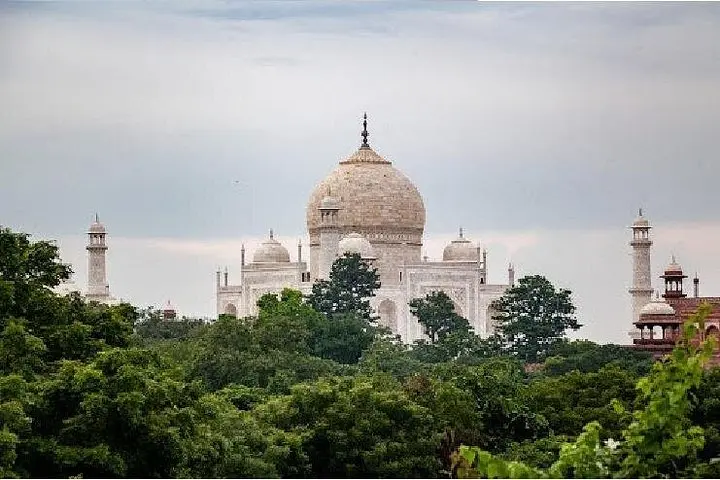
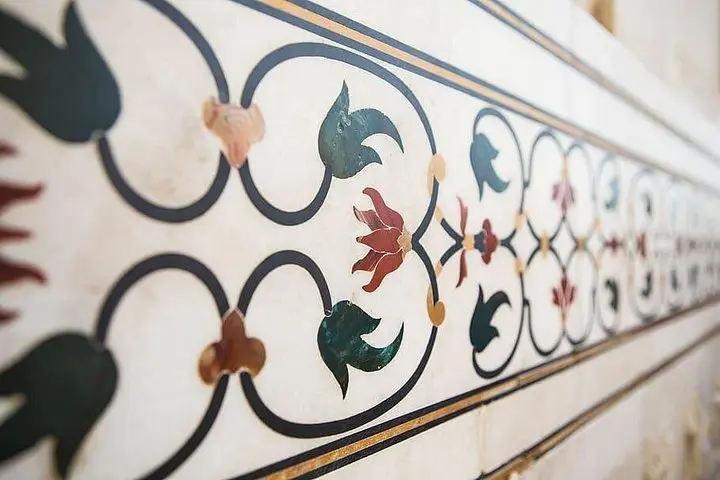
On arrival in Agra, visitors meet an English-speaking guide and step into two chapters of Mughal history. Agra Fort sprawls with ramparts, audience halls and palace apartments—its red sandstone walls built and expanded across centuries by Akbar and Shah Jahan. A short drive leads to the Taj Mahal, the white-marble mausoleum Shah Jahan commissioned for Mumtaz Mahal; its inlaid pietra dura and reflected pools reward patient observation.
Geology is part of the story: pale riverine plains of the Yamuna supplied the mortar and materials; the white Makrana marble in the Taj contrasts with the warm redstone of the fort. Local craft persists—stone inlay demonstrations show techniques used for centuries and remain part of Agra’s artisan economy.
Practically, expect a long day—12 to 14 hours with up to two hours of driving each way depending on traffic. Wear comfortable shoes for walking on marble and sandstone, bring sun protection and a refillable bottle (water is provided, but extra is handy in summer). Respect religious and conservation rules: stay on marked paths at the Taj, avoid flash photography in sensitive areas, and follow your guide’s directions in crowded spaces.
Timing matters: early or late light makes the marble glow; mid-day is hottest and busiest. Whether you come for architecture, craft, or history, the route from Delhi to Agra moves quickly from urban chaos to the quiet geometry of Mughal ambition.
Yes—this itinerary includes admission to both sites, as noted in the tour inclusions.
Pickup and drop-off are provided from hotels in Delhi; you must confirm the exact pickup point after booking.
Accessibility is partial: there are ramps at some entry points and flat paths, but historic steps and crowded areas can limit movement—notify the operator of mobility needs in advance.
October to March offers cooler, clearer conditions; early mornings reduce crowds and soften light for photography.
SITA World Tours operates guided outdoor trips and adventures with an emphasis on safety, stewardship, and memorable experiences.
Morning light slices across the Yamuna as a private car eases out of Delhi and the air changes: dust and spice give way to the ordered geometry of Mughal gardens and red sandstone walls.
Morning light slices across the Yamuna as a private car eases out of Delhi and the air changes: dust and spice give way to the ordered geometry of Mughal gardens and red sandstone walls.
On arrival in Agra, visitors meet an English-speaking guide and step into two chapters of Mughal history. Agra Fort sprawls with ramparts, audience halls and palace apartments—its red sandstone walls built and expanded across centuries by Akbar and Shah Jahan. A short drive leads to the Taj Mahal, the white-marble mausoleum Shah Jahan commissioned for Mumtaz Mahal; its inlaid pietra dura and reflected pools reward patient observation.
Geology is part of the story: pale riverine plains of the Yamuna supplied the mortar and materials; the white Makrana marble in the Taj contrasts with the warm redstone of the fort. Local craft persists—stone inlay demonstrations show techniques used for centuries and remain part of Agra’s artisan economy.
Practically, expect a long day—12 to 14 hours with up to two hours of driving each way depending on traffic. Wear comfortable shoes for walking on marble and sandstone, bring sun protection and a refillable bottle (water is provided, but extra is handy in summer). Respect religious and conservation rules: stay on marked paths at the Taj, avoid flash photography in sensitive areas, and follow your guide’s directions in crowded spaces.
Timing matters: early or late light makes the marble glow; mid-day is hottest and busiest. Whether you come for architecture, craft, or history, the route from Delhi to Agra moves quickly from urban chaos to the quiet geometry of Mughal ambition.