THE ADVENTURE COLLECTIVE® · Independent discovery and booking for outdoor travel

Combine an up-close visit to a bear rescue at Keetham Lake with a timed stop at the Taj Mahal on this full-day private trip from Delhi. Expect wildlife education, Mughal architecture, and practical tips to make the most of an 8–12 hour day.
Combine an up-close visit to a bear rescue at Keetham Lake with a timed stop at the Taj Mahal on this full-day private trip from Delhi. Expect wildlife education, Mughal architecture, and practical tips to make the most of an 8–12 hour day.
You leave Delhi before dawn, the city thinning into fields as the highway pushes you toward Agra. The first stop is Keetham Lake’s Wildlife SOS rescue—an open compound where rescued sloth bears move with deliberate curiosity and keepers outline their rehabilitation. The air smells of dry grass and lake mud; the bears’ slow foraging contrasts sharply with what you’ll see later.
Verified experiences and guided adventures in the surrounding area.
Operated by Discover Activities · Agra, Uttar Pradesh
You leave Delhi before dawn, the city thinning into fields as the highway pushes you toward Agra. The first stop is Keetham Lake’s Wildlife SOS rescue—an open compound where rescued sloth bears move with deliberate curiosity and keepers outline their rehabilitation. The air smells of dry grass and lake mud; the bears’ slow foraging contrasts sharply with what you’ll see later.
A short drive brings you to the Yamuna’s banks and the Taj Mahal’s white marble rising from the garden: a balanced mausoleum of Makrana marble, pietra dura inlay, and a central dome flanked by slender minarets. Built by Shah Jahan in the 17th century, the monument sits on a raised plinth that frames changing reflections in the pools and river beyond.
This day pairs wildlife conservation with architectural history—insight into modern rescue work at Keetham and the Mughal-era artistry that shapes Agra’s skyline. Expect guided orientation at the rescue center, a close-but-respectful viewing of rehabilitated bears, and 1–2 hours at the Taj (entry typically separate).
Practical guidance: start early for softer light and fewer crowds, bring original ID for monument entry and security screening, and wear sturdy shoes for garden paths and uneven surfaces. Keep water, sun protection, and light layers; summers are hot, winters can be crisp by the river. At the rescue center follow staff directions: do not attempt to touch or feed animals, and consider a small donation or buying supplies through the center to directly support conservation work.
The itinerary lists admission to the bear rescue but notes Taj Mahal admission is not included—plan to purchase tickets separately or confirm with the operator before booking.
No—visits are supervised and viewing is from safe distances; staff will explain rehabilitation work and permitted interactions.
This is a full-day private tour (about 8–12 hours). Pickup is typically early morning from Delhi with evening return; confirm your pickup point and time when booking.
The Taj Mahal is closed on Fridays for congregational prayers; plan your visit on another day and arrive early to avoid crowds and heat.
Discover Activities operates guided outdoor trips and adventures with an emphasis on safety, stewardship, and memorable experiences.

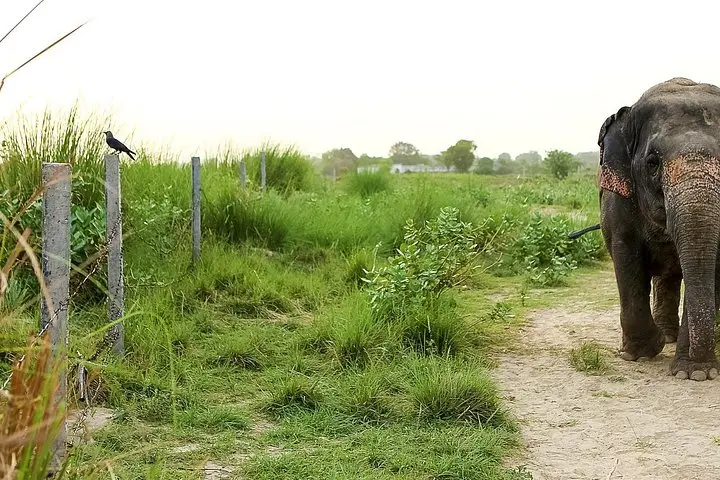


You leave Delhi before dawn, the city thinning into fields as the highway pushes you toward Agra. The first stop is Keetham Lake’s Wildlife SOS rescue—an open compound where rescued sloth bears move with deliberate curiosity and keepers outline their rehabilitation. The air smells of dry grass and lake mud; the bears’ slow foraging contrasts sharply with what you’ll see later.
You leave Delhi before dawn, the city thinning into fields as the highway pushes you toward Agra. The first stop is Keetham Lake’s Wildlife SOS rescue—an open compound where rescued sloth bears move with deliberate curiosity and keepers outline their rehabilitation. The air smells of dry grass and lake mud; the bears’ slow foraging contrasts sharply with what you’ll see later.
A short drive brings you to the Yamuna’s banks and the Taj Mahal’s white marble rising from the garden: a balanced mausoleum of Makrana marble, pietra dura inlay, and a central dome flanked by slender minarets. Built by Shah Jahan in the 17th century, the monument sits on a raised plinth that frames changing reflections in the pools and river beyond.
This day pairs wildlife conservation with architectural history—insight into modern rescue work at Keetham and the Mughal-era artistry that shapes Agra’s skyline. Expect guided orientation at the rescue center, a close-but-respectful viewing of rehabilitated bears, and 1–2 hours at the Taj (entry typically separate).
Practical guidance: start early for softer light and fewer crowds, bring original ID for monument entry and security screening, and wear sturdy shoes for garden paths and uneven surfaces. Keep water, sun protection, and light layers; summers are hot, winters can be crisp by the river. At the rescue center follow staff directions: do not attempt to touch or feed animals, and consider a small donation or buying supplies through the center to directly support conservation work.