THE ADVENTURE COLLECTIVE® · Independent discovery and booking for outdoor travel

Combine two of northern India’s icons in one efficient route: sunrise and sunset at the Taj Mahal followed by morning and evening Jeep safaris in Ranthambore. Expect long drives, early wake-ups and high chances to encounter the region’s wildlife.
Combine two of northern India’s icons in one efficient route: sunrise and sunset at the Taj Mahal followed by morning and evening Jeep safaris in Ranthambore. Expect long drives, early wake-ups and high chances to encounter the region’s wildlife.
Morning light lowers itself across the Yamuna and the Taj Mahal glows in slow, changing tones — an image that anchors the first day of this compact three-day loop from Delhi.
Verified experiences and guided adventures in the surrounding area.
Operated by Agra Taj Visit · Agra, Uttar Pradesh
Morning light lowers itself across the Yamuna and the Taj Mahal glows in slow, changing tones — an image that anchors the first day of this compact three-day loop from Delhi.
The itinerary pairs two very different Rajasthan narratives: Mughal grandeur in Agra and the raw, rocky ranges of Ranthambore National Park. Visitors will walk through Agra Fort’s red sandstone halls, then watch the mausoleum shift from ivory to gold at sunset. Geologically, Ranthambore’s park is a patchwork of granite outcrops and scrub forest where seasonal ponds collect rain and dry into mosaics by late spring.
Culturally the route moves from Mughal art and marble inlay to village life around Sawai Madhopur — local markets sell petha sweets and block-printed textiles, and guides often share stories of the park’s history as a royal hunting ground turned tiger reserve.
Practically: travel times are significant — expect about 4 hours Delhi–Agra and 5–6 hours Agra–Ranthambore by road. Safaris run early morning and late afternoon; guides and park permits are required and operators typically request a passport copy for bookings. Dress in muted colors for the safari, keep optics ready (binoculars, zoom lens), and plan for early starts when wildlife activity peaks.
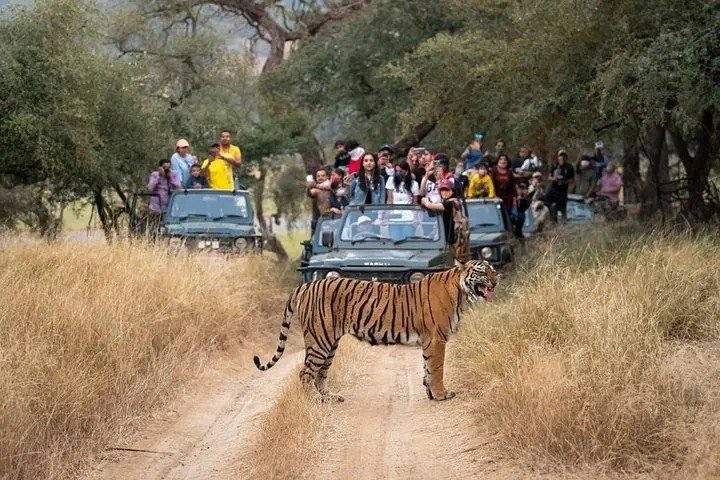
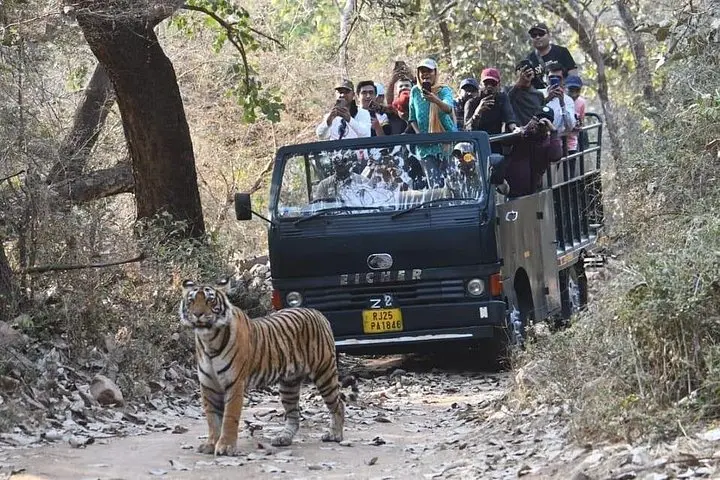
This itinerary balances heritage viewing with wildlife pursuit; pacing is brisk but manageable for most travelers. Hydrate, protect from sun and dust, and be prepared for unpaved paths inside the reserve — the reward is close: possible tiger sightings, langur troops on boulders, and the Taj’s unforgettable silhouette at golden hour.
Expect approximately 4 hours from Delhi to Agra and about 5–6 hours from Agra to Ranthambore by private car, depending on traffic and road conditions.
Early morning and late afternoon safaris offer the best chance of sightings; winter and the dry season (October–June) often concentrate wildlife around water sources.
Yes — park permits are required and operators typically request a passport copy for booking; carry your original ID while traveling.
Multi-day tour packages commonly include hotel accommodation (star level chosen at booking), transfers by private AC car, and shared jeep/canter safaris as specified in the itinerary.
Agra Taj Visit operates guided outdoor trips and adventures with an emphasis on safety, stewardship, and memorable experiences.
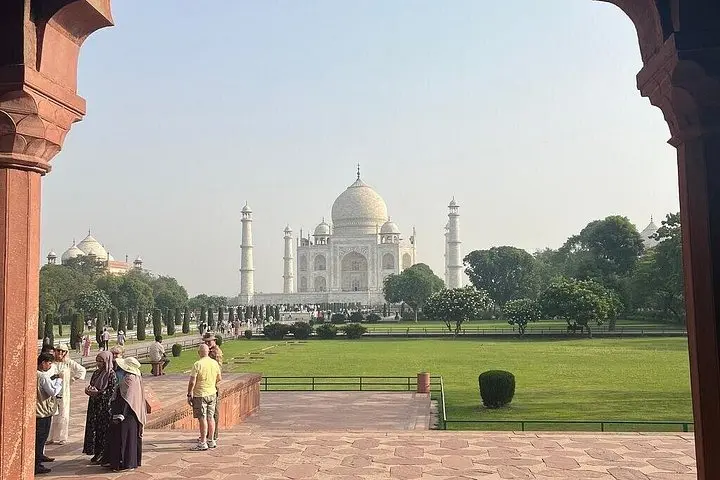
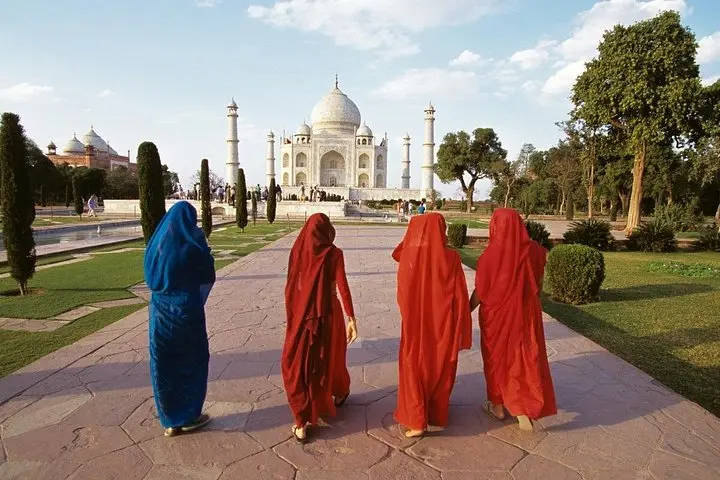
Morning light lowers itself across the Yamuna and the Taj Mahal glows in slow, changing tones — an image that anchors the first day of this compact three-day loop from Delhi.
Morning light lowers itself across the Yamuna and the Taj Mahal glows in slow, changing tones — an image that anchors the first day of this compact three-day loop from Delhi.
The itinerary pairs two very different Rajasthan narratives: Mughal grandeur in Agra and the raw, rocky ranges of Ranthambore National Park. Visitors will walk through Agra Fort’s red sandstone halls, then watch the mausoleum shift from ivory to gold at sunset. Geologically, Ranthambore’s park is a patchwork of granite outcrops and scrub forest where seasonal ponds collect rain and dry into mosaics by late spring.
Culturally the route moves from Mughal art and marble inlay to village life around Sawai Madhopur — local markets sell petha sweets and block-printed textiles, and guides often share stories of the park’s history as a royal hunting ground turned tiger reserve.
Practically: travel times are significant — expect about 4 hours Delhi–Agra and 5–6 hours Agra–Ranthambore by road. Safaris run early morning and late afternoon; guides and park permits are required and operators typically request a passport copy for bookings. Dress in muted colors for the safari, keep optics ready (binoculars, zoom lens), and plan for early starts when wildlife activity peaks.
This itinerary balances heritage viewing with wildlife pursuit; pacing is brisk but manageable for most travelers. Hydrate, protect from sun and dust, and be prepared for unpaved paths inside the reserve — the reward is close: possible tiger sightings, langur troops on boulders, and the Taj’s unforgettable silhouette at golden hour.