THE ADVENTURE COLLECTIVE® · Independent discovery and booking for outdoor travel

A one-day drive from Delhi delivers the Taj Mahal, Agra Fort, Itmad-ud-Daulah and a riverside sunset view at Mehtab Bagh. Start early, plan for security checks and local crafts shopping, and expect a full day of walking and history.
A one-day drive from Delhi delivers the Taj Mahal, Agra Fort, Itmad-ud-Daulah and a riverside sunset view at Mehtab Bagh. Start early, plan for security checks and local crafts shopping, and expect a full day of walking and history.
The road to Agra opens before dawn: a long ribbon of expressway, the city lights falling away as the car pushes east. By 10:00 a.m. the white domes of the Taj Mahal rise from the early haze, marble catching a cold, almost blue light. You spend your time moving between crafted gardens, the polished marble platform, and angles that frame the Yamuna’s quiet flow behind the complex.
Verified experiences and guided adventures in the surrounding area.
Operated by Impressive Holidays · Agra, Uttar Pradesh
The road to Agra opens before dawn: a long ribbon of expressway, the city lights falling away as the car pushes east. By 10:00 a.m. the white domes of the Taj Mahal rise from the early haze, marble catching a cold, almost blue light. You spend your time moving between crafted gardens, the polished marble platform, and angles that frame the Yamuna’s quiet flow behind the complex.
The Taj Mahal was built in the 17th century by Shah Jahan as a mausoleum for Mumtaz Mahal; nearby Agra Fort, raised by Akbar, and the smaller Itmad-ud-Daulah reflect Mughal architectural evolution from red sandstone to marble inlay. Geologically, the site sits on the alluvial plains of the Yamuna; white Makrana marble and local sandstone shape the visual contrast that defines the city’s monuments. Culturally, Agra is a working city of craftsmen—stone inlay, carpet weavers, and leatherworkers—so expect active markets and artisan stalls near the tourist circuit.
On a day tour you’ll see the Taj, Agra Fort, Itmad-ud-Daulah (the “Baby Taj”), and Mehtab Bagh’s reflective view across the river. Practical tips: start early to avoid midday heat and crowds; the Taj is closed on Fridays. Security screenings are strict and shoes must be removed or covered for the marble platform; modest clothing is recommended. Bring bottled water, sun protection, and a small bag—flash photography rules and guided entry timings mean pacing matters. By evening, the car returns to Delhi with a day’s worth of history, geometry, and the slow, watchful presence of the Yamuna left behind.
The drive takes about 3–4 hours each way on the Yamuna Expressway depending on traffic—most operators schedule an early departure to maximize time in Agra.
This tour itinerary lists guided visits but check whether monument entry fees are included; some operators add entry tickets as a separate charge.
Large bags are often restricted; small backpacks are accepted after security checks, but expect bag inspection and limited storage options.
Yes; this tour includes an English-speaking guide for the sightseeing portions, per the tour description.
Impressive Holidays operates guided outdoor trips and adventures with an emphasis on safety, stewardship, and memorable experiences.
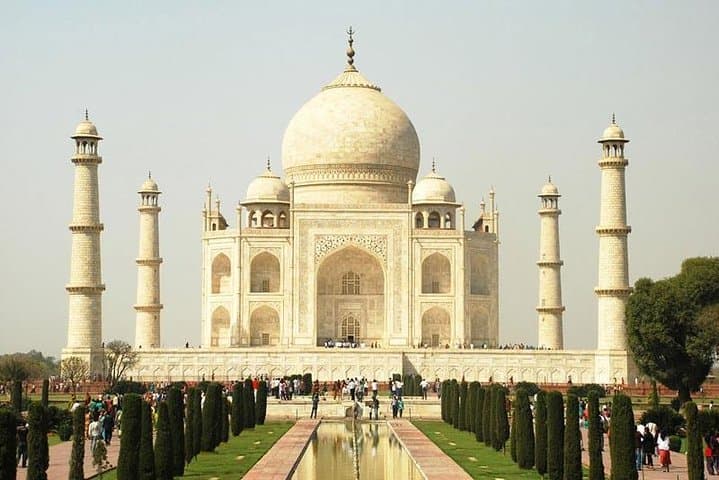
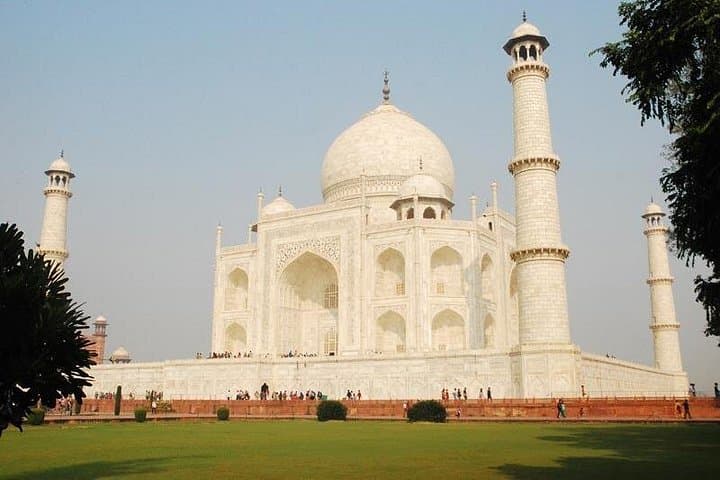

The road to Agra opens before dawn: a long ribbon of expressway, the city lights falling away as the car pushes east. By 10:00 a.m. the white domes of the Taj Mahal rise from the early haze, marble catching a cold, almost blue light. You spend your time moving between crafted gardens, the polished marble platform, and angles that frame the Yamuna’s quiet flow behind the complex.
The road to Agra opens before dawn: a long ribbon of expressway, the city lights falling away as the car pushes east. By 10:00 a.m. the white domes of the Taj Mahal rise from the early haze, marble catching a cold, almost blue light. You spend your time moving between crafted gardens, the polished marble platform, and angles that frame the Yamuna’s quiet flow behind the complex.
The Taj Mahal was built in the 17th century by Shah Jahan as a mausoleum for Mumtaz Mahal; nearby Agra Fort, raised by Akbar, and the smaller Itmad-ud-Daulah reflect Mughal architectural evolution from red sandstone to marble inlay. Geologically, the site sits on the alluvial plains of the Yamuna; white Makrana marble and local sandstone shape the visual contrast that defines the city’s monuments. Culturally, Agra is a working city of craftsmen—stone inlay, carpet weavers, and leatherworkers—so expect active markets and artisan stalls near the tourist circuit.
On a day tour you’ll see the Taj, Agra Fort, Itmad-ud-Daulah (the “Baby Taj”), and Mehtab Bagh’s reflective view across the river. Practical tips: start early to avoid midday heat and crowds; the Taj is closed on Fridays. Security screenings are strict and shoes must be removed or covered for the marble platform; modest clothing is recommended. Bring bottled water, sun protection, and a small bag—flash photography rules and guided entry timings mean pacing matters. By evening, the car returns to Delhi with a day’s worth of history, geometry, and the slow, watchful presence of the Yamuna left behind.