THE ADVENTURE COLLECTIVE® · Independent discovery and booking for outdoor travel

Make a long, rewarding day trip from Delhi to Agra to see the Taj Mahal, Agra Fort, and optional ‘Baby Taj’ with a private car and guide. Expect early starts, guided access, and a 12–14 hour itinerary with road time and monument visits.
Make a long, rewarding day trip from Delhi to Agra to see the Taj Mahal, Agra Fort, and optional ‘Baby Taj’ with a private car and guide. Expect early starts, guided access, and a 12–14 hour itinerary with road time and monument visits.
Drive out before dawn along the Delhi–Agra Expressway and the world compresses into a long ribbon of fields and roadside tea stalls. By the time the haze lifts you’re at the Yamuna’s edge, the marble silhouette of the Taj Mahal rising pale and precise against a clear sky — a moment that still stops most travelers short.
Verified experiences and guided adventures in the surrounding area.
Operated by Atul Holidays · Agra, Uttar Pradesh
Drive out before dawn along the Delhi–Agra Expressway and the world compresses into a long ribbon of fields and roadside tea stalls. By the time the haze lifts you’re at the Yamuna’s edge, the marble silhouette of the Taj Mahal rising pale and precise against a clear sky — a moment that still stops most travelers short.
The Taj Mahal was built in the mid-17th century by Mughal emperor Shah Jahan as a mausoleum for Mumtaz Mahal, and Agra’s layered history is visible in the red-sandstone walls of Agra Fort and the quieter inlay work of smaller mausolea nearby. Geologically the Taj’s white marble was quarried from Makrana; centuries of weathering and restoration have left a readable surface that conservators steadily care for. Culturally, the site remains active in local life: from marble artisans to vendors selling fragrant jalebi and chai.
Practically, a same-day car tour from Delhi is a long but efficient itinerary — expect 12–14 hours total, much of it on the road, with guided access and scheduled time at the Taj, Agra Fort, and an optional stop at Itmad-ud-Daulah (the ‘Baby Taj’). Early-morning arrival gives the best light and thinner crowds; midday can be intensely hot and busy.
Bring comfortable walking shoes, sun protection, and a light daypack. Carry a printed or mobile ticket if you’ve booked monument entry, and keep ID handy for security checks. If you’re sensitive to crowds, ask for the earliest pickup and allow the guide flexibility for routing. The drive returns to Delhi in the evening, leaving you with a full day of Mughal architecture and a clear sense of why Agra draws travelers from around the globe.
Some tour options include entrance fees; check your booking details—many itineraries list entrance as an add-on when selecting ticketed options.
The drive on the Delhi–Agra Expressway typically takes about 3–4 hours each way depending on traffic; plan for a 12–14 hour round trip.
Photography is permitted across most exterior areas; tripods and drones are restricted and there are rules inside some buildings—follow site signage and guide instructions.
Yes, private tours generally offer hotel or airport pickup—provide your pickup point and flight details when booking to confirm logistics.
Atul Holidays operates guided outdoor trips and adventures with an emphasis on safety, stewardship, and memorable experiences.
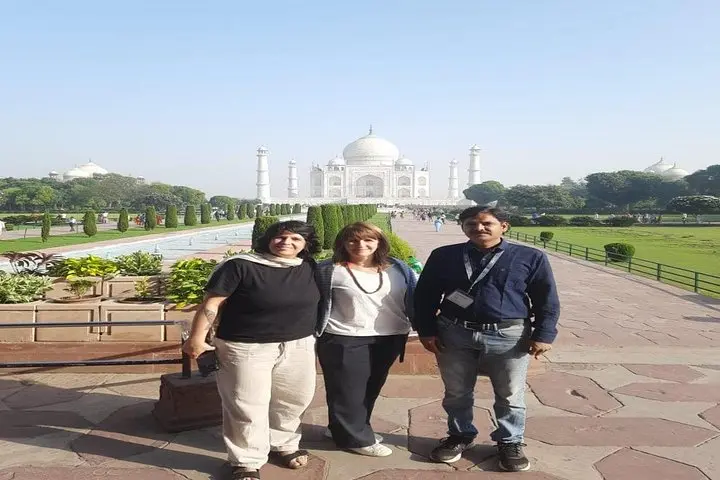
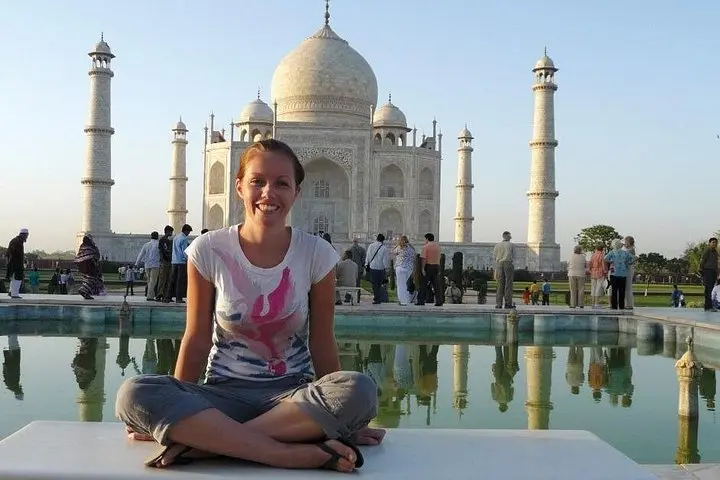
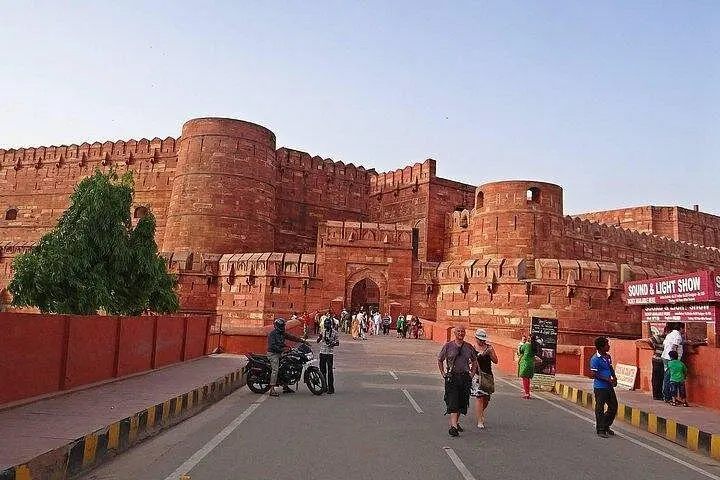
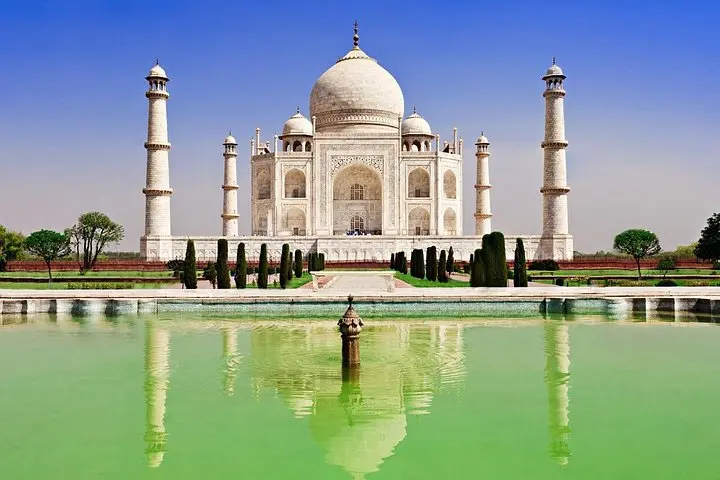
Drive out before dawn along the Delhi–Agra Expressway and the world compresses into a long ribbon of fields and roadside tea stalls. By the time the haze lifts you’re at the Yamuna’s edge, the marble silhouette of the Taj Mahal rising pale and precise against a clear sky — a moment that still stops most travelers short.
Drive out before dawn along the Delhi–Agra Expressway and the world compresses into a long ribbon of fields and roadside tea stalls. By the time the haze lifts you’re at the Yamuna’s edge, the marble silhouette of the Taj Mahal rising pale and precise against a clear sky — a moment that still stops most travelers short.
The Taj Mahal was built in the mid-17th century by Mughal emperor Shah Jahan as a mausoleum for Mumtaz Mahal, and Agra’s layered history is visible in the red-sandstone walls of Agra Fort and the quieter inlay work of smaller mausolea nearby. Geologically the Taj’s white marble was quarried from Makrana; centuries of weathering and restoration have left a readable surface that conservators steadily care for. Culturally, the site remains active in local life: from marble artisans to vendors selling fragrant jalebi and chai.
Practically, a same-day car tour from Delhi is a long but efficient itinerary — expect 12–14 hours total, much of it on the road, with guided access and scheduled time at the Taj, Agra Fort, and an optional stop at Itmad-ud-Daulah (the ‘Baby Taj’). Early-morning arrival gives the best light and thinner crowds; midday can be intensely hot and busy.
Bring comfortable walking shoes, sun protection, and a light daypack. Carry a printed or mobile ticket if you’ve booked monument entry, and keep ID handy for security checks. If you’re sensitive to crowds, ask for the earliest pickup and allow the guide flexibility for routing. The drive returns to Delhi in the evening, leaving you with a full day of Mughal architecture and a clear sense of why Agra draws travelers from around the globe.