THE ADVENTURE COLLECTIVE® · Independent discovery and booking for outdoor travel

Make the Taj Mahal accessible in a single long day aboard one of India’s fastest trains. This guided roundtrip from Delhi pairs efficient rail travel with focused visits to the Taj, Agra Fort and Itimad‑Ud‑Daulah.
Make the Taj Mahal accessible in a single long day aboard one of India’s fastest trains. This guided roundtrip from Delhi pairs efficient rail travel with focused visits to the Taj, Agra Fort and Itimad‑Ud‑Daulah.
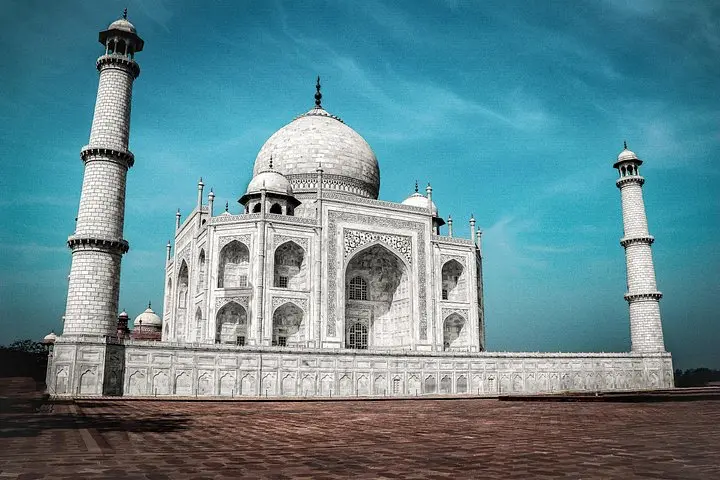
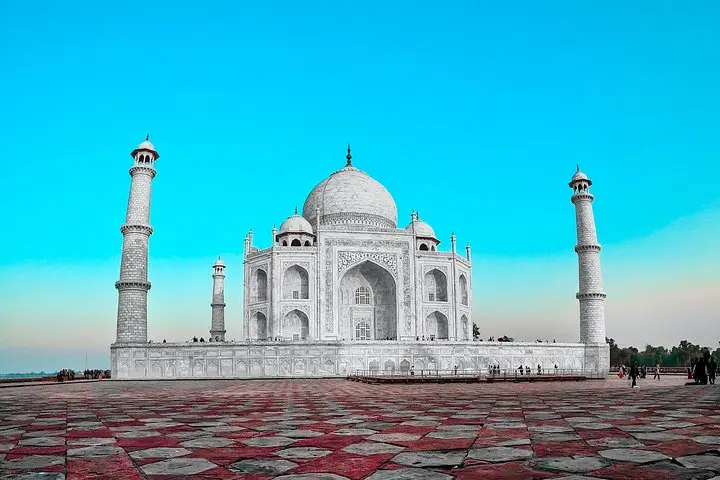
The morning platform hums with the low rumble of a train ready to bridge two worlds: Delhi’s fast-moving sprawl and Agra’s Mughal monuments. Travelers settle into padded seats while the countryside slides by—rice fields, brick kilns and scrub—then the silhouette of the Taj Mahal appears across the Yamuna like a sudden white challenge.
Verified experiences and guided adventures in the surrounding area.
Operated by Arush Tours · Agra, Uttar Pradesh
The morning platform hums with the low rumble of a train ready to bridge two worlds: Delhi’s fast-moving sprawl and Agra’s Mughal monuments. Travelers settle into padded seats while the countryside slides by—rice fields, brick kilns and scrub—then the silhouette of the Taj Mahal appears across the Yamuna like a sudden white challenge.
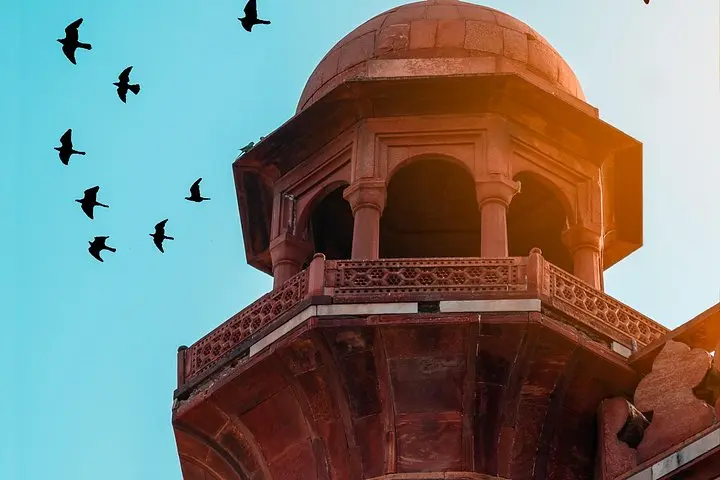
Built from 1632 for Mumtaz Mahal, the Taj Mahal sits on a plinth of white marble quarried from Makrana; nearby Agra Fort is a red-sandstone fortress that chronicles Mughal power and urban life through layered architecture and carved halls. Etimad‑Ud‑Daulah, the so‑called Baby Taj, offers intricate pietra dura in a quieter courtyard, while Mehtab Bagh on the riverbank gives one of the clearest sunset views.
Culturally, the day trip is a compact lesson in Mughal art, workshop craft and contemporary Agra: marble inlay studios, bustling bazaars and the enduring rhythm of river and city traffic.
Practical guidance: this is a long day—expect 10–12 hours door‑to‑door. Security queues and monument rules (no large bags, lines for photo stops) shape the timetable. Carry a government ID/passport for train verification and monument tickets. Start at first light if you want softer light and fewer crowds; afternoon visits are warmer and busier. Wear comfortable walking shoes for marble steps and uneven courtyard surfaces, and bring water, sunscreen and a lightweight layer for cooler mornings or air‑conditioned transfers. Allow extra time for train boarding and guided transitions—this itinerary balances efficient transit with concentrated time at the major sites.
The tour may include monument entry depending on the option booked—check your confirmation; some package variants list entry fees as optional add‑ons.
Typical guided visits allocate up to 2–3 hours at the Taj, allowing for walking the gardens, brief interior viewing and photography.
Gatimaan Express offers air‑conditioned, reserved seating with onboard refreshments—it's designed for a comfortable high‑speed day return.
Yes—carrying the same valid passport or government ID used during booking is required for train boarding and verification at monuments.
Arush Tours operates guided outdoor trips and adventures with an emphasis on safety, stewardship, and memorable experiences.

The morning platform hums with the low rumble of a train ready to bridge two worlds: Delhi’s fast-moving sprawl and Agra’s Mughal monuments. Travelers settle into padded seats while the countryside slides by—rice fields, brick kilns and scrub—then the silhouette of the Taj Mahal appears across the Yamuna like a sudden white challenge.
The morning platform hums with the low rumble of a train ready to bridge two worlds: Delhi’s fast-moving sprawl and Agra’s Mughal monuments. Travelers settle into padded seats while the countryside slides by—rice fields, brick kilns and scrub—then the silhouette of the Taj Mahal appears across the Yamuna like a sudden white challenge.
Built from 1632 for Mumtaz Mahal, the Taj Mahal sits on a plinth of white marble quarried from Makrana; nearby Agra Fort is a red-sandstone fortress that chronicles Mughal power and urban life through layered architecture and carved halls. Etimad‑Ud‑Daulah, the so‑called Baby Taj, offers intricate pietra dura in a quieter courtyard, while Mehtab Bagh on the riverbank gives one of the clearest sunset views.
Culturally, the day trip is a compact lesson in Mughal art, workshop craft and contemporary Agra: marble inlay studios, bustling bazaars and the enduring rhythm of river and city traffic.
Practical guidance: this is a long day—expect 10–12 hours door‑to‑door. Security queues and monument rules (no large bags, lines for photo stops) shape the timetable. Carry a government ID/passport for train verification and monument tickets. Start at first light if you want softer light and fewer crowds; afternoon visits are warmer and busier. Wear comfortable walking shoes for marble steps and uneven courtyard surfaces, and bring water, sunscreen and a lightweight layer for cooler mornings or air‑conditioned transfers. Allow extra time for train boarding and guided transitions—this itinerary balances efficient transit with concentrated time at the major sites.