THE ADVENTURE COLLECTIVE® · Independent discovery and booking for outdoor travel

Catch the Gatimaan Express for a concentrated day at the Taj Mahal and Agra’s Mughal monuments. This fast rail link turns a long journey into a manageable, photo-friendly cultural loop.
Catch the Gatimaan Express for a concentrated day at the Taj Mahal and Agra’s Mughal monuments. This fast rail link turns a long journey into a manageable, photo-friendly cultural loop.
Before dawn the city hums and the Gatimaan Express waits — a silver thread that will stitch New Delhi to Agra in under two hours. Passengers fold themselves into reclining seats as fields and flyovers blur; the Yamuna river appears like a ribbon unspooling toward the white marble that defines Agra's skyline. Arriving mid-morning, the Taj Mahal presents itself in stages: first the garden geometry, then the minarets rising, then the mausoleum’s warmth as light angles across carved pietra dura.
Verified experiences and guided adventures in the surrounding area.
Operated by Delight Tours India · Agra, Uttar Pradesh
Before dawn the city hums and the Gatimaan Express waits — a silver thread that will stitch New Delhi to Agra in under two hours. Passengers fold themselves into reclining seats as fields and flyovers blur; the Yamuna river appears like a ribbon unspooling toward the white marble that defines Agra's skyline. Arriving mid-morning, the Taj Mahal presents itself in stages: first the garden geometry, then the minarets rising, then the mausoleum’s warmth as light angles across carved pietra dura.
Built by Shah Jahan in the 17th century, the Taj sits within a landscape shaped by the Yamuna's floodplain and centuries of Mughal urban planning. Nearby Mehtab Bagh offers the reverse view—photographers catch reflected light at sunset while Etimad‑ud‑Daulah (the 'Baby Taj') showcases intricate inlay work that prefigures later Mughal detail. Agra Fort, a red sandstone citadel constructed under Akbar, traces the dynasty’s political arc across its palaces and ramparts.
This one-day loop is equal parts railway logistics and slow-site immersion. Expect brisk walking on paved paths, intermittent stairs in heritage sites, and crowds that swell at peak hours. Practicalities matter: carry ID for entry, buy tickets in advance when possible, and plan 1–2 hours at the Taj, an hour at Agra Fort, and flexible time for lunch and Mehtab Bagh. Respect signage — no touching marble, no drones, and keep hydrated in sun-baked months. The trip balances high-speed transit with up-close encounter: a compact, manageable day that turns a technical train link into a concentrated cultural hike through Mughal history.
The Gatimaan Express takes about 1 hour 50 minutes from Nizamuddin (Delhi) to Agra Cantt, depending on schedule and minor delays.
Major sites provide some accessibility options and level paths, but historic buildings have stairs and uneven surfaces—check operator assistance if you require full accessibility support.
Tickets are available at the monument but often sell out during peak season—buying in advance or using authorized vendors reduces wait time.
Photography is allowed in the main mausoleum but be mindful of rules about tripods, flashes, and respectful conduct; drones are prohibited without special permission.
Delight Tours India operates guided outdoor trips and adventures with an emphasis on safety, stewardship, and memorable experiences.
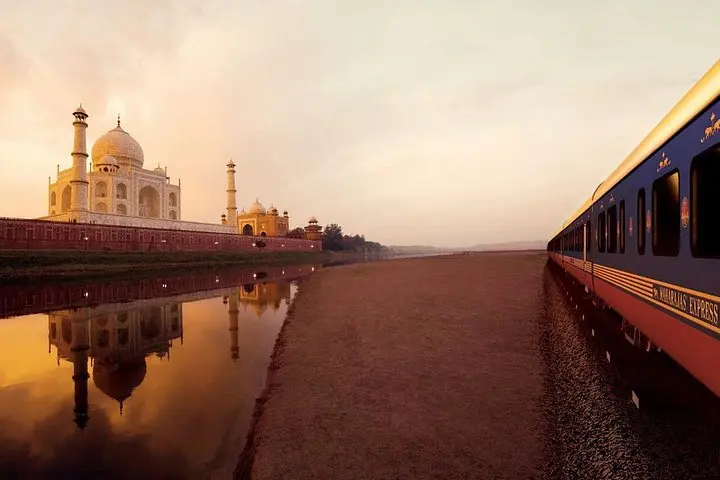
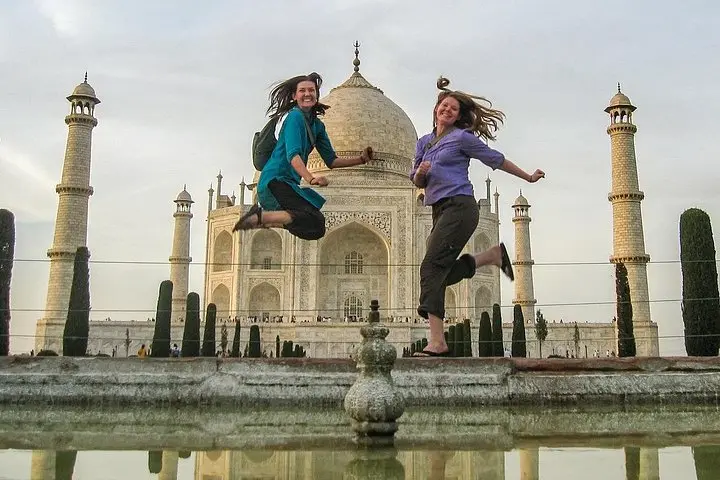
Before dawn the city hums and the Gatimaan Express waits — a silver thread that will stitch New Delhi to Agra in under two hours. Passengers fold themselves into reclining seats as fields and flyovers blur; the Yamuna river appears like a ribbon unspooling toward the white marble that defines Agra's skyline. Arriving mid-morning, the Taj Mahal presents itself in stages: first the garden geometry, then the minarets rising, then the mausoleum’s warmth as light angles across carved pietra dura.
Before dawn the city hums and the Gatimaan Express waits — a silver thread that will stitch New Delhi to Agra in under two hours. Passengers fold themselves into reclining seats as fields and flyovers blur; the Yamuna river appears like a ribbon unspooling toward the white marble that defines Agra's skyline. Arriving mid-morning, the Taj Mahal presents itself in stages: first the garden geometry, then the minarets rising, then the mausoleum’s warmth as light angles across carved pietra dura.
Built by Shah Jahan in the 17th century, the Taj sits within a landscape shaped by the Yamuna's floodplain and centuries of Mughal urban planning. Nearby Mehtab Bagh offers the reverse view—photographers catch reflected light at sunset while Etimad‑ud‑Daulah (the 'Baby Taj') showcases intricate inlay work that prefigures later Mughal detail. Agra Fort, a red sandstone citadel constructed under Akbar, traces the dynasty’s political arc across its palaces and ramparts.
This one-day loop is equal parts railway logistics and slow-site immersion. Expect brisk walking on paved paths, intermittent stairs in heritage sites, and crowds that swell at peak hours. Practicalities matter: carry ID for entry, buy tickets in advance when possible, and plan 1–2 hours at the Taj, an hour at Agra Fort, and flexible time for lunch and Mehtab Bagh. Respect signage — no touching marble, no drones, and keep hydrated in sun-baked months. The trip balances high-speed transit with up-close encounter: a compact, manageable day that turns a technical train link into a concentrated cultural hike through Mughal history.