THE ADVENTURE COLLECTIVE® · Independent discovery and booking for outdoor travel

A full-day, private transfer from Delhi puts you at the Taj Mahal and Agra Fort with a guided visit and lunch. Early starts beat crowds and give the best light for the mausoleum’s marble glow.
A full-day, private transfer from Delhi puts you at the Taj Mahal and Agra Fort with a guided visit and lunch. Early starts beat crowds and give the best light for the mausoleum’s marble glow.
You arrive before the city wakes: the Yamuna moves like a slow decision, mist clinging to its banks while the Taj Mahal's white marble brightens from pearly grey to creamy light. The first steps along the gardens feel calibrated—ordered paths, clipped lawns—until the mausoleum appears, its domes and minarets exhaling centuries of craft.
Verified experiences and guided adventures in the surrounding area.
Operated by Trek India Tours · Agra, Uttar Pradesh
You arrive before the city wakes: the Yamuna moves like a slow decision, mist clinging to its banks while the Taj Mahal's white marble brightens from pearly grey to creamy light. The first steps along the gardens feel calibrated—ordered paths, clipped lawns—until the mausoleum appears, its domes and minarets exhaling centuries of craft.
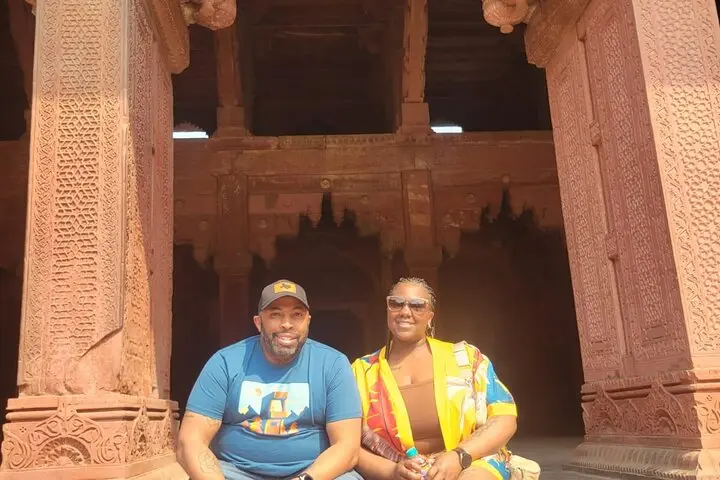
Built by Emperor Shah Jahan in 1632 to house Mumtaz Mahal’s tomb, the Taj sits on a river bend that shaped Agra’s fortunes. The complex’s marble inlay work and calligraphy are examples of Mughal-era geometry and craft; nearby Agra Fort, a short drive away, chronicles the city’s role as a political center before the capital shifted to Delhi. Geologically, the monument’s marble came from Makrana quarries and ages visibly under monsoon and pollution, giving the site a soft, weathered profile.
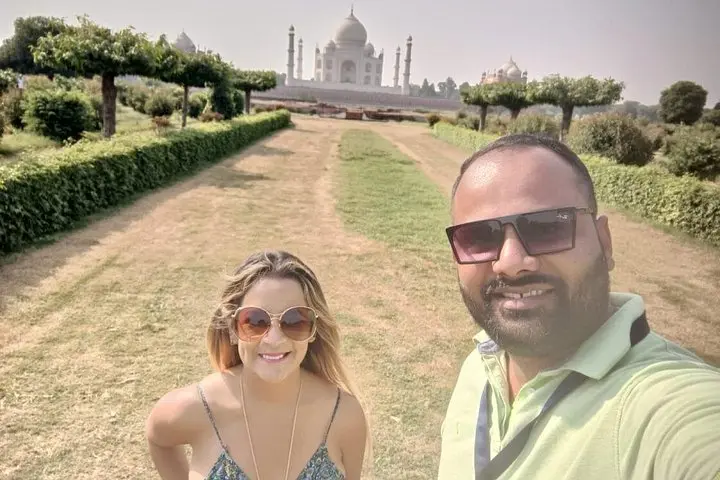
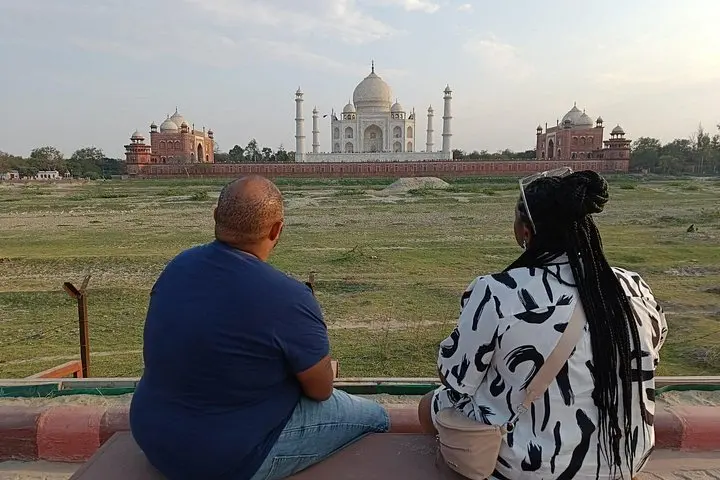
Culturally, the morning ritual—early light, local guides pointing out inscriptions, vendors arranging chai—feels as much a part of the visit as the architecture. Mehtab Bagh across the river offers a quieter perspective if you want to watch the Taj cast its reflection.
Practical guidance: tours run from Delhi with a three-hour drive each way, so plan for a 10-hour day; carry printed or mobile tickets and arrive early to avoid heat and crowds. Wear comfortable walking shoes and modest clothing out of respect; sunscreen and a refillable water bottle will keep you moving. If you prefer fewer people, ask the guide for a sunrise or late-afternoon slot when light and crowds shift dramatically.
Expect about three hours each way by private air-conditioned vehicle; total trip time is roughly 10 hours including visits and lunch.
This tour includes Taj Mahal and Agra Fort entrance when the admission option is selected—confirm your booking option at checkout.
Yes; the tour offers free pickup and drop from Delhi, Gurugram, and Noida—provide your exact pickup point when booking.
Early morning or late afternoon provides the best light and fewer crowds; mid-day is hotter and busier, especially in summer.
Trek India Tours operates guided outdoor trips and adventures with an emphasis on safety, stewardship, and memorable experiences.
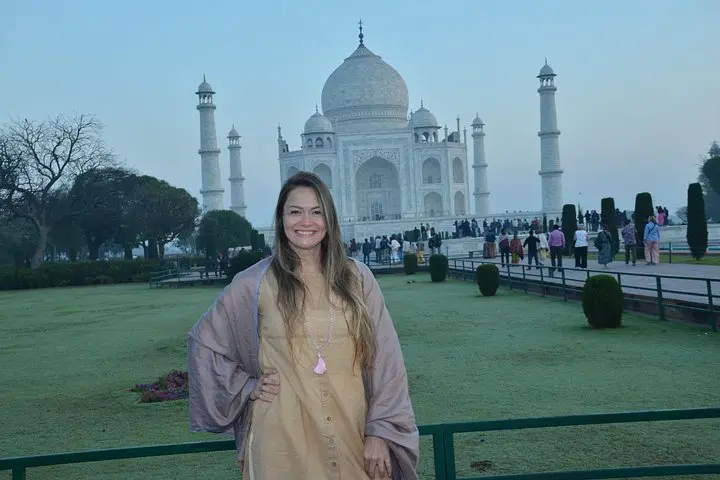
You arrive before the city wakes: the Yamuna moves like a slow decision, mist clinging to its banks while the Taj Mahal's white marble brightens from pearly grey to creamy light. The first steps along the gardens feel calibrated—ordered paths, clipped lawns—until the mausoleum appears, its domes and minarets exhaling centuries of craft.
You arrive before the city wakes: the Yamuna moves like a slow decision, mist clinging to its banks while the Taj Mahal's white marble brightens from pearly grey to creamy light. The first steps along the gardens feel calibrated—ordered paths, clipped lawns—until the mausoleum appears, its domes and minarets exhaling centuries of craft.
Built by Emperor Shah Jahan in 1632 to house Mumtaz Mahal’s tomb, the Taj sits on a river bend that shaped Agra’s fortunes. The complex’s marble inlay work and calligraphy are examples of Mughal-era geometry and craft; nearby Agra Fort, a short drive away, chronicles the city’s role as a political center before the capital shifted to Delhi. Geologically, the monument’s marble came from Makrana quarries and ages visibly under monsoon and pollution, giving the site a soft, weathered profile.
Culturally, the morning ritual—early light, local guides pointing out inscriptions, vendors arranging chai—feels as much a part of the visit as the architecture. Mehtab Bagh across the river offers a quieter perspective if you want to watch the Taj cast its reflection.
Practical guidance: tours run from Delhi with a three-hour drive each way, so plan for a 10-hour day; carry printed or mobile tickets and arrive early to avoid heat and crowds. Wear comfortable walking shoes and modest clothing out of respect; sunscreen and a refillable water bottle will keep you moving. If you prefer fewer people, ask the guide for a sunrise or late-afternoon slot when light and crowds shift dramatically.