THE ADVENTURE COLLECTIVE® · Independent discovery and booking for outdoor travel

Ride the Gatimaan Express for a focused day in Agra: guided time at the Taj Mahal, buffet lunch, and visits to Agra Fort and Itmad‑ud‑Daulah. Ideal for travelers short on time who want efficient logistics and local insight.
Ride the Gatimaan Express for a focused day in Agra: guided time at the Taj Mahal, buffet lunch, and visits to Agra Fort and Itmad‑ud‑Daulah. Ideal for travelers short on time who want efficient logistics and local insight.
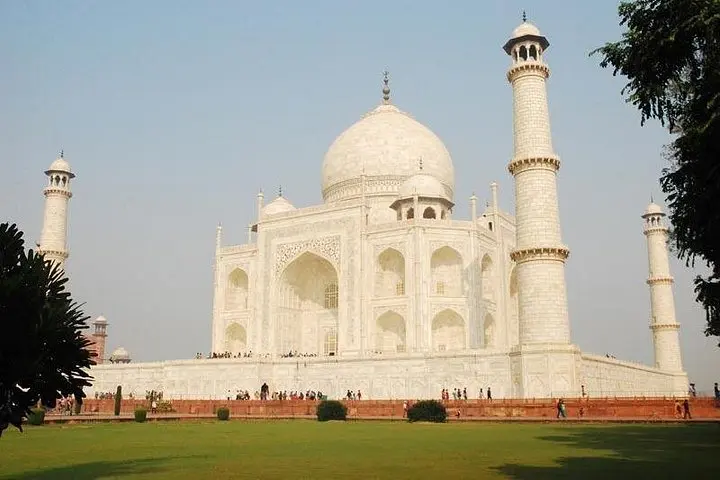
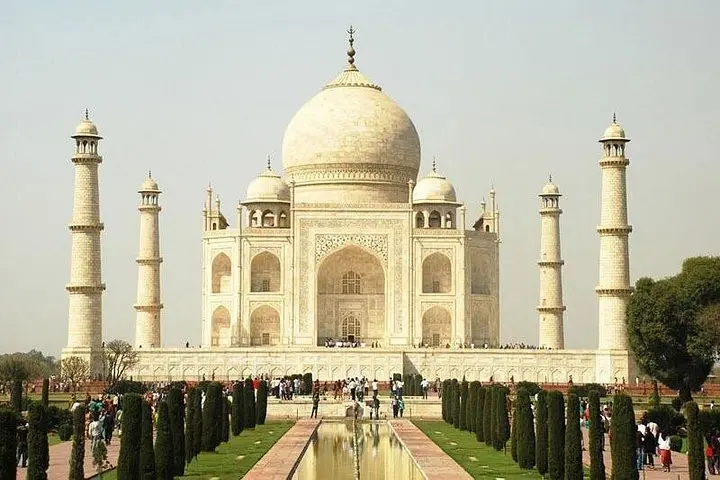
You step off the Gatimaan Express as the station air shifts from train-station bustle to the hush that surrounds the Taj. A short drive across an ancient sweep of Agra’s streets delivers you to the marble forecourt, where the monument’s white facade catches the light and the Yamuna flows, daring you to look past the reflection and into history.
Verified experiences and guided adventures in the surrounding area.
Operated by Luxury India Tour Packages · Agra, Uttar Pradesh
You step off the Gatimaan Express as the station air shifts from train-station bustle to the hush that surrounds the Taj. A short drive across an ancient sweep of Agra’s streets delivers you to the marble forecourt, where the monument’s white facade catches the light and the Yamuna flows, daring you to look past the reflection and into history.
The Taj Mahal was commissioned by Emperor Shah Jahan in the 17th century and remains one of three UNESCO sites in Agra alongside Agra Fort and Itmad‑ud‑Daulah (the so‑called Baby Taj). The region’s geology—alluvial plains carved by the Yamuna—made fine marble transportable during Mughal times and shaped the city’s riverside siting. Local craft traditions still thrive; marble inlay and hand‑block textiles offer a direct link to Mughal workshop techniques.
Expect a guided 2‑hour visit at the Taj, a lunch break at a nearby buffet, and shorter guided stops at Agra Fort and Itmad‑ud‑Daulah. The day is paced around train schedules (Gatimaan Express outbound and return), so timing is strict: arrivals, security lines, and site closures (Taj closed Fridays) govern the flow.
Practical guidance: carry a government ID, wear closed-toe shoes for walking on uneven surfaces, and bring sun protection—shade is sparse. Hydrate; bottled water is provided in the vehicle but refill options are limited inside the monuments. If you want sunrise or longer photography time, consider an overnight stay in Agra instead of a same‑day return. Lastly, support small workshops by buying directly and avoid single‑use plastics to help preserve the monuments and the river that frames them.
No—the Taj Mahal is closed on Fridays for congregational prayers; plan tours on other days.
Yes; the tour includes round‑trip Gatimaan Express chair car tickets and private transfers between the station and sites.
Typical visits allot about 2 hours at the Taj, 1 hour at Agra Fort, and around 30–45 minutes at Itmad‑ud‑Daulah, with lunch in between.
Foreign travelers must carry a valid passport and appropriate Indian visa; domestic ID is required for Indian nationals.
Luxury India Tour Packages operates guided outdoor trips and adventures with an emphasis on safety, stewardship, and memorable experiences.

You step off the Gatimaan Express as the station air shifts from train-station bustle to the hush that surrounds the Taj. A short drive across an ancient sweep of Agra’s streets delivers you to the marble forecourt, where the monument’s white facade catches the light and the Yamuna flows, daring you to look past the reflection and into history.
You step off the Gatimaan Express as the station air shifts from train-station bustle to the hush that surrounds the Taj. A short drive across an ancient sweep of Agra’s streets delivers you to the marble forecourt, where the monument’s white facade catches the light and the Yamuna flows, daring you to look past the reflection and into history.
The Taj Mahal was commissioned by Emperor Shah Jahan in the 17th century and remains one of three UNESCO sites in Agra alongside Agra Fort and Itmad‑ud‑Daulah (the so‑called Baby Taj). The region’s geology—alluvial plains carved by the Yamuna—made fine marble transportable during Mughal times and shaped the city’s riverside siting. Local craft traditions still thrive; marble inlay and hand‑block textiles offer a direct link to Mughal workshop techniques.
Expect a guided 2‑hour visit at the Taj, a lunch break at a nearby buffet, and shorter guided stops at Agra Fort and Itmad‑ud‑Daulah. The day is paced around train schedules (Gatimaan Express outbound and return), so timing is strict: arrivals, security lines, and site closures (Taj closed Fridays) govern the flow.
Practical guidance: carry a government ID, wear closed-toe shoes for walking on uneven surfaces, and bring sun protection—shade is sparse. Hydrate; bottled water is provided in the vehicle but refill options are limited inside the monuments. If you want sunrise or longer photography time, consider an overnight stay in Agra instead of a same‑day return. Lastly, support small workshops by buying directly and avoid single‑use plastics to help preserve the monuments and the river that frames them.