THE ADVENTURE COLLECTIVE® · Independent discovery and booking for outdoor travel
Board an early express from Delhi and return the same evening after guided visits to the Taj Mahal, Agra Fort and the Baby Taj. This full-day service combines efficient train travel with curated monument time—ideal for travelers short on time but keen on context.
Board an early express from Delhi and return the same evening after guided visits to the Taj Mahal, Agra Fort and the Baby Taj. This full-day service combines efficient train travel with curated monument time—ideal for travelers short on time but keen on context.
You step onto Nizamuddin station platform as the morning light slants across steel rails; the train hums, coffee steams in paper cups, and the city slips away. Two hours later Agra appears—its low skyline and the Yamuna waiting like an invitation—and the Taj Mahal first registers as a precise, luminous presence rather than a photograph.
Verified experiences and guided adventures in the surrounding area.
Operated by India Magic Tours · Agra, Uttar Pradesh
You step onto Nizamuddin station platform as the morning light slants across steel rails; the train hums, coffee steams in paper cups, and the city slips away. Two hours later Agra appears—its low skyline and the Yamuna waiting like an invitation—and the Taj Mahal first registers as a precise, luminous presence rather than a photograph.
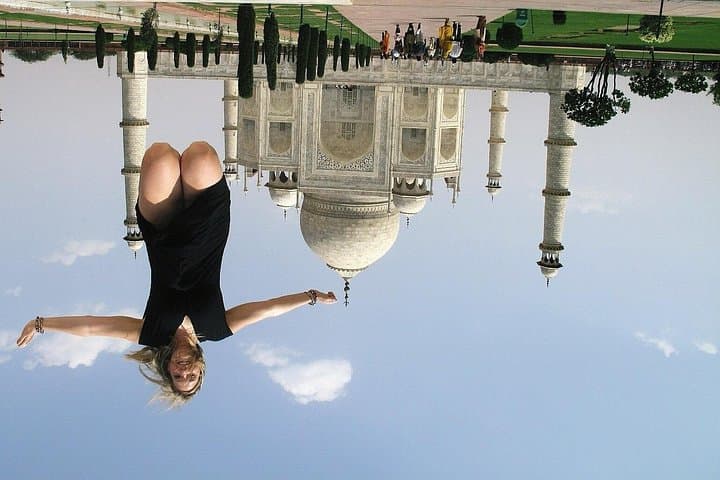
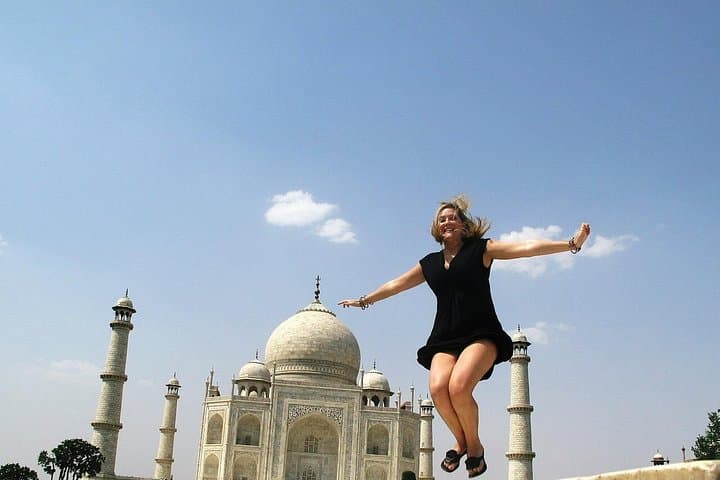
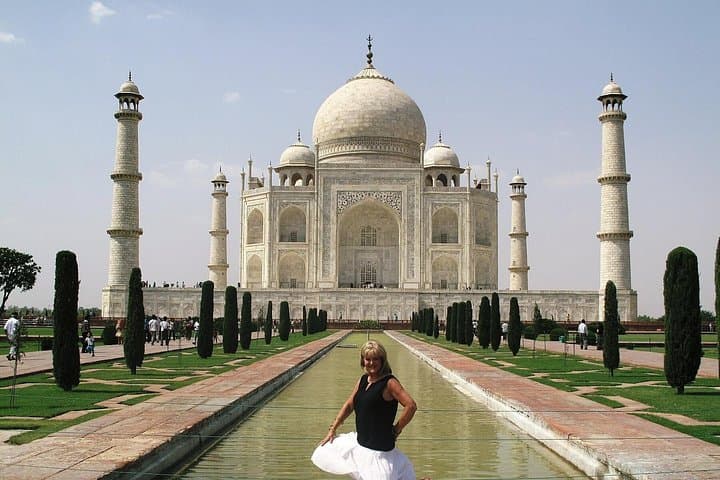
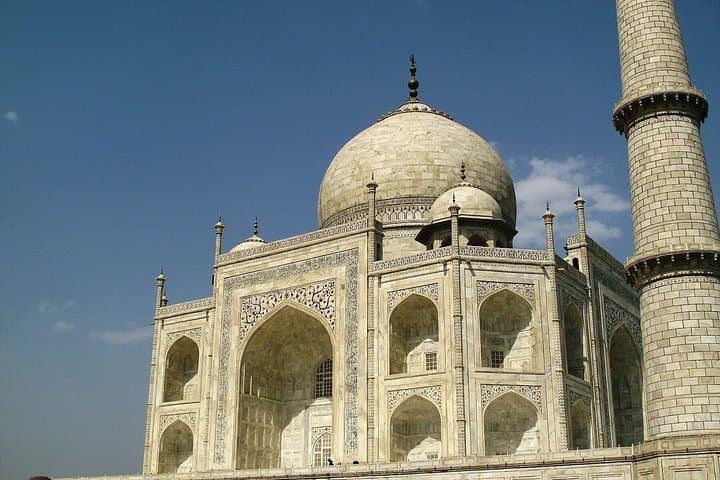
The monument itself was commissioned in 1632 by Shah Jahan and built from white Makrana marble, quarried and transported across the subcontinent. The complex sits on the Yamuna floodplain; the flat alluvial plain amplifies the Taj’s symmetry and the reflective pools that mirror its façade. Nearby Agra Fort, once the Mughal power center, and the smaller Tomb of I'timād-ud-Daulah—often called the Baby Taj—offer layers of imperial history and evolving stonework techniques.
Culture in Agra is tactile: craftsmen carving pietra dura inlay, markets selling petha sweets, and riverside ghats where morning light and local life intersect. Guides on this express-train itinerary will pace your visits to key sites and handle tickets and transport so you can focus on composition, context, and questions about Mughal architecture.
Practical guidance: arrive with comfortable shoes, a modest dress code for monuments, and a plan for heat (early starts are better). Trains are air-conditioned and scheduled round-trip the same day—expect a 12‑hour day from Delhi door-to-door. Allow time at monuments for security checks and photography lines, and carry ID for ticketing. With timing and sensible gear, the express train tour converts a long day into an efficient, memorable primer on Agra’s most iconic sites.
The itinerary is scheduled as a full 12‑hour day (approximately 7:00 AM pickup to 7:00 PM drop-off) including train travel and visits.
There is an option that includes tickets; confirm at booking—your guide typically handles admissions if you select the ticket-included package.
The express train is air-conditioned and seats are reserved; travelers with limited mobility should request assistance and choose accessible options when booking.
October to March offers cooler temperatures and clearer skies; early mornings minimize crowds year-round.
India Magic Tours operates guided outdoor trips and adventures with an emphasis on safety, stewardship, and memorable experiences.
You step onto Nizamuddin station platform as the morning light slants across steel rails; the train hums, coffee steams in paper cups, and the city slips away. Two hours later Agra appears—its low skyline and the Yamuna waiting like an invitation—and the Taj Mahal first registers as a precise, luminous presence rather than a photograph.
You step onto Nizamuddin station platform as the morning light slants across steel rails; the train hums, coffee steams in paper cups, and the city slips away. Two hours later Agra appears—its low skyline and the Yamuna waiting like an invitation—and the Taj Mahal first registers as a precise, luminous presence rather than a photograph.
The monument itself was commissioned in 1632 by Shah Jahan and built from white Makrana marble, quarried and transported across the subcontinent. The complex sits on the Yamuna floodplain; the flat alluvial plain amplifies the Taj’s symmetry and the reflective pools that mirror its façade. Nearby Agra Fort, once the Mughal power center, and the smaller Tomb of I'timād-ud-Daulah—often called the Baby Taj—offer layers of imperial history and evolving stonework techniques.
Culture in Agra is tactile: craftsmen carving pietra dura inlay, markets selling petha sweets, and riverside ghats where morning light and local life intersect. Guides on this express-train itinerary will pace your visits to key sites and handle tickets and transport so you can focus on composition, context, and questions about Mughal architecture.
Practical guidance: arrive with comfortable shoes, a modest dress code for monuments, and a plan for heat (early starts are better). Trains are air-conditioned and scheduled round-trip the same day—expect a 12‑hour day from Delhi door-to-door. Allow time at monuments for security checks and photography lines, and carry ID for ticketing. With timing and sensible gear, the express train tour converts a long day into an efficient, memorable primer on Agra’s most iconic sites.
