THE ADVENTURE COLLECTIVE® · Independent discovery and booking for outdoor travel

Board the Gatimaan Express at dawn and reach Agra in under two hours to experience the Taj Mahal, Agra Fort, and Baby Taj in a single day. This fast-paced rail day trip balances iconic vistas with practical logistics for travelers short on time.
Board the Gatimaan Express at dawn and reach Agra in under two hours to experience the Taj Mahal, Agra Fort, and Baby Taj in a single day. This fast-paced rail day trip balances iconic vistas with practical logistics for travelers short on time.
You step onto Nizamuddin platform before sunrise, the Gatimaan Express humming like a single-minded animal ready to move. In 1 hour 40 minutes the landscape slides by — concrete suburbs give way to sugarcane fields and the Yamuna’s braided channel — and then the Taj appears: a white island on the riverbank catching the morning light.
Verified experiences and guided adventures in the surrounding area.
Operated by VEHERE INDIA · Agra, Uttar Pradesh
You step onto Nizamuddin platform before sunrise, the Gatimaan Express humming like a single-minded animal ready to move. In 1 hour 40 minutes the landscape slides by — concrete suburbs give way to sugarcane fields and the Yamuna’s braided channel — and then the Taj appears: a white island on the riverbank catching the morning light.
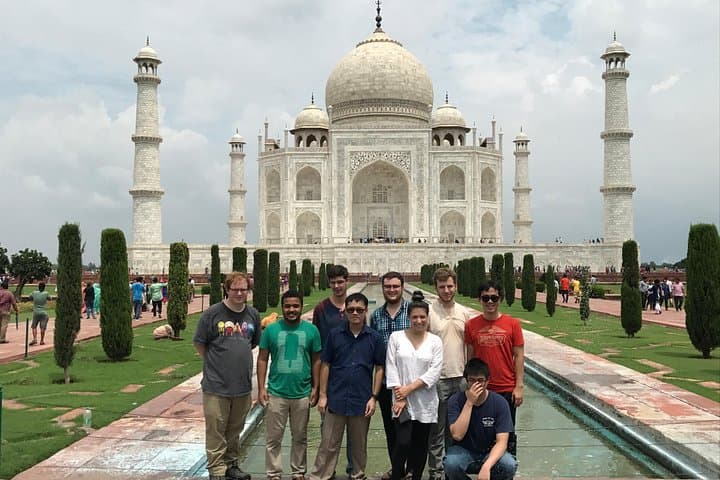
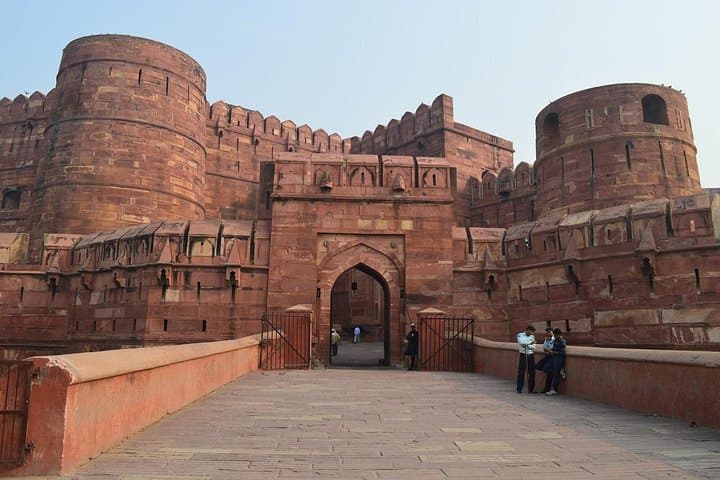
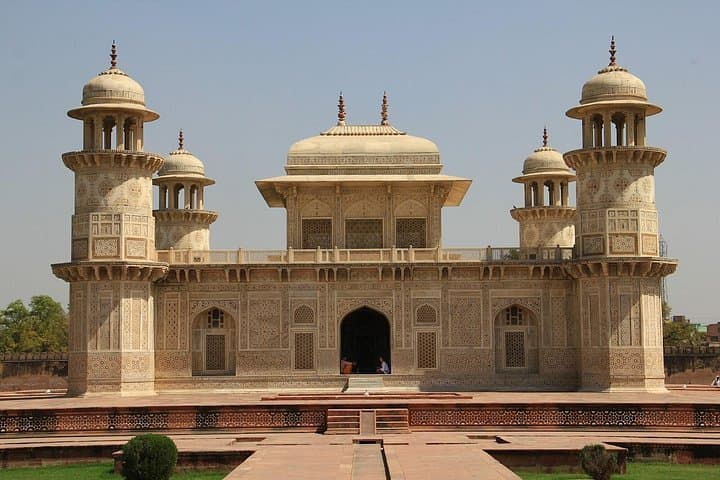
The Taj Mahal was commissioned in 1631 by Shah Jahan as a marble tomb for Mumtaz Mahal, built by some 20,000 artisans over two decades. Agra’s geology is alluvial plains; craftsmen quarried Makrana marble and inlaid it with jasper and lapis for the pietra dura work that defines the façade. Nearby, Agra Fort speaks to Mughal military and court life, while the Baby Taj (Itmad-ud-Daulah) shows an earlier, intimate approach to marble ornamentation. Mehtab Bagh across the river offers an unobstructed reflection point and quieter riverside views.
Practical details matter on a tight schedule: the Gatimaan departs early, takes 100 minutes, and returns in the evening, making this a long but manageable 12–14 hour day. Expect several hours of walking on uneven stone, security lines and photo stops. Bring a valid ID for train and monument entry, wear non-marking shoes for marble surfaces, and plan water and sun protection — shade is limited on the main forecourt. Local guides speed navigation through ticket lines and explain architectural details, while licensed cabs handle station transfers. For quieter photographs, time your visit for early morning light and move to Mehtab Bagh for river-side sunset reflections.
The Gatimaan Express covers the route in approximately 1 hour 40 minutes (100 minutes) between Nizamuddin and Agra Cantonment.
Options include round-trip train tickets and monument entrance fees depending on the booking—confirm at purchase; some packages offer guided entry included.
Key areas have accessible routes, and the tour notes wheelchair accessibility, but expect some marble steps and security checkpoints that may require assistance.
Early morning yields softer light and fewer crowds at the Taj; Mehtab Bagh is best later for river reflections at sunset.
VEHERE INDIA operates guided outdoor trips and adventures with an emphasis on safety, stewardship, and memorable experiences.

You step onto Nizamuddin platform before sunrise, the Gatimaan Express humming like a single-minded animal ready to move. In 1 hour 40 minutes the landscape slides by — concrete suburbs give way to sugarcane fields and the Yamuna’s braided channel — and then the Taj appears: a white island on the riverbank catching the morning light.
You step onto Nizamuddin platform before sunrise, the Gatimaan Express humming like a single-minded animal ready to move. In 1 hour 40 minutes the landscape slides by — concrete suburbs give way to sugarcane fields and the Yamuna’s braided channel — and then the Taj appears: a white island on the riverbank catching the morning light.
The Taj Mahal was commissioned in 1631 by Shah Jahan as a marble tomb for Mumtaz Mahal, built by some 20,000 artisans over two decades. Agra’s geology is alluvial plains; craftsmen quarried Makrana marble and inlaid it with jasper and lapis for the pietra dura work that defines the façade. Nearby, Agra Fort speaks to Mughal military and court life, while the Baby Taj (Itmad-ud-Daulah) shows an earlier, intimate approach to marble ornamentation. Mehtab Bagh across the river offers an unobstructed reflection point and quieter riverside views.
Practical details matter on a tight schedule: the Gatimaan departs early, takes 100 minutes, and returns in the evening, making this a long but manageable 12–14 hour day. Expect several hours of walking on uneven stone, security lines and photo stops. Bring a valid ID for train and monument entry, wear non-marking shoes for marble surfaces, and plan water and sun protection — shade is limited on the main forecourt. Local guides speed navigation through ticket lines and explain architectural details, while licensed cabs handle station transfers. For quieter photographs, time your visit for early morning light and move to Mehtab Bagh for river-side sunset reflections.