THE ADVENTURE COLLECTIVE® · Independent discovery and booking for outdoor travel

Skip the lines and arrive at the Taj Mahal in the soft morning light on a private, guided day trip from Delhi. This practical guide explains what to expect — logistics, timing, and local insights to make the most of your visit.
Skip the lines and arrive at the Taj Mahal in the soft morning light on a private, guided day trip from Delhi. This practical guide explains what to expect — logistics, timing, and local insights to make the most of your visit.
You arrive before the crowds, the marble turning pale gold as the sun climbs above the Yamuna. The air carries the distant call of vendors and the soft murmur of the river; your guide steers you past ticket lines and into the cool hush of the main mausoleum.
Verified experiences and guided adventures in the surrounding area.
Operated by TAJ ONE INDIA · Agra, Uttar Pradesh
You arrive before the crowds, the marble turning pale gold as the sun climbs above the Yamuna. The air carries the distant call of vendors and the soft murmur of the river; your guide steers you past ticket lines and into the cool hush of the main mausoleum.
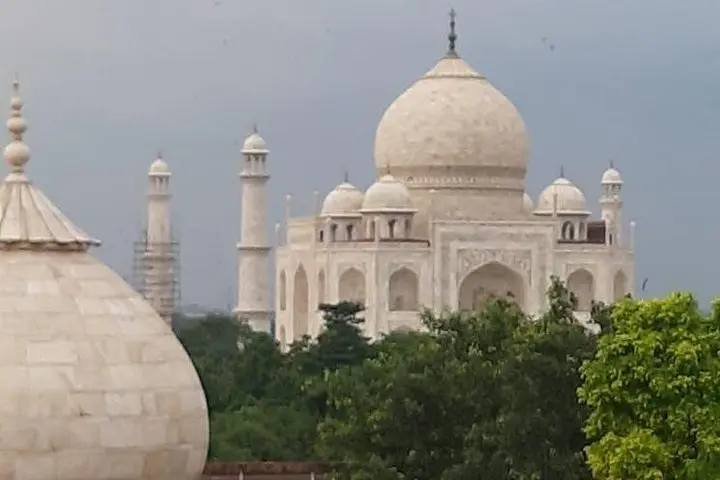
Built between 1632 and 1653 by Emperor Shah Jahan, the Taj Mahal sits on the flat alluvial plain of the Yamuna River — white Makrana marble sitting atop red sandstone plinths, inlaid with pietra dura. Its geometry and calligraphy reflect Mughal funerary traditions and Persian influences; nearby, Agra Fort and the lesser-known Tomb of Itimad-ud-Daulah add layers to the city's imperial story.
Culture here is tactile: coin vendors, saffron chai stalls, and craftsmen repairing marble inlays. Geologically, the monument's luminescence depends on marble condition and the city’s air quality — morning light and clear skies make all the difference.
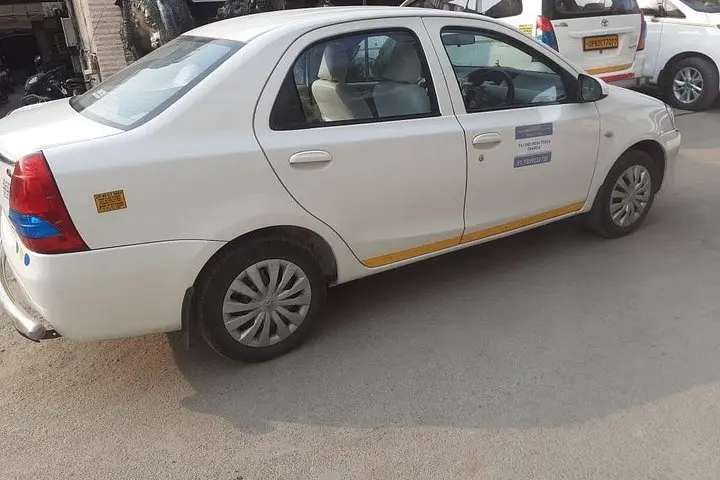
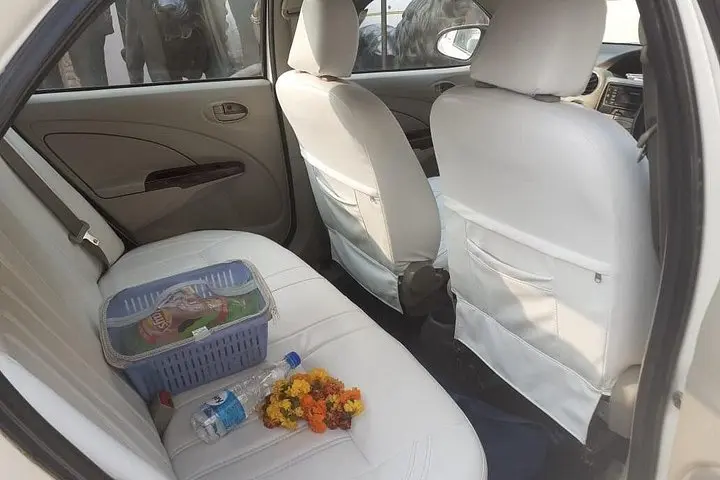
Practical guidance: most full-day private expeditions run 12–14 hours with a round-trip drive from Delhi (~230 km each way). Expect about 2–3 hours on-site with walking on paved and flagged surfaces; bring ID for ticket validation. Early departures avoid heat and smog and let you photograph the Taj in softer light. Dress respectfully — lightweight, breathable fabrics and comfortable walking shoes are best. Hydrate; bottled water is commonly provided by operators but carry extras if you need them between stops.
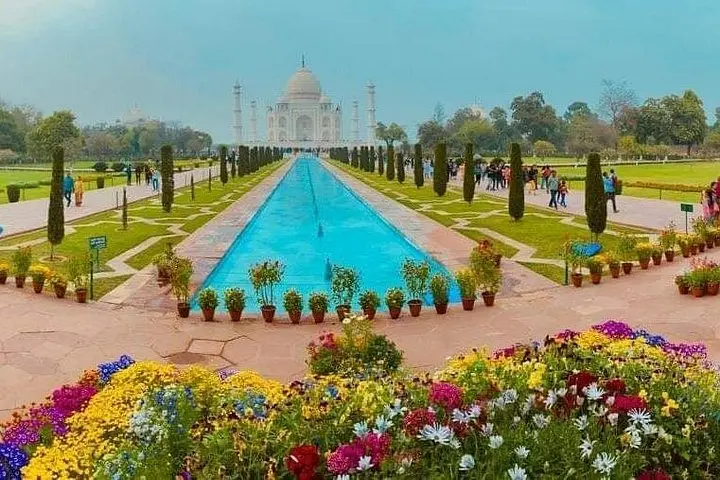
Plan for security checks and modest bag restrictions; photography is allowed but drone use is restricted. If you have mobility concerns, request wheelchair-accessible arrangements in advance. The private format streamlines logistics so you spend more time observing details — the carved jali screens, the symmetry of the gardens — and less time in transit lines.
Yes — non-residents always need a passport for entry; Indian nationals should carry government ID. Tour operators often collect details in advance but keep your document accessible.
Most private expedition packages include monument admission and guide fees; confirm when booking and carry the email confirmation on arrival.
Photography is allowed for tourists without tripods; flash and professional equipment may be restricted, and drone usage is prohibited without special permits.
There are accessible routes and wheelchairs available on request, but some areas have steps and uneven surfaces — notify the operator in advance to arrange assistance.
TAJ ONE INDIA operates guided outdoor trips and adventures with an emphasis on safety, stewardship, and memorable experiences.
You arrive before the crowds, the marble turning pale gold as the sun climbs above the Yamuna. The air carries the distant call of vendors and the soft murmur of the river; your guide steers you past ticket lines and into the cool hush of the main mausoleum.
You arrive before the crowds, the marble turning pale gold as the sun climbs above the Yamuna. The air carries the distant call of vendors and the soft murmur of the river; your guide steers you past ticket lines and into the cool hush of the main mausoleum.
Built between 1632 and 1653 by Emperor Shah Jahan, the Taj Mahal sits on the flat alluvial plain of the Yamuna River — white Makrana marble sitting atop red sandstone plinths, inlaid with pietra dura. Its geometry and calligraphy reflect Mughal funerary traditions and Persian influences; nearby, Agra Fort and the lesser-known Tomb of Itimad-ud-Daulah add layers to the city's imperial story.
Culture here is tactile: coin vendors, saffron chai stalls, and craftsmen repairing marble inlays. Geologically, the monument's luminescence depends on marble condition and the city’s air quality — morning light and clear skies make all the difference.
Practical guidance: most full-day private expeditions run 12–14 hours with a round-trip drive from Delhi (~230 km each way). Expect about 2–3 hours on-site with walking on paved and flagged surfaces; bring ID for ticket validation. Early departures avoid heat and smog and let you photograph the Taj in softer light. Dress respectfully — lightweight, breathable fabrics and comfortable walking shoes are best. Hydrate; bottled water is commonly provided by operators but carry extras if you need them between stops.
Plan for security checks and modest bag restrictions; photography is allowed but drone use is restricted. If you have mobility concerns, request wheelchair-accessible arrangements in advance. The private format streamlines logistics so you spend more time observing details — the carved jali screens, the symmetry of the gardens — and less time in transit lines.