THE ADVENTURE COLLECTIVE® · Independent discovery and booking for outdoor travel

Watch the Taj Mahal at sunrise and sleep in Agra on this private 2-day tour from Delhi. Explore Agra Fort, the ‘Baby Taj’ at Itmad-ud-Daulah, sunset from Mehtab Bagh and the red sandstone streets of Fatehpur Sikri.
Watch the Taj Mahal at sunrise and sleep in Agra on this private 2-day tour from Delhi. Explore Agra Fort, the ‘Baby Taj’ at Itmad-ud-Daulah, sunset from Mehtab Bagh and the red sandstone streets of Fatehpur Sikri.
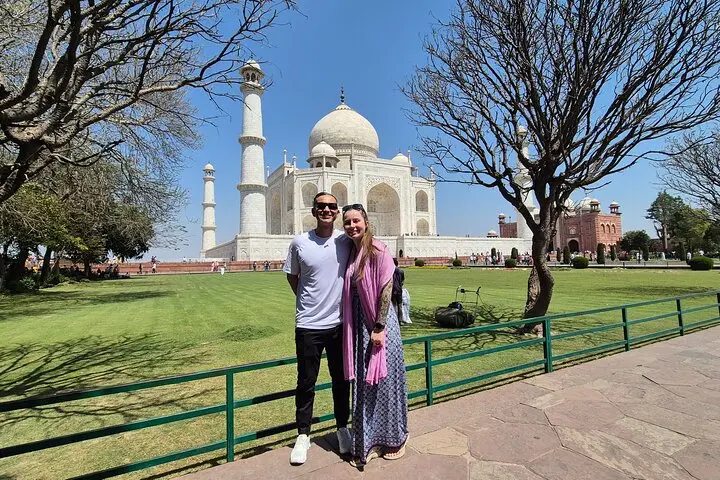
Dawn finds the marble glow easing into day: a low-slung mist lifts off the Yamuna and the Taj Mahal’s silhouette sharpens against a pale sky. Travelers awake in Agra after a late drive from Delhi, stepping into the soft hush that makes sunrise here feel like an invitation.
Verified experiences and guided adventures in the surrounding area.
Operated by Aiza tours · Agra, Uttar Pradesh
Dawn finds the marble glow easing into day: a low-slung mist lifts off the Yamuna and the Taj Mahal’s silhouette sharpens against a pale sky. Travelers awake in Agra after a late drive from Delhi, stepping into the soft hush that makes sunrise here feel like an invitation.
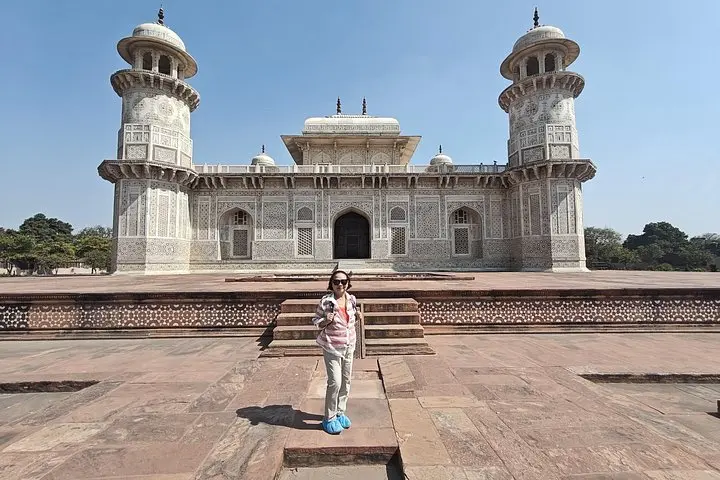
This two-day loop threads Mughal history through living streets. Day one visits Agra Fort’s red sandstone ramparts and the delicate pietra dura of Itmad-ud-Daulah, a precursor to the Taj. Mehtab Bagh across the river frames sunset views, where the Yamuna reflects the monument’s outline. On day two, an early guided entry times your visit for the most photographic light, then the tour continues to Fatehpur Sikri — Akbar’s abandoned red sandstone capital that mixes Islamic and Hindu forms and sits about 40 km west of Agra.
Geology here is simple: alluvial plains and the slow flow of the Yamuna created the flat setting that allowed wide ceremonial gardens and expansive fortifications. Culturally, Agra remains a center for marble inlay and leather goods, with bazaars where craftsmen still work by hand.
Practical guidance: expect roughly a 3–4 hour drive from Delhi on the Yamuna Expressway (about 200–230 km). Bring early-rising patience for security queues at the Taj, a government ID for ticket checks, and modest clothing for mosque areas. Lightweight shoes are best for walking across marble and uneven red-sandstone courtyards. Hydrate — northern India can be very hot from April to June — and reserve camera batteries and memory for the sunrise window. The trip includes private AC transport, a live guide, one night’s accommodation with breakfast, and scheduled admissions per the itinerary.
The itinerary lists admissions for Agra Fort, Itmad-ud-Daulah, Mehtab Bagh and Fatehpur Sikri and includes the scheduled Taj Mahal sunrise visit—confirm included tickets on your booking voucher.
Via the Yamuna Expressway the drive is typically 3–4 hours (about 200–230 km) depending on traffic and departure point in Delhi.
The tour notes wheelchair accessibility for transport and some surfaces, but major monuments have steps and uneven areas—check specific accessibility needs with the operator before booking.
Yes—drop-off at Delhi airport, hotels or another requested location is offered as part of the itinerary; give arrival/departure details at booking.
Aiza tours operates guided outdoor trips and adventures with an emphasis on safety, stewardship, and memorable experiences.

Dawn finds the marble glow easing into day: a low-slung mist lifts off the Yamuna and the Taj Mahal’s silhouette sharpens against a pale sky. Travelers awake in Agra after a late drive from Delhi, stepping into the soft hush that makes sunrise here feel like an invitation.
Dawn finds the marble glow easing into day: a low-slung mist lifts off the Yamuna and the Taj Mahal’s silhouette sharpens against a pale sky. Travelers awake in Agra after a late drive from Delhi, stepping into the soft hush that makes sunrise here feel like an invitation.
This two-day loop threads Mughal history through living streets. Day one visits Agra Fort’s red sandstone ramparts and the delicate pietra dura of Itmad-ud-Daulah, a precursor to the Taj. Mehtab Bagh across the river frames sunset views, where the Yamuna reflects the monument’s outline. On day two, an early guided entry times your visit for the most photographic light, then the tour continues to Fatehpur Sikri — Akbar’s abandoned red sandstone capital that mixes Islamic and Hindu forms and sits about 40 km west of Agra.
Geology here is simple: alluvial plains and the slow flow of the Yamuna created the flat setting that allowed wide ceremonial gardens and expansive fortifications. Culturally, Agra remains a center for marble inlay and leather goods, with bazaars where craftsmen still work by hand.
Practical guidance: expect roughly a 3–4 hour drive from Delhi on the Yamuna Expressway (about 200–230 km). Bring early-rising patience for security queues at the Taj, a government ID for ticket checks, and modest clothing for mosque areas. Lightweight shoes are best for walking across marble and uneven red-sandstone courtyards. Hydrate — northern India can be very hot from April to June — and reserve camera batteries and memory for the sunrise window. The trip includes private AC transport, a live guide, one night’s accommodation with breakfast, and scheduled admissions per the itinerary.