THE ADVENTURE COLLECTIVE® · Independent discovery and booking for outdoor travel

Catch the Taj Mahal twice—first in the cool hush of sunrise and again at sunset—on a two‑day private tour from Delhi that pairs marble masterpieces with Agra Fort and the ghost city of Fatehpur Sikri. A timed itinerary, private guide and overnight in Agra make it easy to focus on light, history and local flavor.
Catch the Taj Mahal twice—first in the cool hush of sunrise and again at sunset—on a two‑day private tour from Delhi that pairs marble masterpieces with Agra Fort and the ghost city of Fatehpur Sikri. A timed itinerary, private guide and overnight in Agra make it easy to focus on light, history and local flavor.
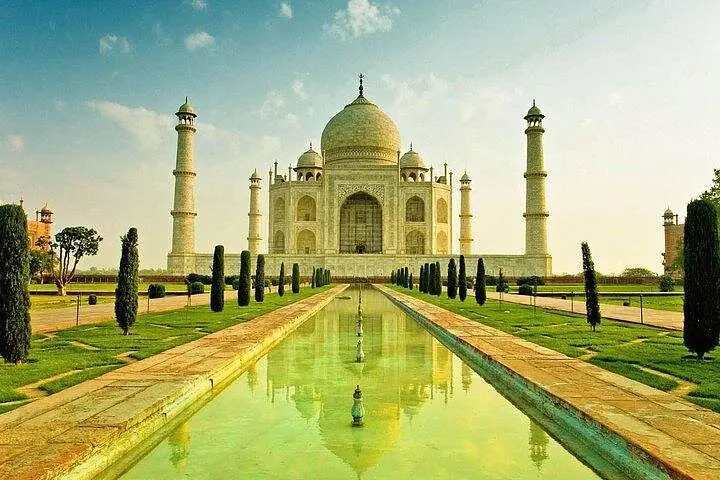
You meet the driver in the dim blue of pre-dawn Delhi and the highway unspools beneath an air‑conditioned vehicle, a ribbon of asphalt leading toward the white marble silhouette on the Yamuna’s bank. By sunrise the Taj Mahal appears like a living shape—cool stone absorbing the first light—then again at sunset it reads warmer, the monument changing faces while the river carefully mirrors it.
Verified experiences and guided adventures in the surrounding area.
Operated by Wonderful Holidays · Agra, Uttar Pradesh
You meet the driver in the dim blue of pre-dawn Delhi and the highway unspools beneath an air‑conditioned vehicle, a ribbon of asphalt leading toward the white marble silhouette on the Yamuna’s bank. By sunrise the Taj Mahal appears like a living shape—cool stone absorbing the first light—then again at sunset it reads warmer, the monument changing faces while the river carefully mirrors it.
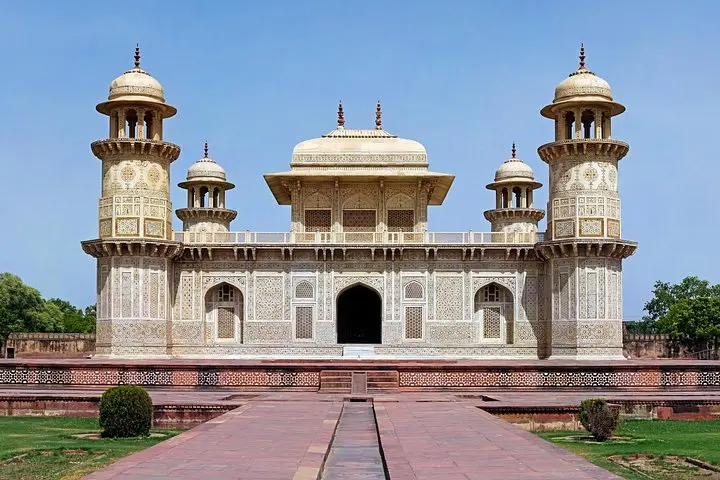
This two‑day private itinerary threads Mughal history, imperial architecture and planned garden city‑planning: Agra Fort’s red sandstone ramparts speak of 16th–17th century power, Itmad‑ud‑Daulah (the “Baby Taj”) shows early marble inlay work, and Fatehpur Sikri is a deserted royal capital whose courtyards reveal the period’s social structure and inventive stone carving. Geologically the region is alluvial plain—flat river terraces that made the riverbank an ideal funerary site—and the Yamuna’s shifting course has shaped how visitors view the tomb and its gardens.
Locally, guides will point out artisans in markets, Mughlai dishes to sample, and Mehtab Bagh across the river for a calmer perspective at dusk.
Practical guidance: expect two short walking sessions with stairs and security checks; bring ID for ticket purchase, arrive before gate opening to catch sunrise light, and budget for entrance fees and optional guide permissions. Wear sun protection in summer and a warm layer in winter fog. The tour is vehicle‑based with hotel pickup in Delhi and an overnight in Agra—ideal for travelers who want focused time at the Taj without the logistics stress of independent transport.
Admission fees are typically not included—confirm with the operator. The guide or driver can often assist buying tickets locally before entry.
Yes; this itinerary schedules a sunrise visit to the Taj on day two and a sunset viewpoint (Mehtab Bagh or riverside) on day one to maximize light and reduce crowds.
Many public areas and transport are wheelchair accessible, but some monument sections have steps and limited ramp access—ask the operator about specific assistance needs.
Pickup times vary by hotel and season; the listing schedules morning departure for Agra and a pre‑dawn rendezvous (around 5:45 AM) for the sunrise visit—confirm exact times when booking.
Wonderful Holidays operates guided outdoor trips and adventures with an emphasis on safety, stewardship, and memorable experiences.

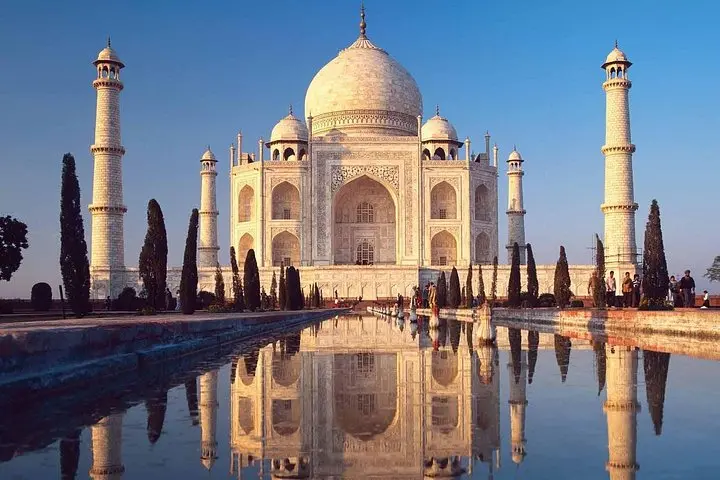
You meet the driver in the dim blue of pre-dawn Delhi and the highway unspools beneath an air‑conditioned vehicle, a ribbon of asphalt leading toward the white marble silhouette on the Yamuna’s bank. By sunrise the Taj Mahal appears like a living shape—cool stone absorbing the first light—then again at sunset it reads warmer, the monument changing faces while the river carefully mirrors it.
You meet the driver in the dim blue of pre-dawn Delhi and the highway unspools beneath an air‑conditioned vehicle, a ribbon of asphalt leading toward the white marble silhouette on the Yamuna’s bank. By sunrise the Taj Mahal appears like a living shape—cool stone absorbing the first light—then again at sunset it reads warmer, the monument changing faces while the river carefully mirrors it.
This two‑day private itinerary threads Mughal history, imperial architecture and planned garden city‑planning: Agra Fort’s red sandstone ramparts speak of 16th–17th century power, Itmad‑ud‑Daulah (the “Baby Taj”) shows early marble inlay work, and Fatehpur Sikri is a deserted royal capital whose courtyards reveal the period’s social structure and inventive stone carving. Geologically the region is alluvial plain—flat river terraces that made the riverbank an ideal funerary site—and the Yamuna’s shifting course has shaped how visitors view the tomb and its gardens.
Locally, guides will point out artisans in markets, Mughlai dishes to sample, and Mehtab Bagh across the river for a calmer perspective at dusk.
Practical guidance: expect two short walking sessions with stairs and security checks; bring ID for ticket purchase, arrive before gate opening to catch sunrise light, and budget for entrance fees and optional guide permissions. Wear sun protection in summer and a warm layer in winter fog. The tour is vehicle‑based with hotel pickup in Delhi and an overnight in Agra—ideal for travelers who want focused time at the Taj without the logistics stress of independent transport.