THE ADVENTURE COLLECTIVE® · Independent discovery and booking for outdoor travel

Catch the Taj Mahal as dawn paints the marble in gold and shadow. This guided sunrise tour pairs a local expert and professional photographer to maximize light, context, and photography while avoiding the midday crowds.
Catch the Taj Mahal as dawn paints the marble in gold and shadow. This guided sunrise tour pairs a local expert and professional photographer to maximize light, context, and photography while avoiding the midday crowds.
You arrive before first light, the marble of the Taj Mahal a cool, pale presence on the riverbank while the Yamuna breathes slow and dark behind it. Dawn slips across the dome and minarets, turning white marble to a warm, honeyed tone; a professional photographer positions you to catch that first ridge of light while your guide frames stories of emperors and engineers.
Verified experiences and guided adventures in the surrounding area.
Operated by Wow Tour Guide · Agra, Uttar Pradesh
You arrive before first light, the marble of the Taj Mahal a cool, pale presence on the riverbank while the Yamuna breathes slow and dark behind it. Dawn slips across the dome and minarets, turning white marble to a warm, honeyed tone; a professional photographer positions you to catch that first ridge of light while your guide frames stories of emperors and engineers.
The complex itself is a 17th‑century Mughal composition—gardens, reflecting pools, inlaid pietra dura and calligraphy that narrate imperial grief and ambition. Geologically, the Taj sits on alluvial plains beside the Yamuna; the flat horizon is why the monument reads so sharply against the sky. Culturally, the site is both mausoleum and magnet—rituals of remembrance meet a steady current of visitors and vendors that shape each visit.
Expect an intimate blend of history and technique: the guide explains construction phases and symbolism while the photographer advises on light, angles, and which lenses to use. The tour commonly pairs the sunrise window at the main gate with timed visits to Agra Fort, Itmad‑ud‑Daulah and Mehtab Bagh across the river for layered perspectives of the Taj.
Practicalities matter: security checks, bag restrictions and potential shoe coverings make fast, light gear preferable. Early hours are cooler and less crowded but book through an operator who handles entry and hotel transfers; local drivers know the timing and gate rotations. Hydrate, wear sun protection, and keep a neutral, respectful dress code for a smoother visit. With planning, the dawn show at the Taj becomes not just a photo, but a clear, memorable encounter with one of the world’s most photographed monuments.
Ticket inclusion varies by booking option—confirm with the operator; many tours can include or arrange priority entry when selected.
Tripod policies can be restrictive; check with your guide—professional photographers on organized tours usually have permits or alternative arrangements.
The site has made accessibility improvements and many tours can accommodate mobility needs, but confirm specifics and vehicle access when booking.
Drones are prohibited near the Taj Mahal without special permissions from Indian authorities; do not plan drone flights unless cleared in advance.
Wow Tour Guide operates guided outdoor trips and adventures with an emphasis on safety, stewardship, and memorable experiences.
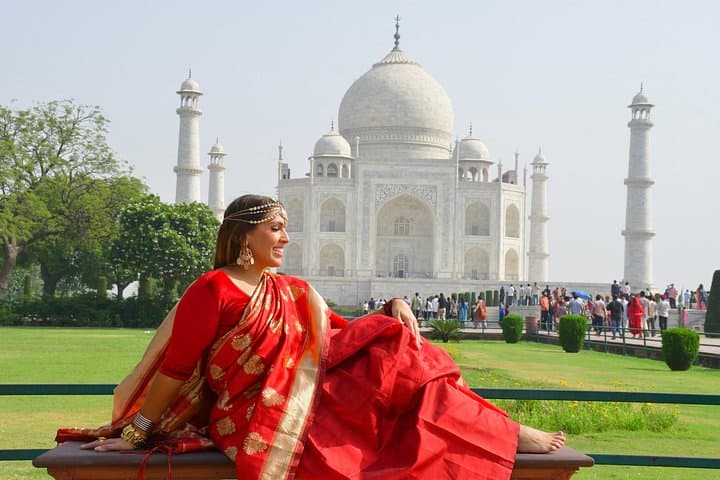
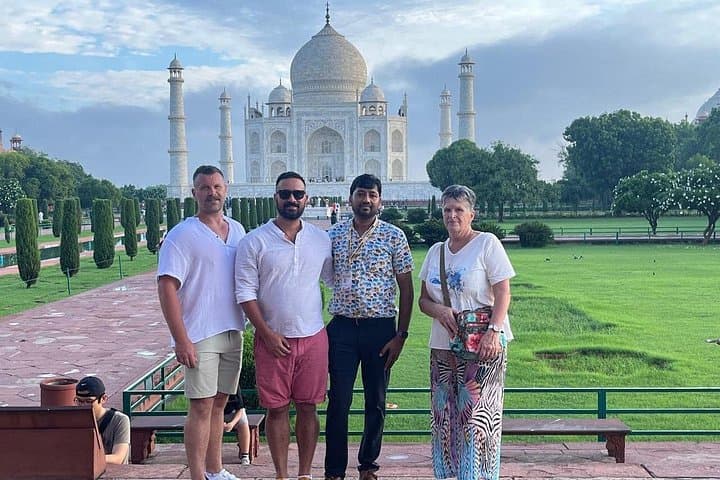
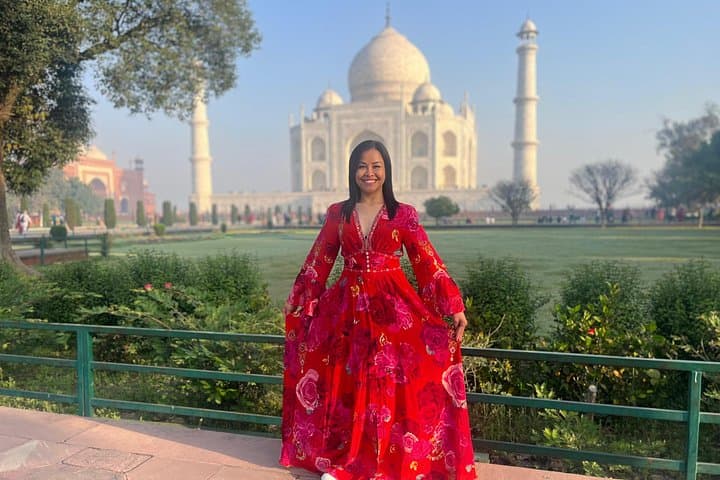
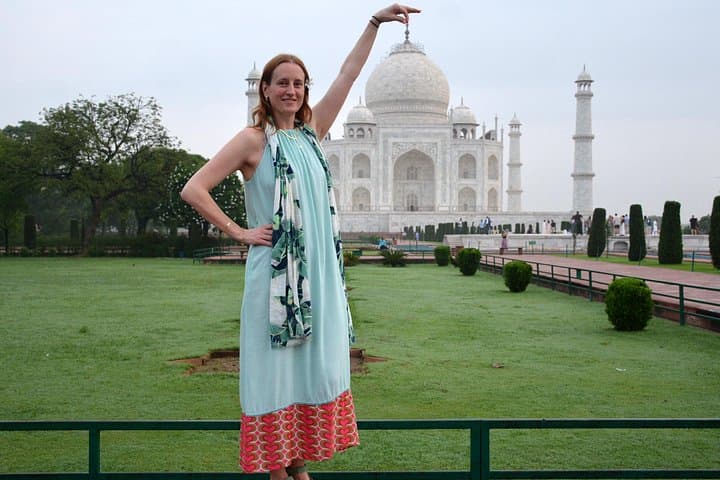
You arrive before first light, the marble of the Taj Mahal a cool, pale presence on the riverbank while the Yamuna breathes slow and dark behind it. Dawn slips across the dome and minarets, turning white marble to a warm, honeyed tone; a professional photographer positions you to catch that first ridge of light while your guide frames stories of emperors and engineers.
You arrive before first light, the marble of the Taj Mahal a cool, pale presence on the riverbank while the Yamuna breathes slow and dark behind it. Dawn slips across the dome and minarets, turning white marble to a warm, honeyed tone; a professional photographer positions you to catch that first ridge of light while your guide frames stories of emperors and engineers.
The complex itself is a 17th‑century Mughal composition—gardens, reflecting pools, inlaid pietra dura and calligraphy that narrate imperial grief and ambition. Geologically, the Taj sits on alluvial plains beside the Yamuna; the flat horizon is why the monument reads so sharply against the sky. Culturally, the site is both mausoleum and magnet—rituals of remembrance meet a steady current of visitors and vendors that shape each visit.
Expect an intimate blend of history and technique: the guide explains construction phases and symbolism while the photographer advises on light, angles, and which lenses to use. The tour commonly pairs the sunrise window at the main gate with timed visits to Agra Fort, Itmad‑ud‑Daulah and Mehtab Bagh across the river for layered perspectives of the Taj.
Practicalities matter: security checks, bag restrictions and potential shoe coverings make fast, light gear preferable. Early hours are cooler and less crowded but book through an operator who handles entry and hotel transfers; local drivers know the timing and gate rotations. Hydrate, wear sun protection, and keep a neutral, respectful dress code for a smoother visit. With planning, the dawn show at the Taj becomes not just a photo, but a clear, memorable encounter with one of the world’s most photographed monuments.