THE ADVENTURE COLLECTIVE® · Independent discovery and booking for outdoor travel

Nine days that move from Delhi’s historic streets to Agra’s marble wonder, into Ranthambore’s tiger country and down to Goa’s beaches. Expect early safaris, bustling markets, and a mix of Mughal and coastal cultures.
Nine days that move from Delhi’s historic streets to Agra’s marble wonder, into Ranthambore’s tiger country and down to Goa’s beaches. Expect early safaris, bustling markets, and a mix of Mughal and coastal cultures.
The tour opens in the clamoring lanes of Old Delhi where rickshaw bells and spice-scented air push you forward into a day of forts and bazaars. Morning light picks out the red sandstone of the Red Fort; later the white marble of the Taj Mahal glows like a held breath beside the Yamuna. By day four the landscape changes — dry scrub and rocky outcrops of the Aravalli flank Ranthambore, where the jungle waits with slow patience and the tiger’s silhouette is a moment to seize. The final act is Goa: palm-fringed sand, the lazy push of waves, and a very different cultural imprint left by 450 years of Portuguese rule.
Verified experiences and guided adventures in the surrounding area.
Operated by Trip India Hotels & Holidays - Best Hotels In Nubra · New Delhi, Delhi
The tour opens in the clamoring lanes of Old Delhi where rickshaw bells and spice-scented air push you forward into a day of forts and bazaars. Morning light picks out the red sandstone of the Red Fort; later the white marble of the Taj Mahal glows like a held breath beside the Yamuna. By day four the landscape changes — dry scrub and rocky outcrops of the Aravalli flank Ranthambore, where the jungle waits with slow patience and the tiger’s silhouette is a moment to seize. The final act is Goa: palm-fringed sand, the lazy push of waves, and a very different cultural imprint left by 450 years of Portuguese rule.
This route threads Mughal history (Shah Jahan’s Taj, Akbar’s Agra Fort and Fatehpur Sikri), colonial-era planning in Lutyens’ New Delhi, and the geology of north India’s alluvial plains meeting the older Aravalli range. Expect busy markets in Chandni Chowk, marble workshops in Agra, and guarded wildlife corridors in Ranthambore. Local insights include negotiating rickshaws, morning safaris timed for predator activity, and sampling regional breakfasts from parathas to Goan fish curry.
Practical guidance: carry original passport copies and a valid visa, plan for long road transfers and multiple hotel changes, and book the two included safaris early in the morning for best sightings. Bring a telephoto lens, sun protection, and lightweight layers for cool early starts. Respect park rules — stay with your guide, keep noise low, and don’t feed wildlife; these choices keep both animals and visitors safe.
Yes; most nationalities must hold a valid Indian visa before arrival—check e-visa eligibility well in advance.
No safari can guarantee sightings; morning and evening drives maximize chances, and guides use local knowledge to improve outcomes.
The itinerary notes infants must sit on laps and the trip isn’t recommended for pregnant travelers; families with children should consider long drives and early starts before booking.
Indian rupees are standard; tipping is customary for drivers, guides, and hotel staff—small, situational tips are expected and appreciated.
Trip India Hotels & Holidays - Best Hotels In Nubra operates guided outdoor trips and adventures with an emphasis on safety, stewardship, and memorable experiences.

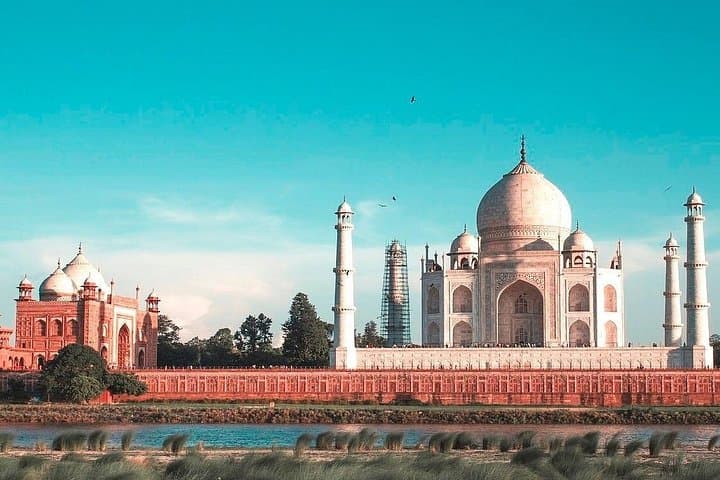


The tour opens in the clamoring lanes of Old Delhi where rickshaw bells and spice-scented air push you forward into a day of forts and bazaars. Morning light picks out the red sandstone of the Red Fort; later the white marble of the Taj Mahal glows like a held breath beside the Yamuna. By day four the landscape changes — dry scrub and rocky outcrops of the Aravalli flank Ranthambore, where the jungle waits with slow patience and the tiger’s silhouette is a moment to seize. The final act is Goa: palm-fringed sand, the lazy push of waves, and a very different cultural imprint left by 450 years of Portuguese rule.
The tour opens in the clamoring lanes of Old Delhi where rickshaw bells and spice-scented air push you forward into a day of forts and bazaars. Morning light picks out the red sandstone of the Red Fort; later the white marble of the Taj Mahal glows like a held breath beside the Yamuna. By day four the landscape changes — dry scrub and rocky outcrops of the Aravalli flank Ranthambore, where the jungle waits with slow patience and the tiger’s silhouette is a moment to seize. The final act is Goa: palm-fringed sand, the lazy push of waves, and a very different cultural imprint left by 450 years of Portuguese rule.
This route threads Mughal history (Shah Jahan’s Taj, Akbar’s Agra Fort and Fatehpur Sikri), colonial-era planning in Lutyens’ New Delhi, and the geology of north India’s alluvial plains meeting the older Aravalli range. Expect busy markets in Chandni Chowk, marble workshops in Agra, and guarded wildlife corridors in Ranthambore. Local insights include negotiating rickshaws, morning safaris timed for predator activity, and sampling regional breakfasts from parathas to Goan fish curry.
Practical guidance: carry original passport copies and a valid visa, plan for long road transfers and multiple hotel changes, and book the two included safaris early in the morning for best sightings. Bring a telephoto lens, sun protection, and lightweight layers for cool early starts. Respect park rules — stay with your guide, keep noise low, and don’t feed wildlife; these choices keep both animals and visitors safe.