THE ADVENTURE COLLECTIVE® · Independent discovery and booking for outdoor travel

Cycle through Tajimi’s ceramic quarter on an electric-bike tour that pairs hands-on kiln visits with temple architecture and contemporary Mino ware. Expect about 4–5 hours of riding, guided stops at Suigetsugama and Eihōji Temple, and a lunch served on local pottery.
Cycle through Tajimi’s ceramic quarter on an electric-bike tour that pairs hands-on kiln visits with temple architecture and contemporary Mino ware. Expect about 4–5 hours of riding, guided stops at Suigetsugama and Eihōji Temple, and a lunch served on local pottery.
You push off a quiet street in Tajimi and the town answers with a clack of bicycle tires on stone, the air carrying faint kiln smoke and the scent of river water. Electric assistance eases the first climb, and before long low tile roofs and small workshops open up—pots on benches, a shopkeeper painting a plate by hand, and the green roofs of Eihōji Temple rising among maples.
Verified experiences and guided adventures in the surrounding area.
Operated by Tourism Designers Co., Ltd. · Tajimi, Gifu Prefecture
You push off a quiet street in Tajimi and the town answers with a clack of bicycle tires on stone, the air carrying faint kiln smoke and the scent of river water. Electric assistance eases the first climb, and before long low tile roofs and small workshops open up—pots on benches, a shopkeeper painting a plate by hand, and the green roofs of Eihōji Temple rising among maples.
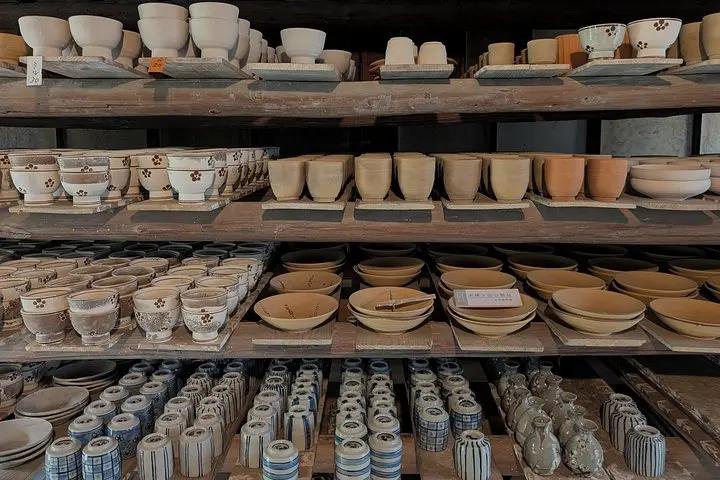
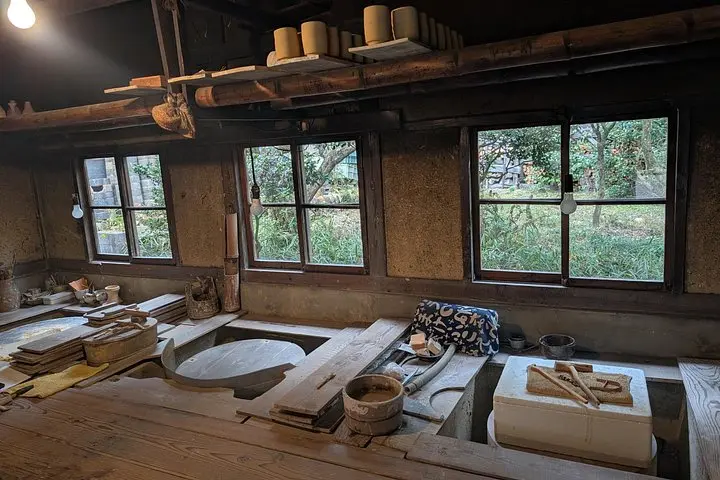
Mino ware has shaped this region for centuries: local clays and kilns like the noborigama (climbing kiln) fueled pottery styles from the Momoyama period to modern ceramics. Arakawa Toyozo’s legacy lives in Suigetsugama, where you’ll watch clay become form and flame—an industrial process that still depends on careful hands. THE GROUND MINO and Oribe Street show the continuum from historic glazing techniques to contemporary tableware, while Eihōji’s 700‑year halls anchor the tour in local culture and religion.
Practical notes: the full loop runs about 20–25 km with roughly 150–250 m of cumulative elevation—mostly gentle rises—and takes about 4–5 hours with stops. Electric bikes are supplied, but basic bike-handling skills and a moderate fitness level make the day easier. Wear closed-toe shoes, bring a refillable water bottle, and carry small cash for shops. Be mindful of temple etiquette, give artisans space during demonstrations, and plan for midday heat in summer or sudden showers in the rainy season.
This ride mixes hands-on craft, architectural history, and manageable cycling—ideal for travelers who want culture at pedaling pace without sacrificing comfort.
Yes—electric bicycle rental and a guide are included; helmets are typically supplied but confirm at booking.
The tour specifies adult‑sized bicycles only, so it is not suitable for small children; check with the operator for different options.
Lunch is included with choices such as local eel or a traditional meal; inform the operator of dietary restrictions during booking so they can advise on availability.
An English‑speaking guide is provided for this tour; confirm special language needs when booking.
Tourism Designers Co., Ltd. operates guided outdoor trips and adventures with an emphasis on safety, stewardship, and memorable experiences.
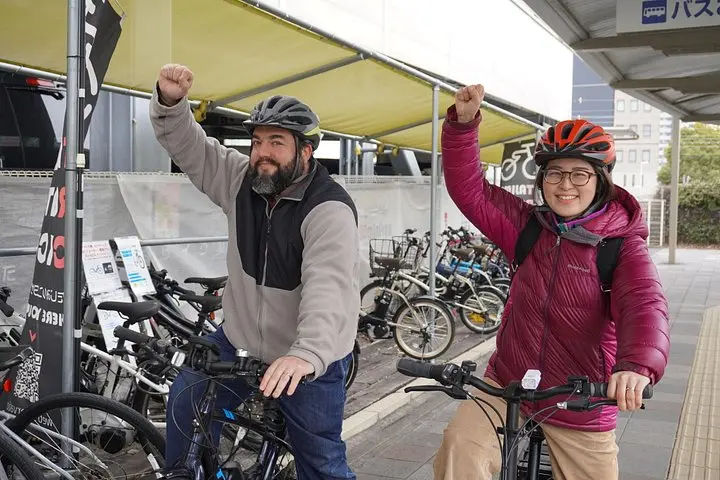

You push off a quiet street in Tajimi and the town answers with a clack of bicycle tires on stone, the air carrying faint kiln smoke and the scent of river water. Electric assistance eases the first climb, and before long low tile roofs and small workshops open up—pots on benches, a shopkeeper painting a plate by hand, and the green roofs of Eihōji Temple rising among maples.
You push off a quiet street in Tajimi and the town answers with a clack of bicycle tires on stone, the air carrying faint kiln smoke and the scent of river water. Electric assistance eases the first climb, and before long low tile roofs and small workshops open up—pots on benches, a shopkeeper painting a plate by hand, and the green roofs of Eihōji Temple rising among maples.
Mino ware has shaped this region for centuries: local clays and kilns like the noborigama (climbing kiln) fueled pottery styles from the Momoyama period to modern ceramics. Arakawa Toyozo’s legacy lives in Suigetsugama, where you’ll watch clay become form and flame—an industrial process that still depends on careful hands. THE GROUND MINO and Oribe Street show the continuum from historic glazing techniques to contemporary tableware, while Eihōji’s 700‑year halls anchor the tour in local culture and religion.
Practical notes: the full loop runs about 20–25 km with roughly 150–250 m of cumulative elevation—mostly gentle rises—and takes about 4–5 hours with stops. Electric bikes are supplied, but basic bike-handling skills and a moderate fitness level make the day easier. Wear closed-toe shoes, bring a refillable water bottle, and carry small cash for shops. Be mindful of temple etiquette, give artisans space during demonstrations, and plan for midday heat in summer or sudden showers in the rainy season.
This ride mixes hands-on craft, architectural history, and manageable cycling—ideal for travelers who want culture at pedaling pace without sacrificing comfort.