
Takachiho Gorge Day Trip: Boats, Basalt Cliffs & Sacred Caves from Fukuoka
Float beneath basalt cliffs, walk riverside trails and visit caves linked to Japan’s sun-goddess myths on a full-day trip to Takachiho Gorge. This mix of geology, ritual and Miyazaki cuisine makes for a memorable day from Fukuoka.
An Adventure In Takachiho.
Float beneath basalt cliffs, walk riverside trails and visit caves linked to Japan’s sun-goddess myths on a full-day trip to Takachiho Gorge. This mix of geology, ritual and Miyazaki cuisine makes for a memorable day from Fukuoka.
Read the full experience
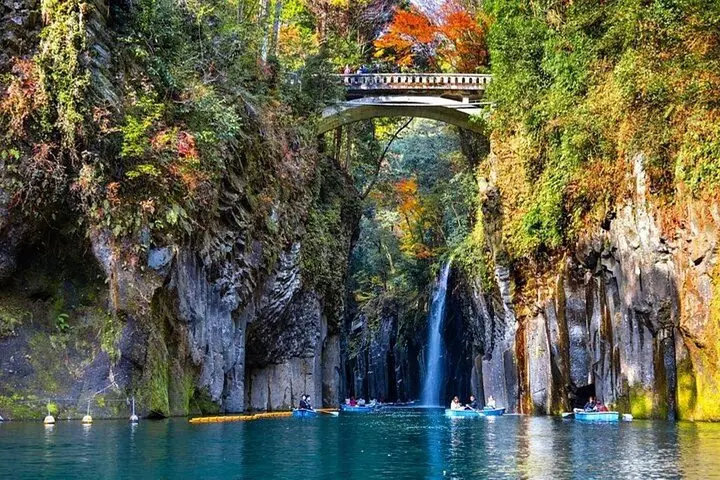
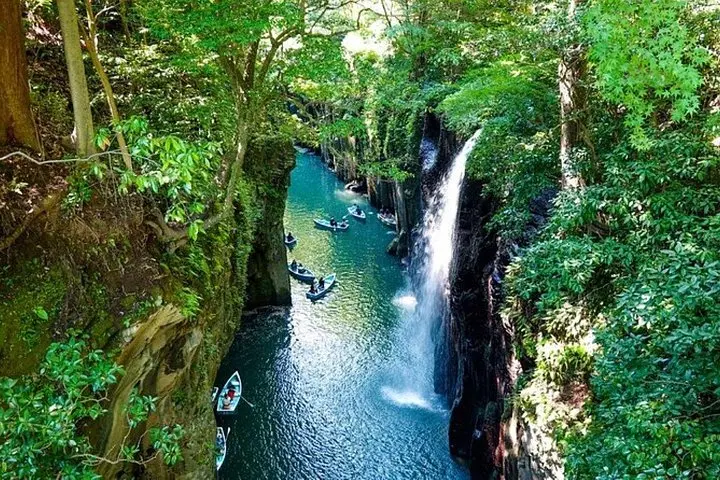
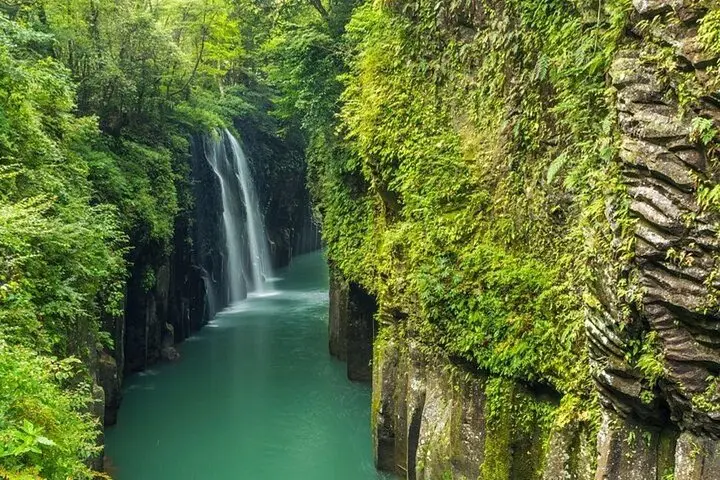
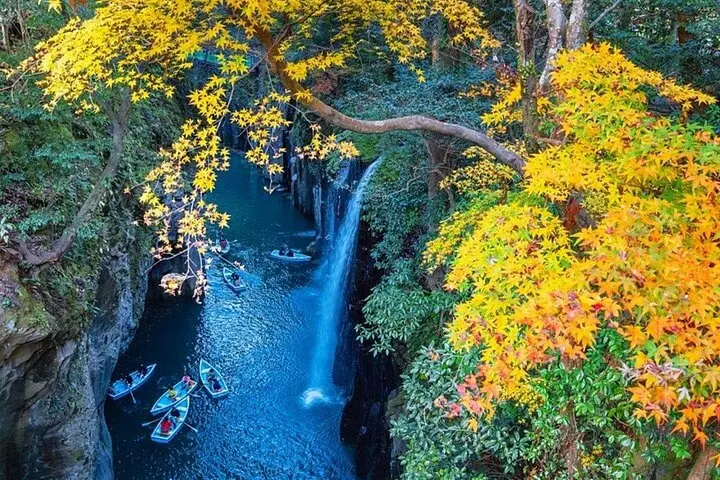
A narrow river threads through basalt columns and the air smells faintly of moss and river stone. In the morning light at Takachiho Gorge the Gokase River pushes forward, carving a cool corridor between sheer cliffs; rowboats cut tiny wakes beneath Manai Falls while walkers follow a riverside path that alternates shade and sudden panorama.
A narrow river threads through basalt columns and the air smells faintly of moss and river stone. In the morning light at Takachiho Gorge the Gokase River pushes forward, carving a cool corridor between sheer cliffs; rowboats cut tiny wakes beneath Manai Falls while walkers follow a riverside path that alternates shade and sudden panorama.
The gorge is a product of ancient volcanic flows that cooled into distinctive columnar basalt, a geology that frames local legend: this landscape is woven into the myths of Amaterasu, Japan’s sun goddess. Nearby Amanoiwato Shrine and the riverside cave Amanoyasukawara are simple, reverent sites where pilgrims have left stacked stones for centuries. Shirakawa Suigen (Shirakawa Spring) supplies famously clear water and ties into local tea and rice-cultivation traditions that shaped nearby villages.
Visitors should plan for a full day—this itinerary typically takes 8–9 hours from Fukuoka when organized as a tour. Walk the cliffside trail for multiple viewpoints; rent a rowboat to experience the falls from below (seasonal hours apply). Expect uneven stone paths, occasional wet surfaces, and narrow shrine approaches.
Practical notes: wear grippy shoes and a light rain shell; bring water and cash for shrine offerings and small entry fees. Peak colors arrive in spring and autumn; summer is humid and winter can be chilly. Accessibility is generally good at main sites, but boat rides and some cave approaches require mobility. Respect shrine etiquette—bow at torii, remove hats, and keep voices low. With a mix of quiet reflection and dramatic geology, this day trip pairs natural spectacle with cultural depth.
Frequently asked questions
Tours typically last about 8–9 hours round-trip, including transport time; on-site time at Takachiho and shrines is around 3–4 hours.
Yes—rowboats are available seasonally at Takachiho Gorge; availability depends on weather and visitor demand, and it's paid on-site.
Main approach routes and transportation options report accessible features, but some shrine areas and cave approaches include steps or uneven terrain—check ahead for specific assistance needs.
Most full-day tours include a local Miyazaki-style lunch; menus vary seasonally and may feature regional beef or traditional set meals.
About This Experience
TREVOPEDIA operates guided outdoor trips and adventures with an emphasis on safety, stewardship, and memorable experiences.
Adventure tips
Recommended gear
- Hiking shoes with good traction: Grip on wet, rocky trails reduces slips along the gorge and shrine approaches.
- Light rain shell: Protects against sudden showers and mist from waterfalls, especially in spring and summer.
- Reusable water bottle: Hydration for a full-day outing; Shirakawa spring water is drinkable at designated spouts.
- Small daypack with cash and layers: Carries snack, camera, offerings, and an extra layer for variable mountain-side temperatures.
Photos of the experience
Related adventures & guides
Read the full experience
A narrow river threads through basalt columns and the air smells faintly of moss and river stone. In the morning light at Takachiho Gorge the Gokase River pushes forward, carving a cool corridor between sheer cliffs; rowboats cut tiny wakes beneath Manai Falls while walkers follow a riverside path that alternates shade and sudden panorama.
A narrow river threads through basalt columns and the air smells faintly of moss and river stone. In the morning light at Takachiho Gorge the Gokase River pushes forward, carving a cool corridor between sheer cliffs; rowboats cut tiny wakes beneath Manai Falls while walkers follow a riverside path that alternates shade and sudden panorama.
The gorge is a product of ancient volcanic flows that cooled into distinctive columnar basalt, a geology that frames local legend: this landscape is woven into the myths of Amaterasu, Japan’s sun goddess. Nearby Amanoiwato Shrine and the riverside cave Amanoyasukawara are simple, reverent sites where pilgrims have left stacked stones for centuries. Shirakawa Suigen (Shirakawa Spring) supplies famously clear water and ties into local tea and rice-cultivation traditions that shaped nearby villages.
Visitors should plan for a full day—this itinerary typically takes 8–9 hours from Fukuoka when organized as a tour. Walk the cliffside trail for multiple viewpoints; rent a rowboat to experience the falls from below (seasonal hours apply). Expect uneven stone paths, occasional wet surfaces, and narrow shrine approaches.
Practical notes: wear grippy shoes and a light rain shell; bring water and cash for shrine offerings and small entry fees. Peak colors arrive in spring and autumn; summer is humid and winter can be chilly. Accessibility is generally good at main sites, but boat rides and some cave approaches require mobility. Respect shrine etiquette—bow at torii, remove hats, and keep voices low. With a mix of quiet reflection and dramatic geology, this day trip pairs natural spectacle with cultural depth.
Make a day of it nearby.
Verified experiences and guided adventures in the surrounding area.