THE ADVENTURE COLLECTIVE® · Independent discovery and booking for outdoor travel

A full-day from Takayama along the Norikura Skyline exposes alpine flower fields, quick summit walks to Mt. Mao, and broader panoramas from Mt. Fujimi. Expect easy to moderate hiking, volcanic landscapes, and vibrant seasonal blooms.
A full-day from Takayama along the Norikura Skyline exposes alpine flower fields, quick summit walks to Mt. Mao, and broader panoramas from Mt. Fujimi. Expect easy to moderate hiking, volcanic landscapes, and vibrant seasonal blooms.
Mist lifts off the Tatamidaira meadows as the minivan threads the Norikura Skyline; the first wash of alpine light makes the flower fields glow like brushstrokes against slate ridgelines. You step out into cool, thin air, the petals around you small but fiercely colored, and the peaks of Norikura opening like pages in a field guide.
Verified experiences and guided adventures in the surrounding area.
Operated by Snow Monkey Resorts Tours (Machinovate Japan Ltd.) · Takayama, Gifu Prefecture
Mist lifts off the Tatamidaira meadows as the minivan threads the Norikura Skyline; the first wash of alpine light makes the flower fields glow like brushstrokes against slate ridgelines. You step out into cool, thin air, the petals around you small but fiercely colored, and the peaks of Norikura opening like pages in a field guide.
Geology here is blunt and volcanic—Norikura is a high volcanic massif carved by glaciers and weather, its soils and microclimates supporting rare alpine plants. The area has long been valued by local communities for summer grazing, shrine rituals on mountain passes, and the restorative hot springs that dot the lower slopes. Cultural traces are practical and quiet: waymarkers, small shrines, and seasonal festivals in Takayama celebrate mountain harvests and alpine life.
After an easy walk through the flower field, the route climbs briefly to Mt. Mao—only a 10–20 minute ascent from Tatamidaira—then on to the more demanding summit of Mt. Fujimi, where broad vistas sweep over the Northern Japan Alps. Expect open ridgelines, rocky trail sections, and viewpoints that reward small, steady climbs.
Practical guidance: start early to avoid afternoon clouds, pack layers for sudden wind and sun, and bring at least 2 liters of water and high-energy snacks. Sturdy hiking shoes with good grip make the steeper steps comfortable; stay on marked trails to protect fragile flora. The day trip runs about nine hours from Takayama Station and is well suited to hikers with moderate fitness who want a full-day alpine experience without technical climbing.
The tour is rated moderate: easy walks to Mt. Mao and a longer but non-technical climb to Mt. Fujimi; expect several hours on foot with short steep sections.
Peak bloom varies by year and elevation but is typically late June through August for the highest flower fields; spring and autumn show different, sparser displays.
Yes—private transport to and from Takayama Station is included, with pickup at the scheduled meeting point in the morning.
Beginners and families can handle the Tatamidaira walks and Mt. Mao; Mt. Fujimi requires better stamina—those with mobility or heart issues should avoid steeper sections.
Snow Monkey Resorts Tours (Machinovate Japan Ltd.) operates guided outdoor trips and adventures with an emphasis on safety, stewardship, and memorable experiences.
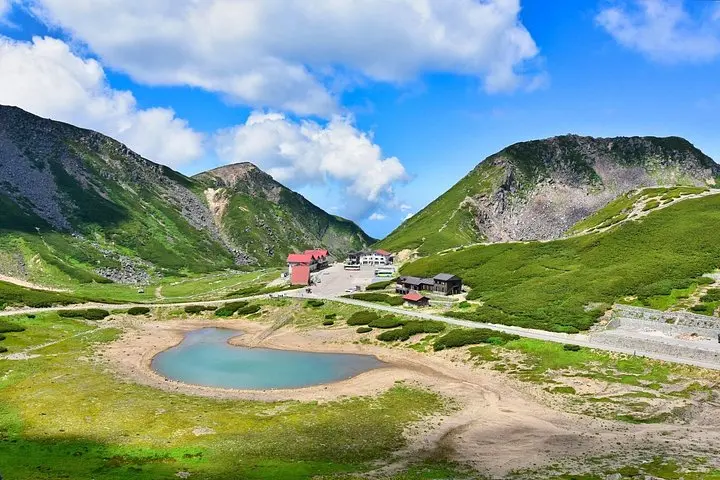
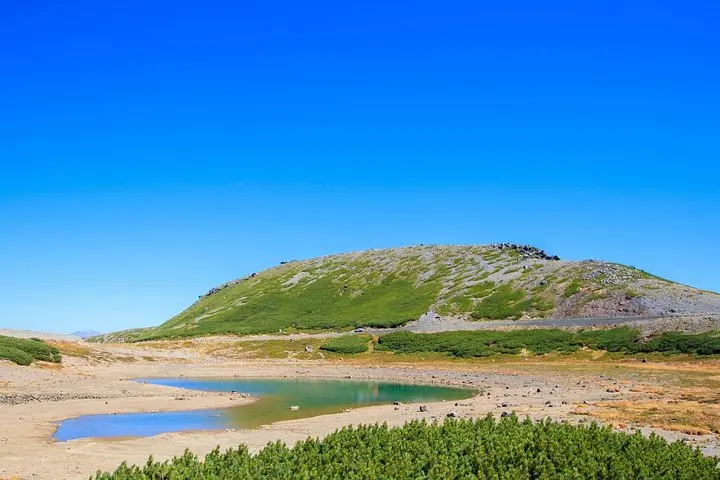
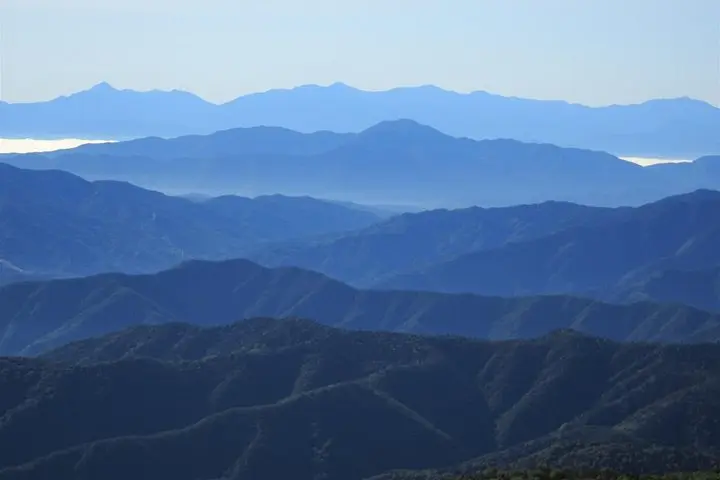
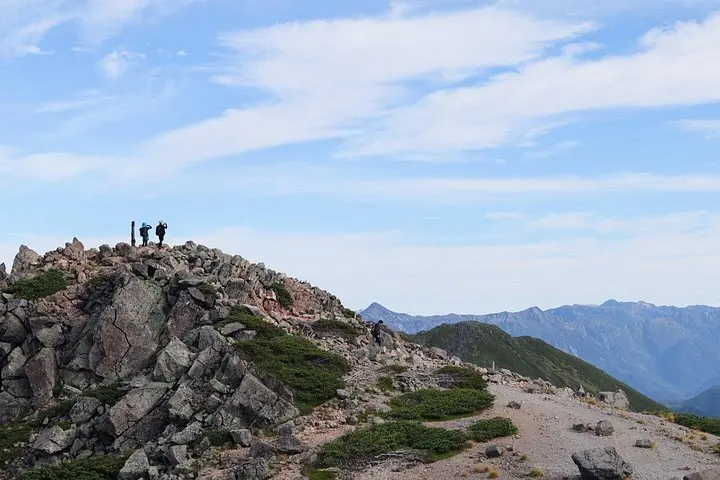
Mist lifts off the Tatamidaira meadows as the minivan threads the Norikura Skyline; the first wash of alpine light makes the flower fields glow like brushstrokes against slate ridgelines. You step out into cool, thin air, the petals around you small but fiercely colored, and the peaks of Norikura opening like pages in a field guide.
Mist lifts off the Tatamidaira meadows as the minivan threads the Norikura Skyline; the first wash of alpine light makes the flower fields glow like brushstrokes against slate ridgelines. You step out into cool, thin air, the petals around you small but fiercely colored, and the peaks of Norikura opening like pages in a field guide.
Geology here is blunt and volcanic—Norikura is a high volcanic massif carved by glaciers and weather, its soils and microclimates supporting rare alpine plants. The area has long been valued by local communities for summer grazing, shrine rituals on mountain passes, and the restorative hot springs that dot the lower slopes. Cultural traces are practical and quiet: waymarkers, small shrines, and seasonal festivals in Takayama celebrate mountain harvests and alpine life.
After an easy walk through the flower field, the route climbs briefly to Mt. Mao—only a 10–20 minute ascent from Tatamidaira—then on to the more demanding summit of Mt. Fujimi, where broad vistas sweep over the Northern Japan Alps. Expect open ridgelines, rocky trail sections, and viewpoints that reward small, steady climbs.
Practical guidance: start early to avoid afternoon clouds, pack layers for sudden wind and sun, and bring at least 2 liters of water and high-energy snacks. Sturdy hiking shoes with good grip make the steeper steps comfortable; stay on marked trails to protect fragile flora. The day trip runs about nine hours from Takayama Station and is well suited to hikers with moderate fitness who want a full-day alpine experience without technical climbing.