
Takht-i-Bahi & Peshawar Day Tour from Islamabad — Gandhara Ruins to Bazaar Life
Spend a day tracing Gandhara’s past at Takht-i-Bahi and living history in Peshawar’s markets and mosques. This full-day private tour from Islamabad blends archaeology, architecture and local flavor with easy logistics.
An Adventure In Islamabad.
Spend a day tracing Gandhara’s past at Takht-i-Bahi and living history in Peshawar’s markets and mosques. This full-day private tour from Islamabad blends archaeology, architecture and local flavor with easy logistics.
Read the full experience
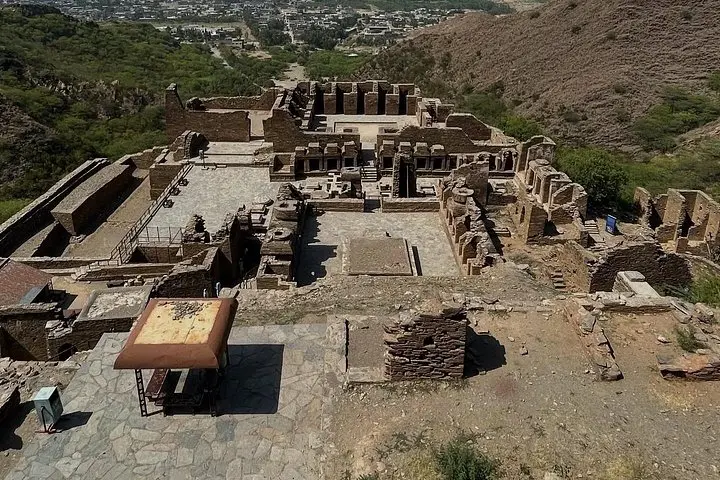
Morning light hits the stone tiers of Takht-i-Bahi and the hill seems to exhale centuries of wind, a quiet welcome before the day’s heat. Visitors approach on a short drive from Islamabad; the monastery’s courtyards and cell blocks unfold like pages, each step offering a view across the valley where Gandhara once traded ideas and faith.
Morning light hits the stone tiers of Takht-i-Bahi and the hill seems to exhale centuries of wind, a quiet welcome before the day’s heat. Visitors approach on a short drive from Islamabad; the monastery’s courtyards and cell blocks unfold like pages, each step offering a view across the valley where Gandhara once traded ideas and faith.
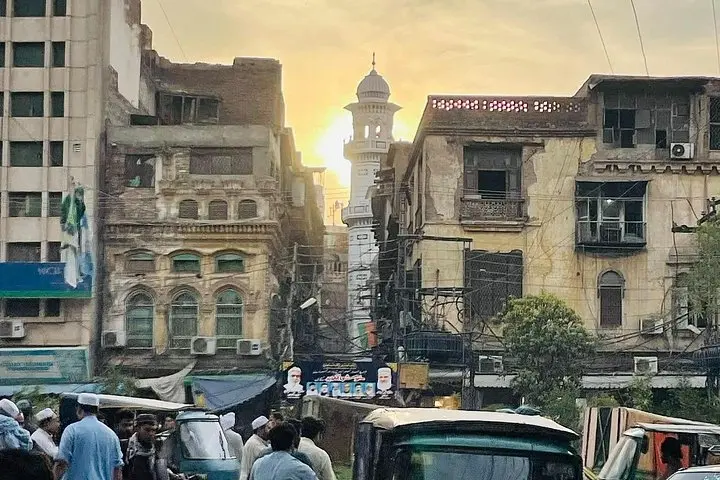
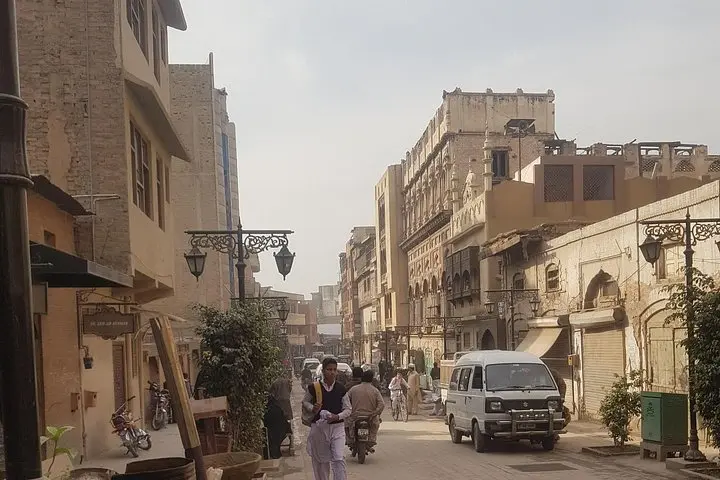
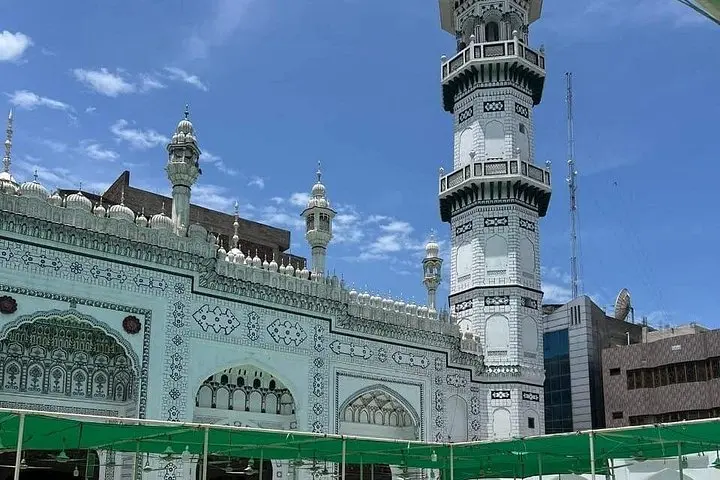
Takht-i-Bahi is a 1st-century Buddhist complex whose carved platforms, meditation cells and assembly halls reveal the fusion of Hellenistic and South Asian influences that defined Gandharan art. Geologically the site sits on a resistant sandstone rise that preserves stepped terraces and channels — the hill itself helped shelter these ruins through earthquakes and erosion. In Peshawar, the city’s Mughal-era mosque facades, colonial clock tower and narrow bazaars map later chapters of the region’s history: trade, empire, and local craft.
Cultural moments arrive in detail — the Gandhara Museum’s stone Buddhas with Greco-Roman drapery, the scent of spices at Qissa Khwani Bazaar, and carved timber at Sethi House — all tied by a guide who can place each artifact into its regional context.
Practical travel guidance: expect a full-day itinerary (11–12 hours), private air-conditioned transport, and moderate walking over uneven stone and packed streets. Wear sturdy closed shoes, sun protection, and carry water (bottled water is provided). Photography is allowed at most outdoor sites but respect mosque etiquette: remove shoes and dress modestly. Start earlier in spring and autumn to avoid the intense summer heat and plan for traffic when returning to Islamabad.
Frequently asked questions
The tour runs about 11–12 hours (roughly dawn-to-evening); specific pickup times depend on booking but typically depart early morning from Islamabad.
Yes, entrance fees to Takht-i-Bahi and listed museums are included in the tour price.
Yes — the itinerary is rated easy overall, but expect walking on uneven surfaces; those with mobility concerns should notify the operator for adjustments.
Photography is generally allowed at outdoor archaeological sites and museums, but mosque interiors may restrict photography and require modest attire and shoe removal.
About This Experience
Travel Pakistan operates guided outdoor trips and adventures with an emphasis on safety, stewardship, and memorable experiences.
Adventure tips
Recommended gear
- Sturdy walking shoes: Closed-toe shoes provide traction on ancient stonework and uneven bazaar alleys.
- Sun protection (hat & sunscreen): Protects against strong sun, especially at exposed hilltop ruins.
- Light scarf or shawl: Useful for modest dress at mosques and for dusty streets.
- Reusable water bottle: Helpful for staying hydrated between supplied bottled water stops.
Photos of the experience
Related adventures & guides
Read the full experience
Morning light hits the stone tiers of Takht-i-Bahi and the hill seems to exhale centuries of wind, a quiet welcome before the day’s heat. Visitors approach on a short drive from Islamabad; the monastery’s courtyards and cell blocks unfold like pages, each step offering a view across the valley where Gandhara once traded ideas and faith.
Morning light hits the stone tiers of Takht-i-Bahi and the hill seems to exhale centuries of wind, a quiet welcome before the day’s heat. Visitors approach on a short drive from Islamabad; the monastery’s courtyards and cell blocks unfold like pages, each step offering a view across the valley where Gandhara once traded ideas and faith.
Takht-i-Bahi is a 1st-century Buddhist complex whose carved platforms, meditation cells and assembly halls reveal the fusion of Hellenistic and South Asian influences that defined Gandharan art. Geologically the site sits on a resistant sandstone rise that preserves stepped terraces and channels — the hill itself helped shelter these ruins through earthquakes and erosion. In Peshawar, the city’s Mughal-era mosque facades, colonial clock tower and narrow bazaars map later chapters of the region’s history: trade, empire, and local craft.
Cultural moments arrive in detail — the Gandhara Museum’s stone Buddhas with Greco-Roman drapery, the scent of spices at Qissa Khwani Bazaar, and carved timber at Sethi House — all tied by a guide who can place each artifact into its regional context.
Practical travel guidance: expect a full-day itinerary (11–12 hours), private air-conditioned transport, and moderate walking over uneven stone and packed streets. Wear sturdy closed shoes, sun protection, and carry water (bottled water is provided). Photography is allowed at most outdoor sites but respect mosque etiquette: remove shoes and dress modestly. Start earlier in spring and autumn to avoid the intense summer heat and plan for traffic when returning to Islamabad.
Make a day of it nearby.
Verified experiences and guided adventures in the surrounding area.