THE ADVENTURE COLLECTIVE® · Independent discovery and booking for outdoor travel

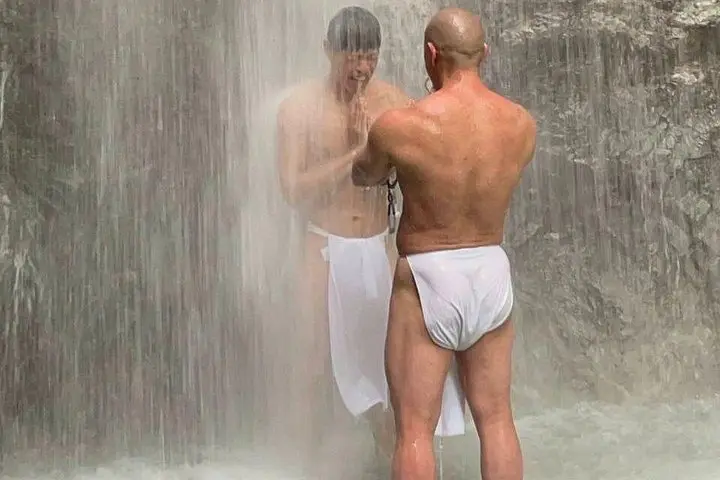
Stand beneath a sacred Japanese waterfall led by a local monk and practice takigyo — a centuries-old purification ritual combining prayer, cold-water exposure, and forest walking. Expect a short forest approach, traditional robes, and guided meditation followed by tea.
Stand beneath a sacred Japanese waterfall led by a local monk and practice takigyo — a centuries-old purification ritual combining prayer, cold-water exposure, and forest walking. Expect a short forest approach, traditional robes, and guided meditation followed by tea.
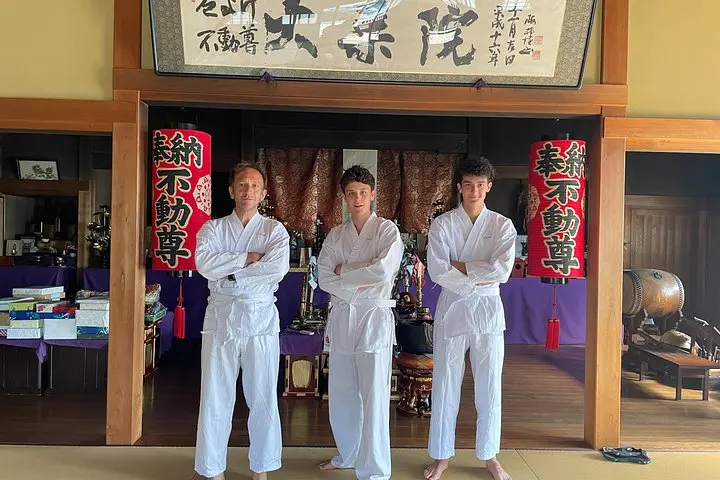
Morning light slices across the platform at Odawara Station as participants gather for the short ride into Kanagawa’s forested foothills. By the time you step out at the temple, incense and a monk’s low chant have already set a deliberate pace. You swap street clothes for a white dōgi, letting the fabric cool skin still warmed from the transfer; a short, moss-carpeted path descends toward the waterfall, where water hammers the rock and the air tastes clean and sharp.
Verified experiences and guided adventures in the surrounding area.
Operated by GOEN · Odawara, Kanagawa Prefecture
Morning light slices across the platform at Odawara Station as participants gather for the short ride into Kanagawa’s forested foothills. By the time you step out at the temple, incense and a monk’s low chant have already set a deliberate pace. You swap street clothes for a white dōgi, letting the fabric cool skin still warmed from the transfer; a short, moss-carpeted path descends toward the waterfall, where water hammers the rock and the air tastes clean and sharp.
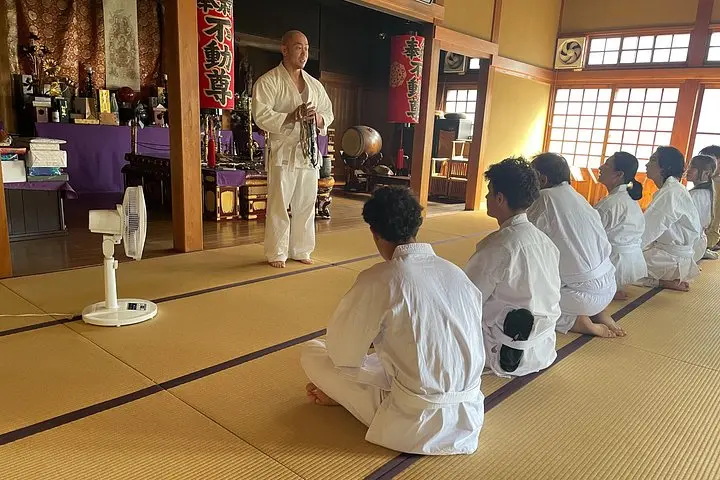
This practice belongs to a long lineage of Japanese ascetic and purification rites — takigyo sits alongside Shugendō and mountain monasticism as a method of cultivating focus through exposure to elemental force. Geologically, the site sits in the volcanic shadow of the Hakone ranges; steep, quickly draining slopes create the narrow, powerful falls used for ritual. Culturally, the session blends a guided prayer, instruction from a monk, and time for silent standing beneath the cascade.
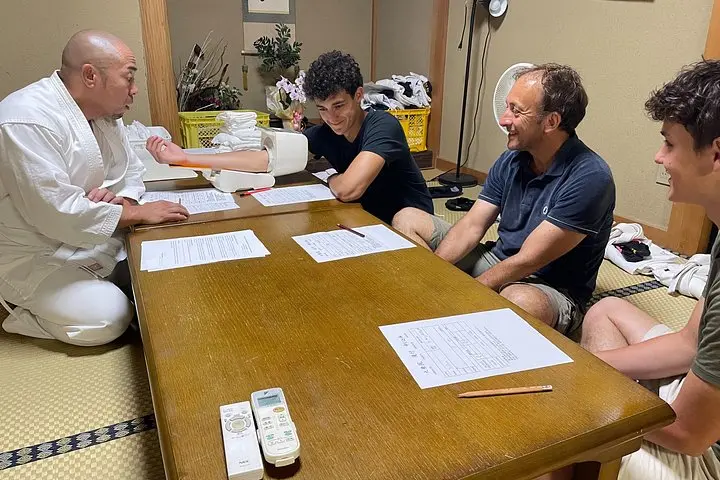
Practically, expect about four hours from pickup to return, light walking on uneven forest trails, and brief periods of standing in cold water. The experience is intentionally simple: no prior training required, but basic mobility and readiness for cold exposure matter. Bring a quick-dry change of clothes, a waterproof pouch for electronics, and a readiness to follow temple etiquette and the guide’s safety briefings. After the ritual there is time for reflection over warm tea and to watch the group dry and reconnect — a grounding close to an elemental, culturally rooted experience.
No—guides and the monk provide instruction; the session is suitable for beginners comfortable with brief cold-water exposure.
Wear quick-dry, lightweight base layers or minimal clothing—men are typically provided fundoshi; modesty and comfort are prioritized.
Photography is usually restricted during the ritual out of respect; the tour includes a GoPro video filmed by staff for participants.
Infants and small children may attend in strollers, but the waterfall immersion is intended for adults; check age and health requirements when booking.
GOEN operates guided outdoor trips and adventures with an emphasis on safety, stewardship, and memorable experiences.
Morning light slices across the platform at Odawara Station as participants gather for the short ride into Kanagawa’s forested foothills. By the time you step out at the temple, incense and a monk’s low chant have already set a deliberate pace. You swap street clothes for a white dōgi, letting the fabric cool skin still warmed from the transfer; a short, moss-carpeted path descends toward the waterfall, where water hammers the rock and the air tastes clean and sharp.
Morning light slices across the platform at Odawara Station as participants gather for the short ride into Kanagawa’s forested foothills. By the time you step out at the temple, incense and a monk’s low chant have already set a deliberate pace. You swap street clothes for a white dōgi, letting the fabric cool skin still warmed from the transfer; a short, moss-carpeted path descends toward the waterfall, where water hammers the rock and the air tastes clean and sharp.
This practice belongs to a long lineage of Japanese ascetic and purification rites — takigyo sits alongside Shugendō and mountain monasticism as a method of cultivating focus through exposure to elemental force. Geologically, the site sits in the volcanic shadow of the Hakone ranges; steep, quickly draining slopes create the narrow, powerful falls used for ritual. Culturally, the session blends a guided prayer, instruction from a monk, and time for silent standing beneath the cascade.
Practically, expect about four hours from pickup to return, light walking on uneven forest trails, and brief periods of standing in cold water. The experience is intentionally simple: no prior training required, but basic mobility and readiness for cold exposure matter. Bring a quick-dry change of clothes, a waterproof pouch for electronics, and a readiness to follow temple etiquette and the guide’s safety briefings. After the ritual there is time for reflection over warm tea and to watch the group dry and reconnect — a grounding close to an elemental, culturally rooted experience.