THE ADVENTURE COLLECTIVE® · Independent discovery and booking for outdoor travel

A compact 3-day introduction to Paro centered on the iconic Tiger's Nest (Taktsang). This guide covers the hike, cultural rules, altitude realities, and what to plan before you go.
A compact 3-day introduction to Paro centered on the iconic Tiger's Nest (Taktsang). This guide covers the hike, cultural rules, altitude realities, and what to plan before you go.
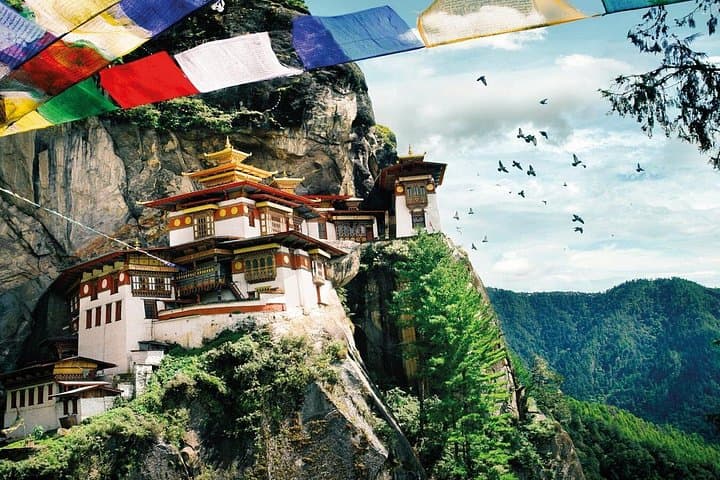
You leave the low-slung town of Paro before dawn and the valley light is thin and sharp. The trail rises out of terraced rice and prayer-flagged pines; the river below pushes forward like a silver thought. Higher up, the path tightens into stone steps and switchbacks, and Taktsang — the Tiger's Nest — appears clinging to a granite cliff, implacable and immediate.
Verified experiences and guided adventures in the surrounding area.
Operated by Himalayan Adventure Treks and Tours Pvt Ltd · Paro, Paro District
You leave the low-slung town of Paro before dawn and the valley light is thin and sharp. The trail rises out of terraced rice and prayer-flagged pines; the river below pushes forward like a silver thought. Higher up, the path tightens into stone steps and switchbacks, and Taktsang — the Tiger's Nest — appears clinging to a granite cliff, implacable and immediate.
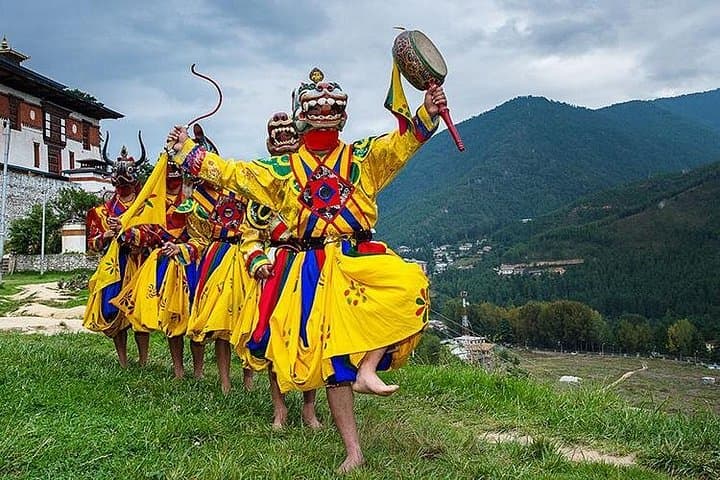
The monastery dates to the 8th century when Guru Rinpoche is said to have flown to this cliff on the back of a tigress and meditated in the cave. Geologically, the site sits on carved Himalayan schist and granite spurs that create sudden, steep drops and panoramic views across the Paro valley. Culturally, the site remains an active Bhutanese religious center: expect chanted prayers, butter lamps, strict dress and photography rules inside temples, and local pilgrims setting a steady pace.
Day 1 is arrival and acclimatization in Paro (about 2,200 m). Day 2 is the round-trip hike to the monastery at ~3,220 m — steep in places, 3–4 hours each way for many visitors, with several resting points and a cafeteria below the final climb. Day 3 is departure.
Practical guidance: carry water, dress in layers for quick weather shifts, and budget energy for the ascent — altitude matters more than distance. Respect museum and monastic rules, bring small local currency for donations or offerings, and book permits and flights well ahead: Bhutan manages visitor numbers deliberately. The hike rewards steady effort with one of the most singular cultural views in the Himalaya.
Yes—visas and entry permits are handled through Bhutan's tourism framework; most tour operators include visa fees and permits in the package.
The trail is steep and gains roughly 900–1,000 m; many people complete it at a moderate pace with breaks in 4–6 hours round-trip.
Photography is generally prohibited inside temples; you may photograph exterior views but should follow on-site rules and monk requests.
Spring and autumn offer the clearest weather and stable temperatures, while summer brings clouds and winter can be cold with clearer skies.
Himalayan Adventure Treks and Tours Pvt Ltd operates guided outdoor trips and adventures with an emphasis on safety, stewardship, and memorable experiences.

You leave the low-slung town of Paro before dawn and the valley light is thin and sharp. The trail rises out of terraced rice and prayer-flagged pines; the river below pushes forward like a silver thought. Higher up, the path tightens into stone steps and switchbacks, and Taktsang — the Tiger's Nest — appears clinging to a granite cliff, implacable and immediate.
You leave the low-slung town of Paro before dawn and the valley light is thin and sharp. The trail rises out of terraced rice and prayer-flagged pines; the river below pushes forward like a silver thought. Higher up, the path tightens into stone steps and switchbacks, and Taktsang — the Tiger's Nest — appears clinging to a granite cliff, implacable and immediate.
The monastery dates to the 8th century when Guru Rinpoche is said to have flown to this cliff on the back of a tigress and meditated in the cave. Geologically, the site sits on carved Himalayan schist and granite spurs that create sudden, steep drops and panoramic views across the Paro valley. Culturally, the site remains an active Bhutanese religious center: expect chanted prayers, butter lamps, strict dress and photography rules inside temples, and local pilgrims setting a steady pace.
Day 1 is arrival and acclimatization in Paro (about 2,200 m). Day 2 is the round-trip hike to the monastery at ~3,220 m — steep in places, 3–4 hours each way for many visitors, with several resting points and a cafeteria below the final climb. Day 3 is departure.
Practical guidance: carry water, dress in layers for quick weather shifts, and budget energy for the ascent — altitude matters more than distance. Respect museum and monastic rules, bring small local currency for donations or offerings, and book permits and flights well ahead: Bhutan manages visitor numbers deliberately. The hike rewards steady effort with one of the most singular cultural views in the Himalaya.