THE ADVENTURE COLLECTIVE® · Independent discovery and booking for outdoor travel

Explore Indonesia’s provinces in miniature and make your own batik at TMII. This full-day private tour pairs accessible walking with a hands-on textile workshop and guided context for first-time visitors.
Explore Indonesia’s provinces in miniature and make your own batik at TMII. This full-day private tour pairs accessible walking with a hands-on textile workshop and guided context for first-time visitors.
You step off the van into wide lawns and a scatter of provincial pavilions, each roofline answering a different island of Indonesia. The air is warm, punctuated by the tang of dye vats and the distant call of city traffic; columns of carved wood and painted textiles draw you through lanes that feel both museum-quiet and lived-in.
Verified experiences and guided adventures in the surrounding area.
Operated by Triptrik · Jakarta, DKI Jakarta
You step off the van into wide lawns and a scatter of provincial pavilions, each roofline answering a different island of Indonesia. The air is warm, punctuated by the tang of dye vats and the distant call of city traffic; columns of carved wood and painted textiles draw you through lanes that feel both museum-quiet and lived-in.
Opened in the mid-1970s, Taman Mini Indonesia Indah (TMII) was conceived to display the nation’s regional architecture, costumes, and crafts in one accessible park. Geologically there’s little drama—flat Jakarta plain and reclaimed lands—but culturally it compresses archipelago-scale diversity into walkable clusters. The Textile Museum and Pendopo are highlights for anyone curious about batik’s layered symbolism and technique: wax resist, canting tools, and natural dyes that link craft to ritual and trade history.
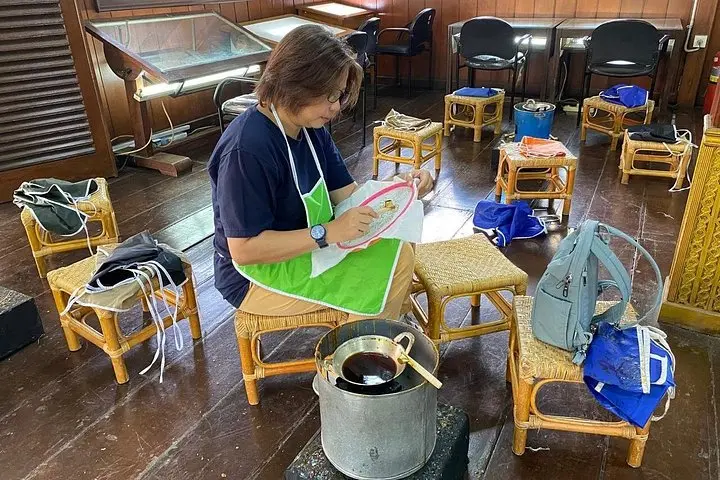
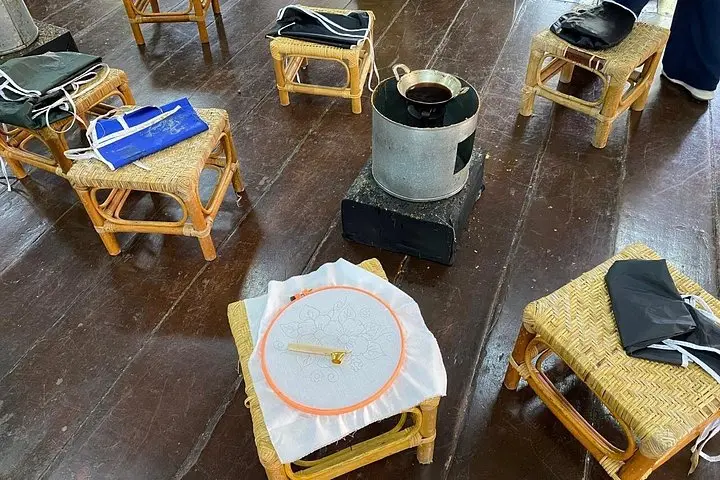
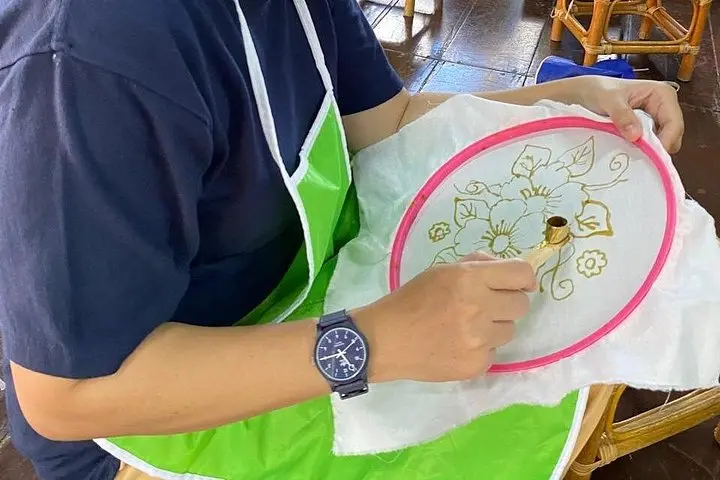
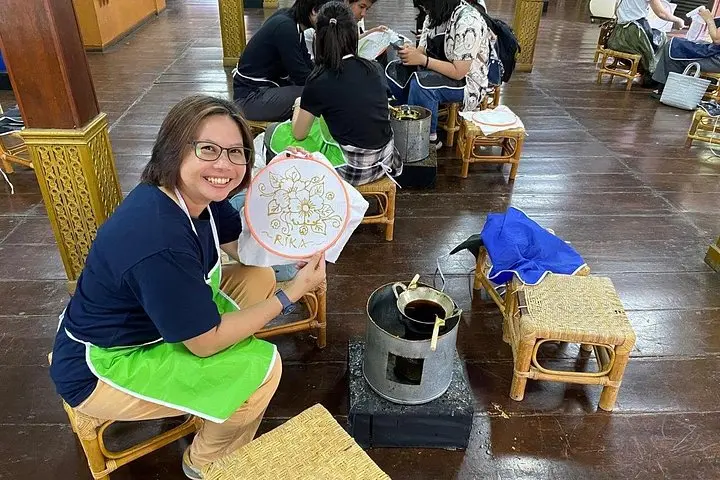
Expect about an 8-hour rhythm: guided stops at provincial houses, museum exhibits, then a hands-on batik session where you sketch, apply wax, and watch color set in small dye bowls. The instructor will demonstrate traditional motifs and let you create a piece to take home. Scenes are interactive rather than strenuous—wide paths, some shaded pergolas, and short walks between exhibits.
Practical edge: start early to avoid midday heat, carry a refillable bottle, and wear shoes that can handle occasional puddles. Budget time for the Textile Museum display and a quick visit to the Keong Emas theater if schedules align. The day blends approachable fieldwork with clear cultural context—perfect for travelers who want craft, context, and a tactile souvenir.
Yes — the itinerary lists private transportation included for pickup and drop-off within arranged points.
Yes — the workshop component lets you design and dye a fabric to bring home; drying requirements may mean you take a damp item packed flat.
Yes — the listing notes stroller access and the park has broad paths, though some exhibits have steps or low thresholds.
Entrance to Taman Mini and the Textile Museum are included per the itinerary, but confirm if optional shows (Keong Emas) require extra fees.
Triptrik operates guided outdoor trips and adventures with an emphasis on safety, stewardship, and memorable experiences.
You step off the van into wide lawns and a scatter of provincial pavilions, each roofline answering a different island of Indonesia. The air is warm, punctuated by the tang of dye vats and the distant call of city traffic; columns of carved wood and painted textiles draw you through lanes that feel both museum-quiet and lived-in.
You step off the van into wide lawns and a scatter of provincial pavilions, each roofline answering a different island of Indonesia. The air is warm, punctuated by the tang of dye vats and the distant call of city traffic; columns of carved wood and painted textiles draw you through lanes that feel both museum-quiet and lived-in.
Opened in the mid-1970s, Taman Mini Indonesia Indah (TMII) was conceived to display the nation’s regional architecture, costumes, and crafts in one accessible park. Geologically there’s little drama—flat Jakarta plain and reclaimed lands—but culturally it compresses archipelago-scale diversity into walkable clusters. The Textile Museum and Pendopo are highlights for anyone curious about batik’s layered symbolism and technique: wax resist, canting tools, and natural dyes that link craft to ritual and trade history.
Expect about an 8-hour rhythm: guided stops at provincial houses, museum exhibits, then a hands-on batik session where you sketch, apply wax, and watch color set in small dye bowls. The instructor will demonstrate traditional motifs and let you create a piece to take home. Scenes are interactive rather than strenuous—wide paths, some shaded pergolas, and short walks between exhibits.
Practical edge: start early to avoid midday heat, carry a refillable bottle, and wear shoes that can handle occasional puddles. Budget time for the Textile Museum display and a quick visit to the Keong Emas theater if schedules align. The day blends approachable fieldwork with clear cultural context—perfect for travelers who want craft, context, and a tactile souvenir.