THE ADVENTURE COLLECTIVE® · Independent discovery and booking for outdoor travel

Glide through Tamarindo’s mangrove labyrinth on a short, wildlife-packed cruise where crocodiles and monkeys share the shoreline with rare birds. This easy two-hour tour is a concentrated introduction to the estuary’s ecology and local conservation efforts.
Glide through Tamarindo’s mangrove labyrinth on a short, wildlife-packed cruise where crocodiles and monkeys share the shoreline with rare birds. This easy two-hour tour is a concentrated introduction to the estuary’s ecology and local conservation efforts.
Wet leaves slap the hull as the estuary narrows and the air tightens with salt and green. From the Tamarindo park station the guide slips the boat into braided channels where mangrove roots clutch at slow water and a kingfisher watches, head cocked. The tide governs the pace; the river dares you to read its moods.
Verified experiences and guided adventures in the surrounding area.
Operated by Discover Tamarindo · Tamarindo, Guanacaste
Wet leaves slap the hull as the estuary narrows and the air tightens with salt and green. From the Tamarindo park station the guide slips the boat into braided channels where mangrove roots clutch at slow water and a kingfisher watches, head cocked. The tide governs the pace; the river dares you to read its moods.
This two-hour cruise moves through one of Costa Rica’s larger mangrove wetlands, part of the coastal systems that shaped Guanacaste’s coastline after volcanic uplift and river deposition. The area is culturally linked to fishing communities and conservation efforts—locals have long balanced subsistence fishing with protection of nesting beaches and estuarine nurseries. Geologically the estuary is young, a sediment-rich shelf that shelters juvenile fish and supports dense mangrove root systems.
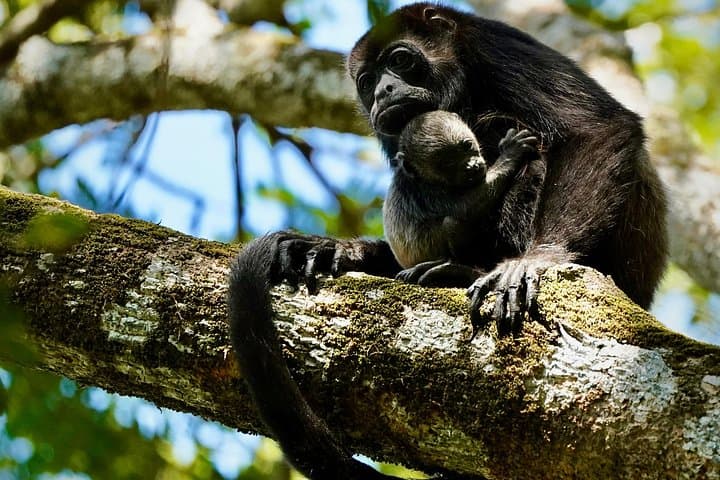
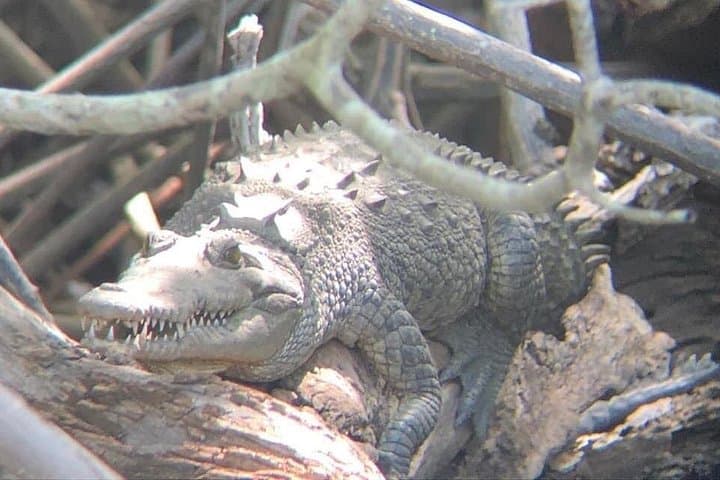
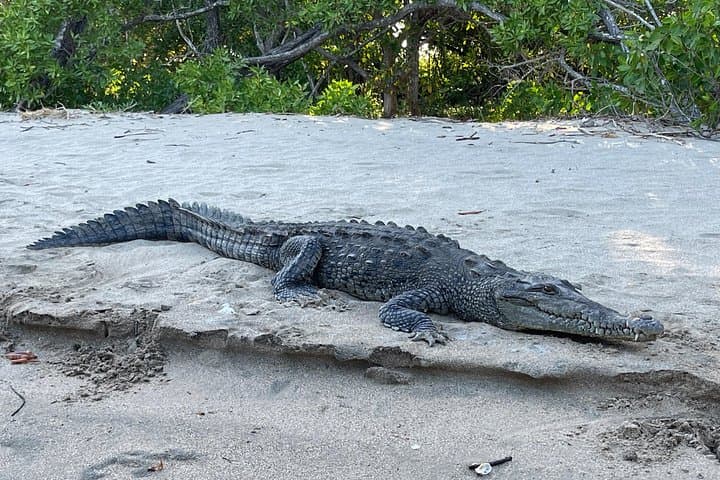
Expect concentrated birdlife—capped herons, mangrove hummingbirds, and kingfishers—along with American crocodiles sunning on banks, howler or white-faced capuchin monkeys in overstorey trees, iguanas, and crabs. Guides scan quietly from low-profile vessels to maximize sightings while minimizing disturbance.
Practical notes: tours are short (about 2 hours), family-friendly, and largely low-effort; bring binoculars, sun protection, and mosquito-repellent. Morning low tides often concentrate wildlife; late afternoon can be warm and bright. Respect the guide’s instructions around wildlife, keep noise low, and carry water—snap a photo, but give the estuary space to work its slow, ruthless magic.
The experience runs about 2 hours, typically departing from the Tamarindo park station at the town entrance.
Wildlife sightings are common but not guaranteed; guides maximize chances by moving through different estuary channels and adjusting for tides.
Yes—tours are family-friendly and low-effort; infants may need to sit on laps and life jackets are provided when required.
Most departures start at the Tamarindo park station with free onsite parking; confirm pickup options if you need hotel transfer.
Discover Tamarindo operates guided outdoor trips and adventures with an emphasis on safety, stewardship, and memorable experiences.

Wet leaves slap the hull as the estuary narrows and the air tightens with salt and green. From the Tamarindo park station the guide slips the boat into braided channels where mangrove roots clutch at slow water and a kingfisher watches, head cocked. The tide governs the pace; the river dares you to read its moods.
Wet leaves slap the hull as the estuary narrows and the air tightens with salt and green. From the Tamarindo park station the guide slips the boat into braided channels where mangrove roots clutch at slow water and a kingfisher watches, head cocked. The tide governs the pace; the river dares you to read its moods.
This two-hour cruise moves through one of Costa Rica’s larger mangrove wetlands, part of the coastal systems that shaped Guanacaste’s coastline after volcanic uplift and river deposition. The area is culturally linked to fishing communities and conservation efforts—locals have long balanced subsistence fishing with protection of nesting beaches and estuarine nurseries. Geologically the estuary is young, a sediment-rich shelf that shelters juvenile fish and supports dense mangrove root systems.
Expect concentrated birdlife—capped herons, mangrove hummingbirds, and kingfishers—along with American crocodiles sunning on banks, howler or white-faced capuchin monkeys in overstorey trees, iguanas, and crabs. Guides scan quietly from low-profile vessels to maximize sightings while minimizing disturbance.
Practical notes: tours are short (about 2 hours), family-friendly, and largely low-effort; bring binoculars, sun protection, and mosquito-repellent. Morning low tides often concentrate wildlife; late afternoon can be warm and bright. Respect the guide’s instructions around wildlife, keep noise low, and carry water—snap a photo, but give the estuary space to work its slow, ruthless magic.