THE ADVENTURE COLLECTIVE® · Independent discovery and booking for outdoor travel

Step off Tamarindo’s evening bustle and into the last patch of Pacific dry forest—two hours of guided night hiking reveals frogs, owls, and the small mammals of Costa Rica’s nocturnal world. Quiet curiosity pays off: bring a light, closed-toe shoes, and patience.
Step off Tamarindo’s evening bustle and into the last patch of Pacific dry forest—two hours of guided night hiking reveals frogs, owls, and the small mammals of Costa Rica’s nocturnal world. Quiet curiosity pays off: bring a light, closed-toe shoes, and patience.
When the town lights of Tamarindo fade and the ocean hushes, a narrow trail pulls you inland into the last patch of Pacific tropical dry forest near town. Your guide’s headlamp slices the dark; branches and leaf litter take on a new life as eyes catch yours back—an owl pauses on a low branch, a frog calls from the understory, and insects stitch the air with sound.
Verified experiences and guided adventures in the surrounding area.
Operated by Face to Face - Night Walk · Tamarindo, Guanacaste
When the town lights of Tamarindo fade and the ocean hushes, a narrow trail pulls you inland into the last patch of Pacific tropical dry forest near town. Your guide’s headlamp slices the dark; branches and leaf litter take on a new life as eyes catch yours back—an owl pauses on a low branch, a frog calls from the understory, and insects stitch the air with sound.
This short night walk explores an ecosystem shaped by long dry seasons and a history of cattle ranching and human settlement that left the remaining forest patches as vital refuges. Geologically the coastal plain here is flat, with ancient volcanic soils giving way to sandy washes toward the shoreline; culturally, the Guanacaste region blends Afro-Caribbean and mestizo traditions and a growing eco-tourism ethic.
Expect low, uneven trails through dry canopy, pockets of thorny scrub, and clearings where nocturnal mammals forage. Guides point out adaptations—leaf-shedding trees, cryptic frogs, and the slow, intentional movements of a kinkajou. The experience is intimate: wildlife doesn’t perform on command, but the darkness levels the playing field; sounds and reflective eyes become the language of the night.
Practical bits: tours last about two hours and depart from Tamarindo; headlamps are provided but a small personal light and closed-toe shoes help. Avoid bright clothing and strong scents, keep voices low, and follow the guide’s path to reduce impact. Bring water, insect repellent, and a light jacket—the forest holds cool pockets after sunset. This walk rewards patience and quiet curiosity—move slowly and the night will show itself.
Guides maximize chances by visiting active habitats, but wildlife is not guaranteed; sightings depend on season, weather, and animal behavior—expect frogs, owls, and small mammals rather than guaranteed big animals.
Quality headlamps are provided, but bringing a small personal light with a red filter is recommended as backup and for more comfortable personal use.
The tour is family-friendly and listed as easy, but children should be comfortable walking in low light and supervised at all times; check minimum age requirements with the operator when booking.
The protected dry forest is roughly a 10–20 minute drive from central Tamarindo depending on pickup location; tours usually depart from the operator’s office in town or arrange transport for an extra fee.
Face to Face - Night Walk operates guided outdoor trips and adventures with an emphasis on safety, stewardship, and memorable experiences.
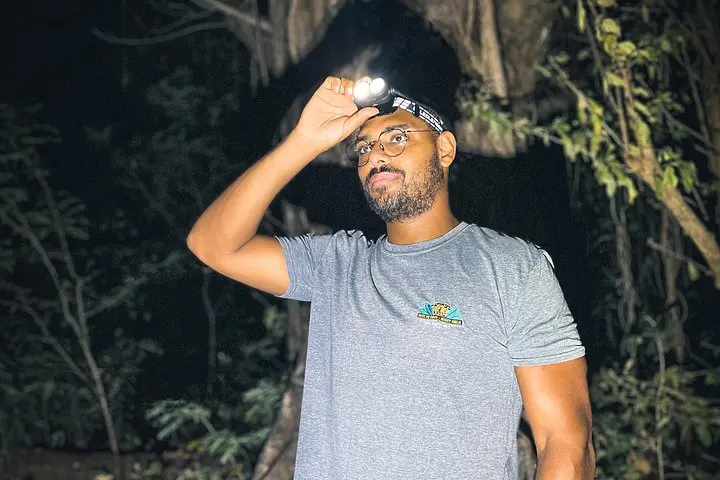
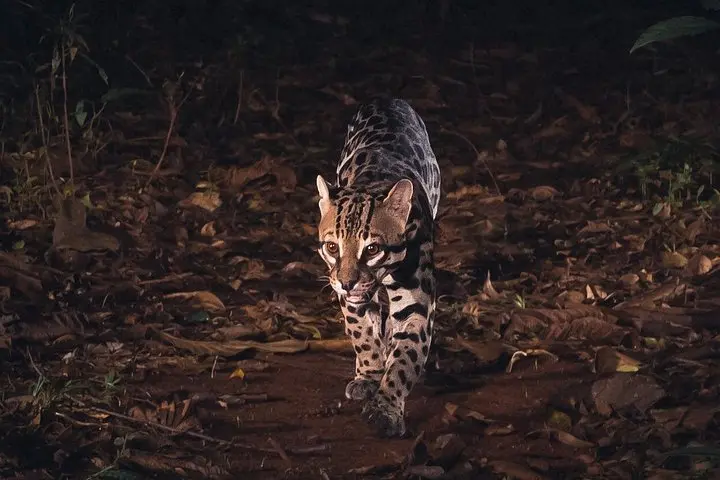
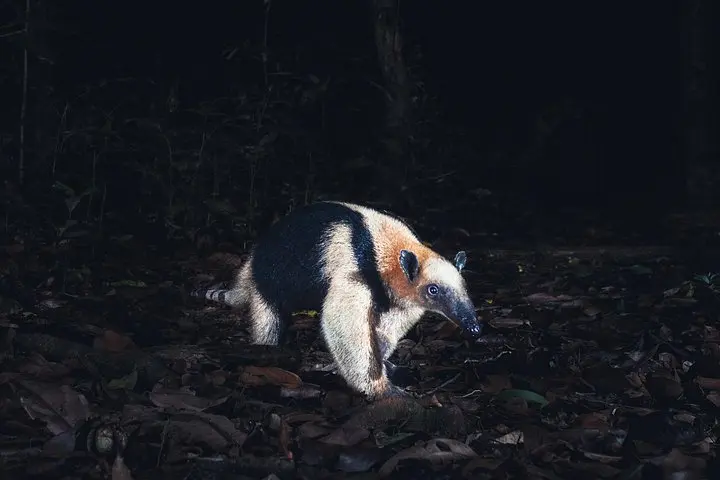
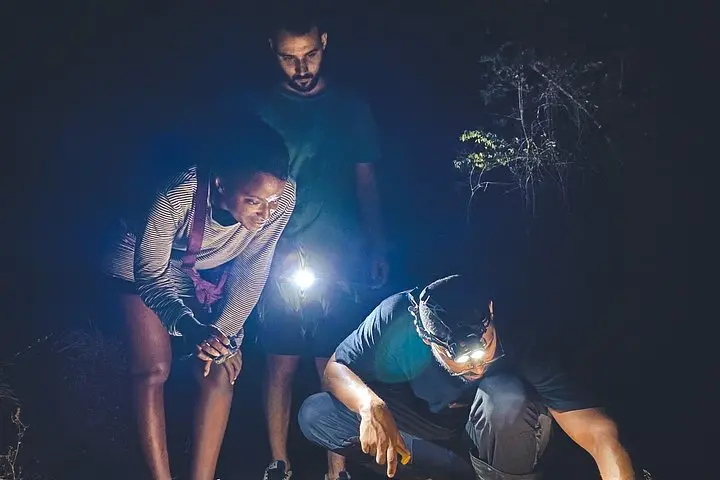
When the town lights of Tamarindo fade and the ocean hushes, a narrow trail pulls you inland into the last patch of Pacific tropical dry forest near town. Your guide’s headlamp slices the dark; branches and leaf litter take on a new life as eyes catch yours back—an owl pauses on a low branch, a frog calls from the understory, and insects stitch the air with sound.
When the town lights of Tamarindo fade and the ocean hushes, a narrow trail pulls you inland into the last patch of Pacific tropical dry forest near town. Your guide’s headlamp slices the dark; branches and leaf litter take on a new life as eyes catch yours back—an owl pauses on a low branch, a frog calls from the understory, and insects stitch the air with sound.
This short night walk explores an ecosystem shaped by long dry seasons and a history of cattle ranching and human settlement that left the remaining forest patches as vital refuges. Geologically the coastal plain here is flat, with ancient volcanic soils giving way to sandy washes toward the shoreline; culturally, the Guanacaste region blends Afro-Caribbean and mestizo traditions and a growing eco-tourism ethic.
Expect low, uneven trails through dry canopy, pockets of thorny scrub, and clearings where nocturnal mammals forage. Guides point out adaptations—leaf-shedding trees, cryptic frogs, and the slow, intentional movements of a kinkajou. The experience is intimate: wildlife doesn’t perform on command, but the darkness levels the playing field; sounds and reflective eyes become the language of the night.
Practical bits: tours last about two hours and depart from Tamarindo; headlamps are provided but a small personal light and closed-toe shoes help. Avoid bright clothing and strong scents, keep voices low, and follow the guide’s path to reduce impact. Bring water, insect repellent, and a light jacket—the forest holds cool pockets after sunset. This walk rewards patience and quiet curiosity—move slowly and the night will show itself.