THE ADVENTURE COLLECTIVE® · Independent discovery and booking for outdoor travel

Head offshore from Tamarindo to track migrating humpbacks and snorkel reef flats teeming with tropical fish. This compact tour pairs responsible wildlife viewing with a short, guided snorkeling stop suitable for first‑timers.
Head offshore from Tamarindo to track migrating humpbacks and snorkel reef flats teeming with tropical fish. This compact tour pairs responsible wildlife viewing with a short, guided snorkeling stop suitable for first‑timers.
A low sun paints the Pacific silver as the van eases onto a sandy beach and the boat slips away from shore. Salt pulls at your voice; the engine’s murmur gives way to bird calls and the swell. Within minutes guides sweep the horizon, heads tipped for spouts. When a humpback exhales, the ocean answers — a living, moving event that rearranges the day.
Verified experiences and guided adventures in the surrounding area.
Operated by Guanacaste Adventure & Travel · Tamarindo, Guanacaste
A low sun paints the Pacific silver as the van eases onto a sandy beach and the boat slips away from shore. Salt pulls at your voice; the engine’s murmur gives way to bird calls and the swell. Within minutes guides sweep the horizon, heads tipped for spouts. When a humpback exhales, the ocean answers — a living, moving event that rearranges the day.
The waters off northern Costa Rica sit on major migratory routes: humpbacks travel here to breed and calve between December–March and again July–October. Geology shapes the show — a shallow continental shelf, currents and upwellings concentrate food and concentrate life around rocky headlands and reef formations where snorkeling reveals parrotfish, angelfish and the occasional stingray.
Locally, Tamarindo grew from a fishing village into a surf and nature hub; many guides are lifelong residents who blend local fishing knowledge with marine science. Conservation measures and respectful viewing regulations guide how close boats may approach whales and dolphins.
Practical guidance: tours run 2–3 hours and move quickly between sightings. Bring reef‑safe sunscreen, a wind layer for the open boat, and sea‑sickness remedies if you’re sensitive to swell. Snorkeling segments are usually short and nearshore — expect shallow reefs and moderate currents; guides provide equipment and a briefing before you enter the water.
Timing matters: book morning departures for calmer seas and cleaner light for photos, and tell your operator about mobility limits or young children in advance. When whales surface, stay quiet and follow the guide — the best views come from patience and respectful distance.
Humpback seasons are strongest December–March and July–October; morning departures often offer calmer seas and better visibility.
Yes — snorkeling stops are short and guided, equipment is provided, and guides offer a briefing; swimmers should be comfortable in waist‑to‑chest deep water and able to float with a life vest.
Common sightings include bottlenose and spotted dolphins, tropical reef fish, and occasionally rays or sea turtles near reef areas.
Tours typically accept all ages but require basic mobility for boarding; operators may set minimum group sizes and safety rules for children and non-swimmers.
Guanacaste Adventure & Travel operates guided outdoor trips and adventures with an emphasis on safety, stewardship, and memorable experiences.
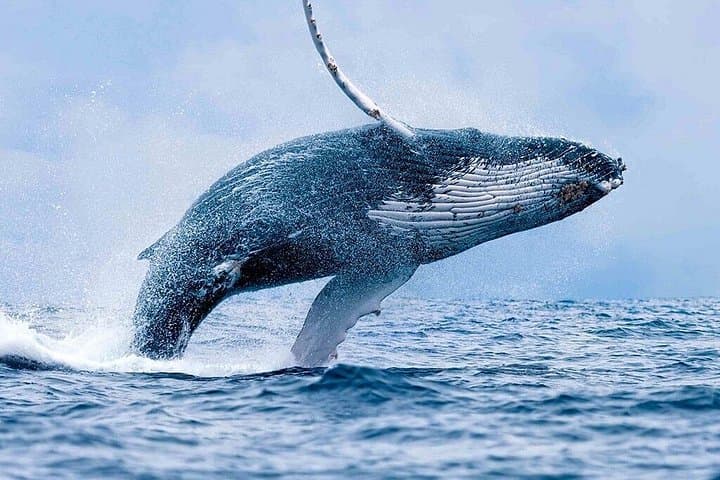
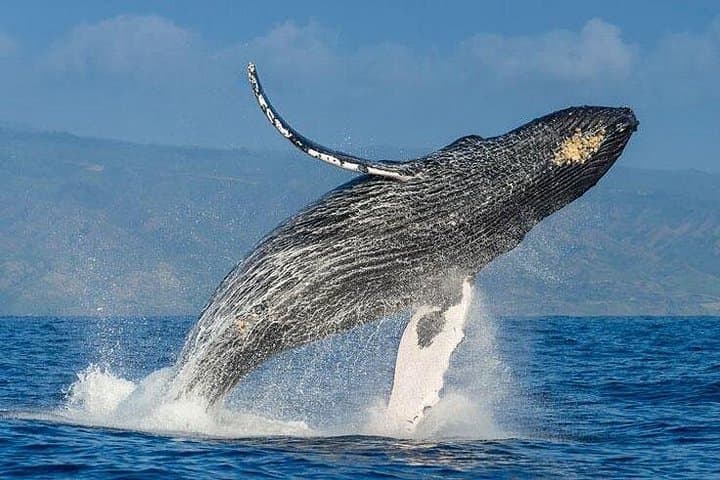
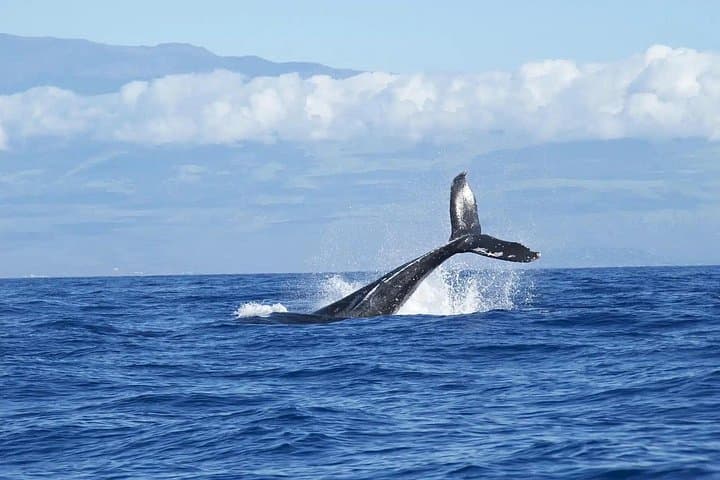
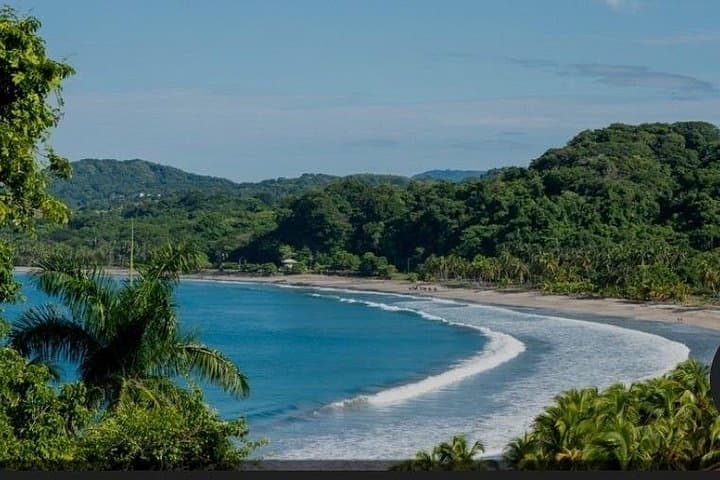
A low sun paints the Pacific silver as the van eases onto a sandy beach and the boat slips away from shore. Salt pulls at your voice; the engine’s murmur gives way to bird calls and the swell. Within minutes guides sweep the horizon, heads tipped for spouts. When a humpback exhales, the ocean answers — a living, moving event that rearranges the day.
A low sun paints the Pacific silver as the van eases onto a sandy beach and the boat slips away from shore. Salt pulls at your voice; the engine’s murmur gives way to bird calls and the swell. Within minutes guides sweep the horizon, heads tipped for spouts. When a humpback exhales, the ocean answers — a living, moving event that rearranges the day.
The waters off northern Costa Rica sit on major migratory routes: humpbacks travel here to breed and calve between December–March and again July–October. Geology shapes the show — a shallow continental shelf, currents and upwellings concentrate food and concentrate life around rocky headlands and reef formations where snorkeling reveals parrotfish, angelfish and the occasional stingray.
Locally, Tamarindo grew from a fishing village into a surf and nature hub; many guides are lifelong residents who blend local fishing knowledge with marine science. Conservation measures and respectful viewing regulations guide how close boats may approach whales and dolphins.
Practical guidance: tours run 2–3 hours and move quickly between sightings. Bring reef‑safe sunscreen, a wind layer for the open boat, and sea‑sickness remedies if you’re sensitive to swell. Snorkeling segments are usually short and nearshore — expect shallow reefs and moderate currents; guides provide equipment and a briefing before you enter the water.
Timing matters: book morning departures for calmer seas and cleaner light for photos, and tell your operator about mobility limits or young children in advance. When whales surface, stay quiet and follow the guide — the best views come from patience and respectful distance.