THE ADVENTURE COLLECTIVE® · Independent discovery and booking for outdoor travel

Spend a half-day along the Tambopata Corridor visiting a rescue shelter and a local family farm. This private tour combines wildlife rescue stories with hands-on looks at Amazonian small-scale farming and fresh fruit tasting.
Spend a half-day along the Tambopata Corridor visiting a rescue shelter and a local family farm. This private tour combines wildlife rescue stories with hands-on looks at Amazonian small-scale farming and fresh fruit tasting.
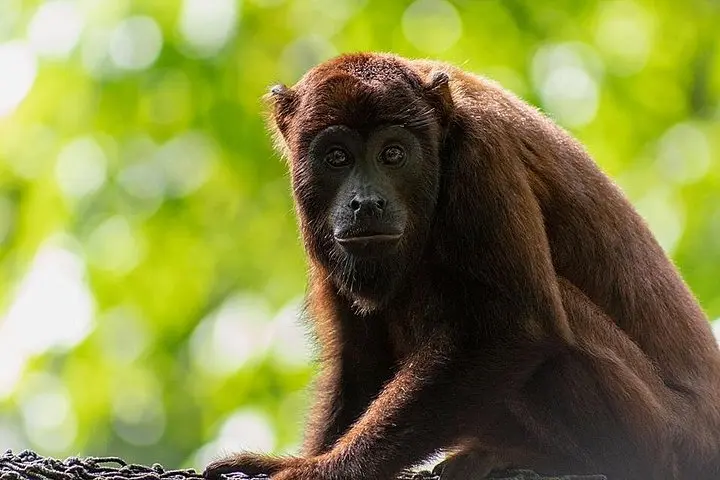
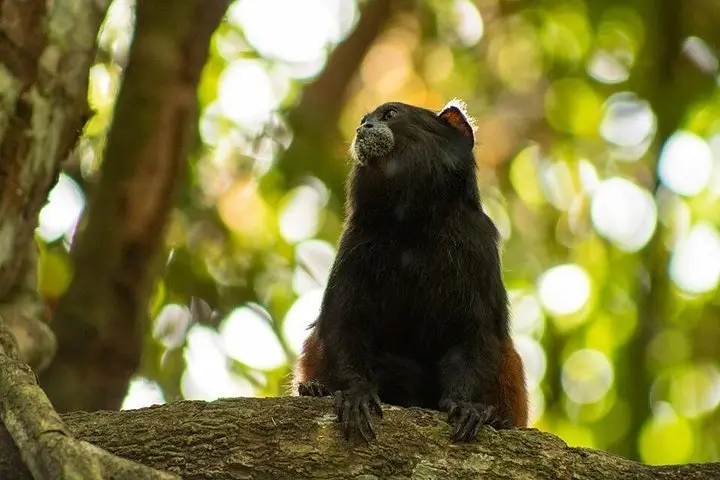
You step off the riverbank into hot, humid air that smells faintly of wet soil and ripe fruit. The Tambopata Corridor opens ahead: scrubby floodplain, braided oxbows, and a narrow track that runs beside the Tambopata River. Voices of birds thread through the canopy while the guide points out the shelter ahead — a low cluster of wooden buildings where rescued animals are slowly reacclimating to life beyond the illegal pet trade.
Verified experiences and guided adventures in the surrounding area.
Operated by Green House Tambopata · Puerto Maldonado, Madre de Dios
You step off the riverbank into hot, humid air that smells faintly of wet soil and ripe fruit. The Tambopata Corridor opens ahead: scrubby floodplain, braided oxbows, and a narrow track that runs beside the Tambopata River. Voices of birds thread through the canopy while the guide points out the shelter ahead — a low cluster of wooden buildings where rescued animals are slowly reacclimating to life beyond the illegal pet trade.
The shelter’s story traces recent regional history: local rescuers like Mrs. Magali have intercepted animals destined for markets, offering sanctuary and rehabilitation. Geologically the corridor sits on Amazonian lowlands — soft alluvial soils deposited by the Madre de Dios and Tambopata rivers — which shape wet, fertile pockets for small farms and abundant wildlife.
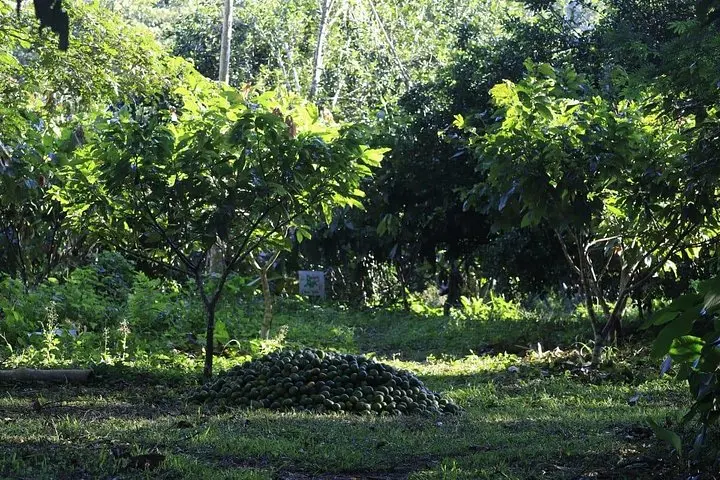
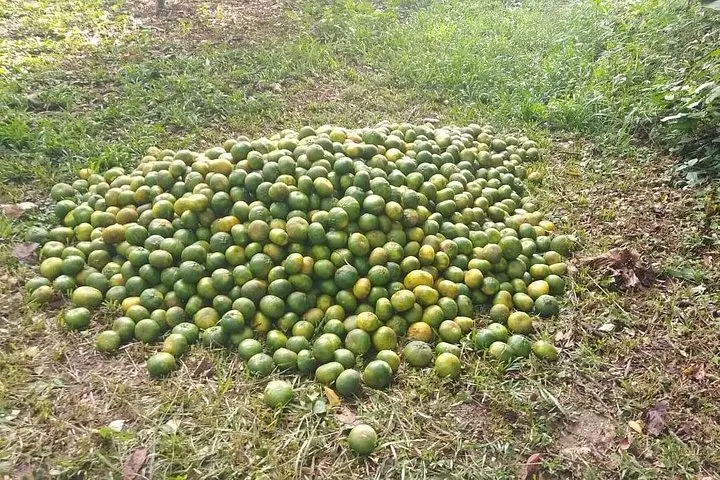
Visiting a neighboring family farm, you’ll walk gentle dirt lanes between banana palms and cacao trees, sample organic fruit still warm from the sun, and learn practical agroforestry techniques locals use to get year-round yields. Culture here is river-first: boats, seasonal flood cycles, and foodways tied to the forest’s rhythm.
Practical guidance: the activity is a half-day private tour (about 5 hours) with hotel pickup from Puerto Maldonado. Trails are short and flat but humid; expect mosquitoes and occasional mud. Bring a refillable water bottle, long sleeves, and insect repellent. Photography is welcome but respect animal enclosures and the family’s privacy. The visit is informative rather than strenuous — ideal for travelers who want close-up learning about Amazonian wildlife rescue and smallholder farming without multi-day trekking.
This is a roughly 5-hour private tour with hotel pickup in Puerto Maldonado, entry to the shelter, a guided farm visit, and fruit tasting; confirm exact inclusions with the operator.
Yes—operators note it’s suitable for all fitness levels, but infants must sit on an adult’s lap during transport.
The shelter focuses on rescued wildlife and you may see small mammals and birds in enclosures; seeing large wild mammals in the open forest is unlikely on a half-day visit.
Basic restroom facilities are usually available at the shelter and family home; bring snacks if you have dietary needs and carry small cash for any purchases.
Green House Tambopata operates guided outdoor trips and adventures with an emphasis on safety, stewardship, and memorable experiences.
You step off the riverbank into hot, humid air that smells faintly of wet soil and ripe fruit. The Tambopata Corridor opens ahead: scrubby floodplain, braided oxbows, and a narrow track that runs beside the Tambopata River. Voices of birds thread through the canopy while the guide points out the shelter ahead — a low cluster of wooden buildings where rescued animals are slowly reacclimating to life beyond the illegal pet trade.
You step off the riverbank into hot, humid air that smells faintly of wet soil and ripe fruit. The Tambopata Corridor opens ahead: scrubby floodplain, braided oxbows, and a narrow track that runs beside the Tambopata River. Voices of birds thread through the canopy while the guide points out the shelter ahead — a low cluster of wooden buildings where rescued animals are slowly reacclimating to life beyond the illegal pet trade.
The shelter’s story traces recent regional history: local rescuers like Mrs. Magali have intercepted animals destined for markets, offering sanctuary and rehabilitation. Geologically the corridor sits on Amazonian lowlands — soft alluvial soils deposited by the Madre de Dios and Tambopata rivers — which shape wet, fertile pockets for small farms and abundant wildlife.
Visiting a neighboring family farm, you’ll walk gentle dirt lanes between banana palms and cacao trees, sample organic fruit still warm from the sun, and learn practical agroforestry techniques locals use to get year-round yields. Culture here is river-first: boats, seasonal flood cycles, and foodways tied to the forest’s rhythm.
Practical guidance: the activity is a half-day private tour (about 5 hours) with hotel pickup from Puerto Maldonado. Trails are short and flat but humid; expect mosquitoes and occasional mud. Bring a refillable water bottle, long sleeves, and insect repellent. Photography is welcome but respect animal enclosures and the family’s privacy. The visit is informative rather than strenuous — ideal for travelers who want close-up learning about Amazonian wildlife rescue and smallholder farming without multi-day trekking.