THE ADVENTURE COLLECTIVE® · Independent discovery and booking for outdoor travel

A focused two-day trip through the Huasteca Potosina that pairs a rowing approach to Tamul Waterfall and a swim in a flooded cave with an intimate visit to Edward James’ surreal gardens in Xilitla. Expect boat time, short swims, uneven paths and a deep dive into regional art and landscape.
A focused two-day trip through the Huasteca Potosina that pairs a rowing approach to Tamul Waterfall and a swim in a flooded cave with an intimate visit to Edward James’ surreal gardens in Xilitla. Expect boat time, short swims, uneven paths and a deep dive into regional art and landscape.
You arrive before dawn and the highway unfurls toward the green ribs of the Huasteca Potosina. By midday you’re in Tanchachín, stepping into a narrow, oar-driven boat that cuts a bright line through the river; the water seems to tug the craft forward as Tamul’s column of spray grows taller and louder until the falls demand your attention. Later, a cool grotto glows where an underground spring opens into a flooded cave — the current here invites a short, refreshing swim.
Verified experiences and guided adventures in the surrounding area.
Operated by Corazón de Xoconostle Tours · Xilitla, San Luis Potosí
You arrive before dawn and the highway unfurls toward the green ribs of the Huasteca Potosina. By midday you’re in Tanchachín, stepping into a narrow, oar-driven boat that cuts a bright line through the river; the water seems to tug the craft forward as Tamul’s column of spray grows taller and louder until the falls demand your attention. Later, a cool grotto glows where an underground spring opens into a flooded cave — the current here invites a short, refreshing swim.
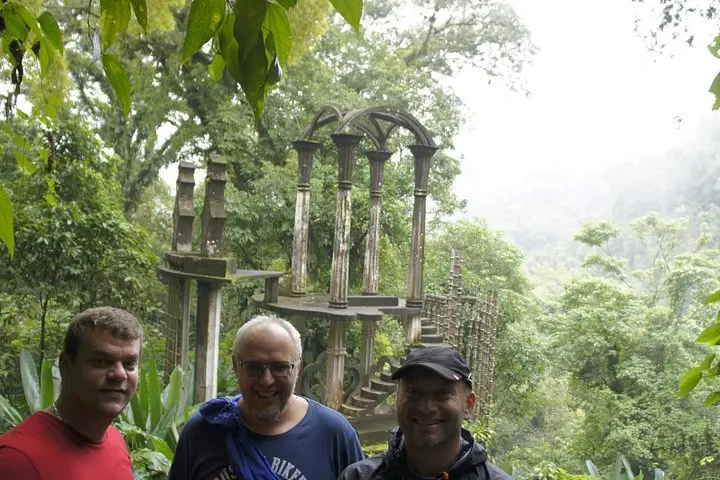
This region is carved from folded limestone and fed by clear karst springs; rivers like the Tampaón have gouged dramatic cliffs and created the conditions for Tamul’s 105-meter cascade. Xilitla, by contrast, is a human-made dreamscape: Edward James’ surrealist garden (mid-20th century) sits among wet tropical flora and decaying concrete staircases that the forest is steadily reclaiming. Nearby, the Leonora Carrington collection highlights a local chapter of European surrealists who found a home and creative soil here.
Practically: the tour covers roughly 3.5 hours of driving each way from San Luis Potosí, a 4.2 km downstream boat ride, short swims in calm river sections and a guided walking visit through gardens and a small museum. Expect uneven trails, slick rocks and humid heat — bring sturdy water shoes, a swimsuit, towel, sunscreen and a dry bag for electronics. Guides provide basic safety gear for water activities and handle reservations at Edward James’ garden so your entry is timed. For food, regional breakfasts and wood-stove lunches introduce huasteco dishes like enchiladas huastecas and cecina. Time your trip for lower river flows if you want gentler swims, or visit in drier months for clearer trails.
Swimming is optional but common; there are scheduled swims in calm sections of the Tampaón and in the water cave—guides provide safety gear.
The guided, oar-powered trip covers about 4.2 km downstream to the base of Tamul and returns after swim stops; plan for roughly an hour each way depending on conditions.
Yes—reservations and admission for the garden and Leonora Carrington’s museum are handled and included with the tour.
Operators may cancel or modify activities for safety during heavy rain or high river flows; the tour’s cancellation policy typically allows refunds with 24+ hours notice.
Corazón de Xoconostle Tours operates guided outdoor trips and adventures with an emphasis on safety, stewardship, and memorable experiences.
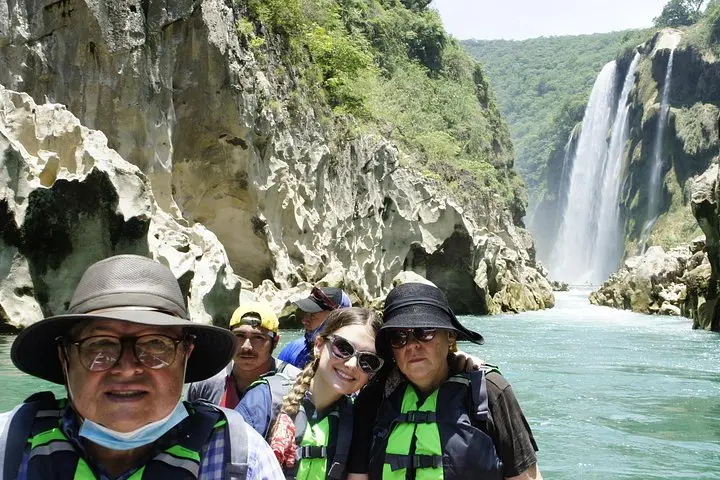
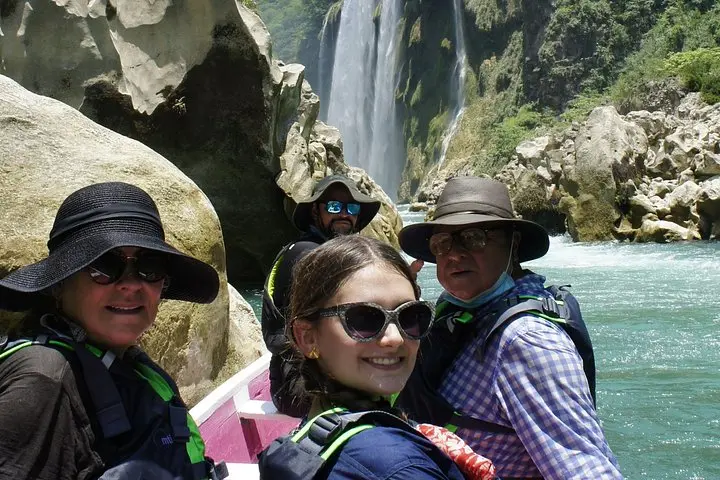
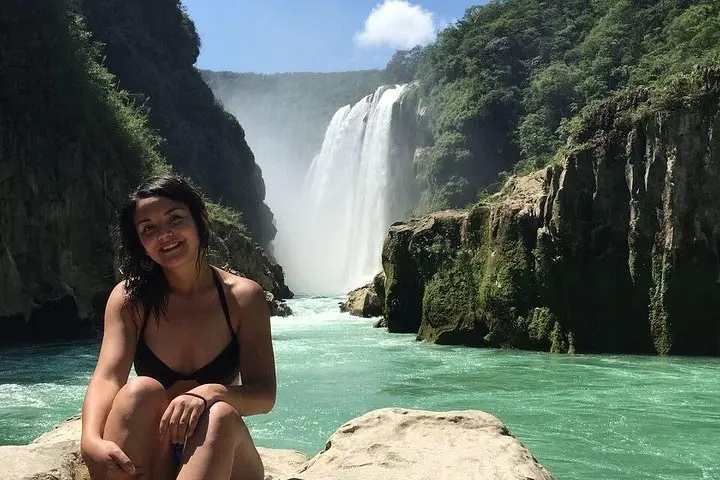
You arrive before dawn and the highway unfurls toward the green ribs of the Huasteca Potosina. By midday you’re in Tanchachín, stepping into a narrow, oar-driven boat that cuts a bright line through the river; the water seems to tug the craft forward as Tamul’s column of spray grows taller and louder until the falls demand your attention. Later, a cool grotto glows where an underground spring opens into a flooded cave — the current here invites a short, refreshing swim.
You arrive before dawn and the highway unfurls toward the green ribs of the Huasteca Potosina. By midday you’re in Tanchachín, stepping into a narrow, oar-driven boat that cuts a bright line through the river; the water seems to tug the craft forward as Tamul’s column of spray grows taller and louder until the falls demand your attention. Later, a cool grotto glows where an underground spring opens into a flooded cave — the current here invites a short, refreshing swim.
This region is carved from folded limestone and fed by clear karst springs; rivers like the Tampaón have gouged dramatic cliffs and created the conditions for Tamul’s 105-meter cascade. Xilitla, by contrast, is a human-made dreamscape: Edward James’ surrealist garden (mid-20th century) sits among wet tropical flora and decaying concrete staircases that the forest is steadily reclaiming. Nearby, the Leonora Carrington collection highlights a local chapter of European surrealists who found a home and creative soil here.
Practically: the tour covers roughly 3.5 hours of driving each way from San Luis Potosí, a 4.2 km downstream boat ride, short swims in calm river sections and a guided walking visit through gardens and a small museum. Expect uneven trails, slick rocks and humid heat — bring sturdy water shoes, a swimsuit, towel, sunscreen and a dry bag for electronics. Guides provide basic safety gear for water activities and handle reservations at Edward James’ garden so your entry is timed. For food, regional breakfasts and wood-stove lunches introduce huasteco dishes like enchiladas huastecas and cecina. Time your trip for lower river flows if you want gentler swims, or visit in drier months for clearer trails.