THE ADVENTURE COLLECTIVE® · Independent discovery and booking for outdoor travel

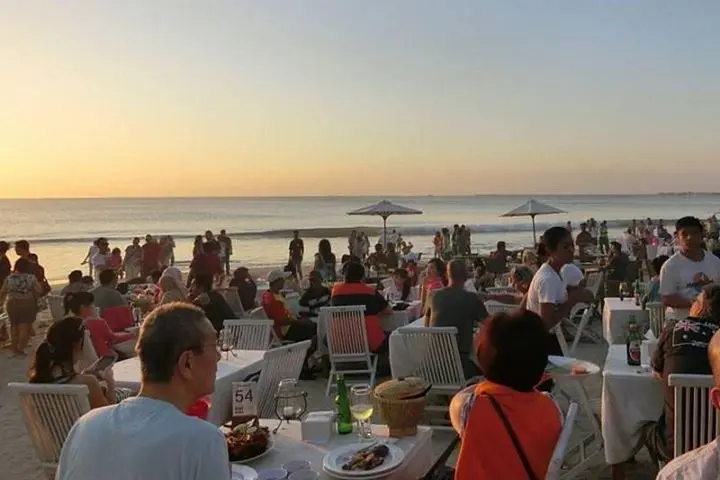
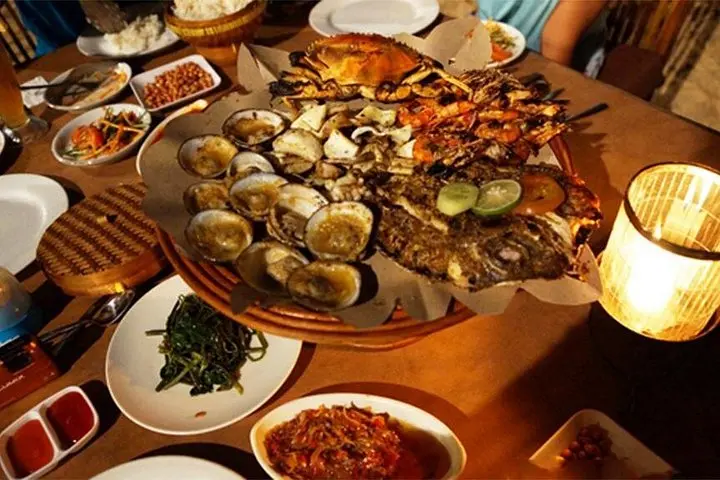
A private day trip from Bali’s resort belt, this tour pairs the sea-sculpted Tanah Lot temple with a sunset seafood dinner on Jimbaran Beach. Expect coastal walks, cultural rituals at the temple, and beachfront grilling as the sun dips below the Indian Ocean.
A private day trip from Bali’s resort belt, this tour pairs the sea-sculpted Tanah Lot temple with a sunset seafood dinner on Jimbaran Beach. Expect coastal walks, cultural rituals at the temple, and beachfront grilling as the sun dips below the Indian Ocean.
You step from the air-conditioned car onto a coast where the ocean keeps time with the sky. Wind tugs at sarongs and the salt-slick rocks below Tanah Lot clack as waves find their way through a centuries-old silhouette of stone and shrine. The temple perches on a rocky outcrop that looks like it dared the sea and won small concessions.
Verified experiences and guided adventures in the surrounding area.
Operated by Sewa Mobil Bali · Tabanan, Bali
You step from the air-conditioned car onto a coast where the ocean keeps time with the sky. Wind tugs at sarongs and the salt-slick rocks below Tanah Lot clack as waves find their way through a centuries-old silhouette of stone and shrine. The temple perches on a rocky outcrop that looks like it dared the sea and won small concessions.
Tanah Lot began as a spiritual waypoint in the 16th century when the Javanese priest Nirartha established shrines along Bali’s west coast. Geologically, the temple sits on ancient volcanic rock shaped by tidal erosion; the surrounding reef and intertidal pools host seaweed farms and shorebirds by day. Culturally, the site remains an active place of worship—offerings, incense and Balinese Hindu ritual rhythms thread the visit, while nearby Jimbaran preserves its fishing-village roots with beaches that stage seafood feasts at sunset.
Practical guidance: arrive before late afternoon to explore the shore-platforms and low-tide pools; wear shoes with good traction for slippery steps and algae. Expect crowds at sunset; private transport smooths logistics but plan 10 hours for round-trip driving and dining. Cash is handy for temple donations and beachside cafes; modest dress is required in temple areas (shoulders covered). If rain moves in, Jimbaran’s open-air seafood cafes remain atmospheric—hot coals and grilled fish cut through the damp. Hydrate between stops and allow time to sit through the long, slow Bali sunset—it's as much part of the ritual as the meal.
Yes—there is an entrance fee to the Tanah Lot temple complex; it’s paid at the site and helps support conservation and local maintenance.
The tour is family-friendly but includes uneven steps and some walking; those with mobility issues should take care and may not be able to access all viewpoints.
Visitors can observe ceremonies but should stay respectful and follow instructions from temple attendants; some inner areas may be closed to tourists during major rites.
Driving times vary by hotel location and traffic—expect up to 1.5–2 hours each way from southern resorts like Nusa Dua or Kuta; the full tour runs about 10 hours including dinner.
Sewa Mobil Bali operates guided outdoor trips and adventures with an emphasis on safety, stewardship, and memorable experiences.
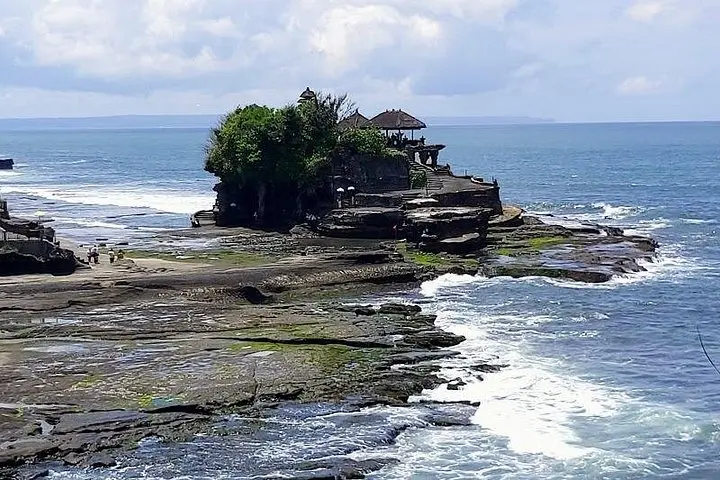
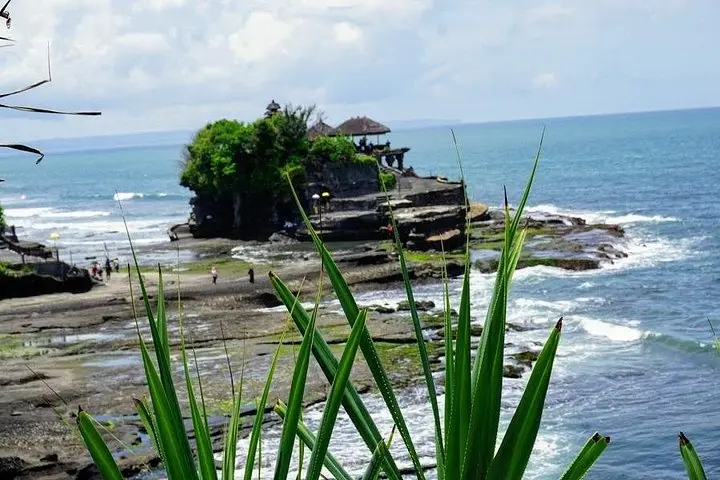
You step from the air-conditioned car onto a coast where the ocean keeps time with the sky. Wind tugs at sarongs and the salt-slick rocks below Tanah Lot clack as waves find their way through a centuries-old silhouette of stone and shrine. The temple perches on a rocky outcrop that looks like it dared the sea and won small concessions.
You step from the air-conditioned car onto a coast where the ocean keeps time with the sky. Wind tugs at sarongs and the salt-slick rocks below Tanah Lot clack as waves find their way through a centuries-old silhouette of stone and shrine. The temple perches on a rocky outcrop that looks like it dared the sea and won small concessions.
Tanah Lot began as a spiritual waypoint in the 16th century when the Javanese priest Nirartha established shrines along Bali’s west coast. Geologically, the temple sits on ancient volcanic rock shaped by tidal erosion; the surrounding reef and intertidal pools host seaweed farms and shorebirds by day. Culturally, the site remains an active place of worship—offerings, incense and Balinese Hindu ritual rhythms thread the visit, while nearby Jimbaran preserves its fishing-village roots with beaches that stage seafood feasts at sunset.
Practical guidance: arrive before late afternoon to explore the shore-platforms and low-tide pools; wear shoes with good traction for slippery steps and algae. Expect crowds at sunset; private transport smooths logistics but plan 10 hours for round-trip driving and dining. Cash is handy for temple donations and beachside cafes; modest dress is required in temple areas (shoulders covered). If rain moves in, Jimbaran’s open-air seafood cafes remain atmospheric—hot coals and grilled fish cut through the damp. Hydrate between stops and allow time to sit through the long, slow Bali sunset—it's as much part of the ritual as the meal.