THE ADVENTURE COLLECTIVE® · Independent discovery and booking for outdoor travel

Leap from 15,000 feet over Tauranga for a 40-second freefall and a calm canopy ride above golden beaches and volcanic peaks. This guide covers what to expect, local context, and practical tips to make the jump go smoothly.
Leap from 15,000 feet over Tauranga for a 40-second freefall and a calm canopy ride above golden beaches and volcanic peaks. This guide covers what to expect, local context, and practical tips to make the jump go smoothly.
You taxi down a short runway, the coastal light slicing across golden beaches, then lift above the Bay of Plenty. The plane climbs for 20–25 minutes and the patchwork of beaches, Mauao (The Mount) and the white steam plume of Whakaari/White Island recede beneath you. At altitude the wind has a voice; the instructor straps you in and the world contracts to a single step.
Verified experiences and guided adventures in the surrounding area.
Operated by Skydive Tauranga · Tauranga, Bay of Plenty
You taxi down a short runway, the coastal light slicing across golden beaches, then lift above the Bay of Plenty. The plane climbs for 20–25 minutes and the patchwork of beaches, Mauao (The Mount) and the white steam plume of Whakaari/White Island recede beneath you. At altitude the wind has a voice; the instructor straps you in and the world contracts to a single step.
Tauranga sits on a volcanic coastline shaped by eruptions and longshore drift. Mauao, the volcanic cone at Mount Maunganui, is a local cultural landmark with stories from tangata whenua (local Māori) woven into its slopes. From the aircraft you’ll also see the Rotorua lakes and distant peaks like Ruapehu and Taranaki on a clear day — a reminder that Aotearoa’s landscape is young and still restless.
The jump itself is brief and intense: up to 40 seconds of freefall at around 200 km/h before the instructor opens the canopy at roughly 5,000 ft for a calm five-minute glide back toward Tauranga. Expect clear safety briefings, weight and health checks, and the option to take control of the parachute if trained by your tandem guide.
Practical tips: arrive 30 minutes early, wear close-toed shoes and layers to handle changing wind chill, and plan for morning slots when winds tend to be lighter. Photography packages are common — book early. If you want the best visibility, choose a day after a high-pressure front has cleared sea haze. Respect staff instructions and the cultural significance of local landmarks when on the ground.
Most operators set a weight limit around 110 kg and accept participants typically aged 16+ with parental consent for minors; confirm with the operator when booking.
Yes—photography/video packages are commonly offered; book in advance to guarantee a camera-equipped instructor or designated videographer.
Jumps are cancelled for high winds, low cloud, or unsafe conditions; you’ll usually be offered a rebooking or full refund if cancelled at least 24 hours ahead.
No prior skydiving experience is required for tandem jumps; you’ll receive a safety briefing and be paired with a licensed instructor.
Skydive Tauranga operates guided outdoor trips and adventures with an emphasis on safety, stewardship, and memorable experiences.
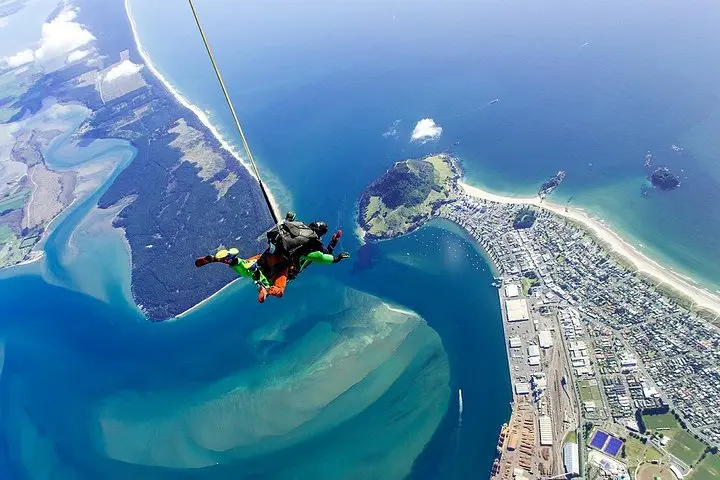
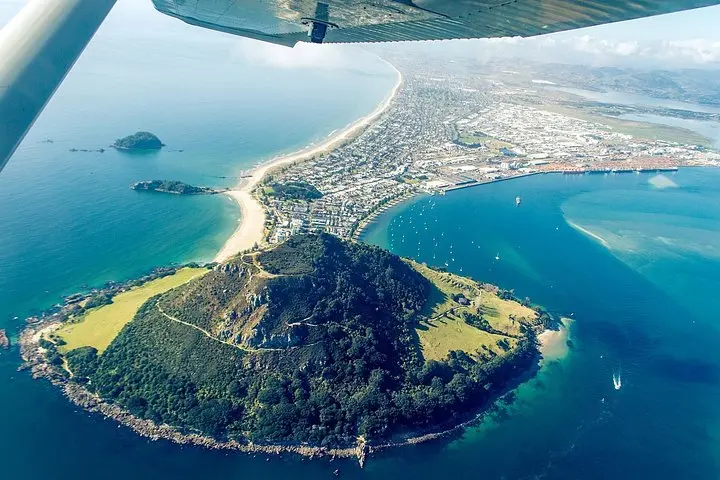
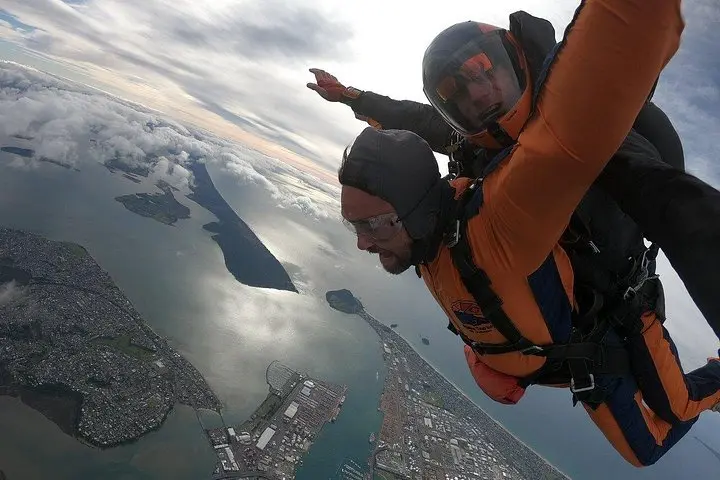
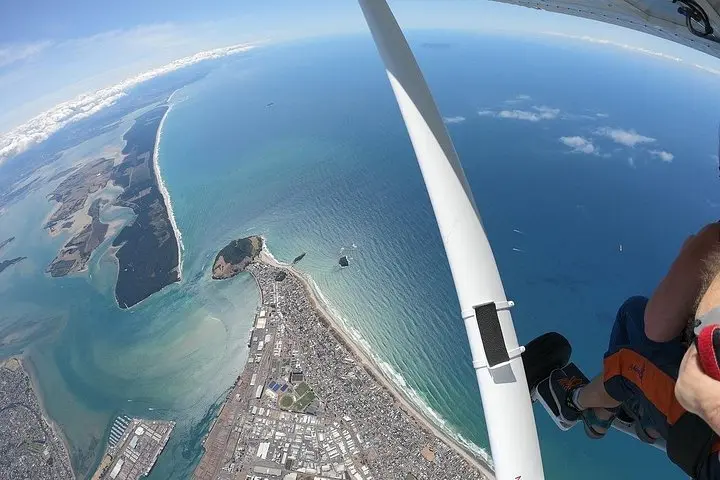
You taxi down a short runway, the coastal light slicing across golden beaches, then lift above the Bay of Plenty. The plane climbs for 20–25 minutes and the patchwork of beaches, Mauao (The Mount) and the white steam plume of Whakaari/White Island recede beneath you. At altitude the wind has a voice; the instructor straps you in and the world contracts to a single step.
You taxi down a short runway, the coastal light slicing across golden beaches, then lift above the Bay of Plenty. The plane climbs for 20–25 minutes and the patchwork of beaches, Mauao (The Mount) and the white steam plume of Whakaari/White Island recede beneath you. At altitude the wind has a voice; the instructor straps you in and the world contracts to a single step.
Tauranga sits on a volcanic coastline shaped by eruptions and longshore drift. Mauao, the volcanic cone at Mount Maunganui, is a local cultural landmark with stories from tangata whenua (local Māori) woven into its slopes. From the aircraft you’ll also see the Rotorua lakes and distant peaks like Ruapehu and Taranaki on a clear day — a reminder that Aotearoa’s landscape is young and still restless.
The jump itself is brief and intense: up to 40 seconds of freefall at around 200 km/h before the instructor opens the canopy at roughly 5,000 ft for a calm five-minute glide back toward Tauranga. Expect clear safety briefings, weight and health checks, and the option to take control of the parachute if trained by your tandem guide.
Practical tips: arrive 30 minutes early, wear close-toed shoes and layers to handle changing wind chill, and plan for morning slots when winds tend to be lighter. Photography packages are common — book early. If you want the best visibility, choose a day after a high-pressure front has cleared sea haze. Respect staff instructions and the cultural significance of local landmarks when on the ground.