THE ADVENTURE COLLECTIVE® · Independent discovery and booking for outdoor travel

Explore Tangier’s bustling medina, Kasbah ramparts and the meeting place of two seas, then drive into the Rif to wander Chefchaouen’s iconic blue alleys. This private two‑day tour combines history, geology and practical tips for on‑foot exploration.
Explore Tangier’s bustling medina, Kasbah ramparts and the meeting place of two seas, then drive into the Rif to wander Chefchaouen’s iconic blue alleys. This private two‑day tour combines history, geology and practical tips for on‑foot exploration.
You step out of the air‑conditioned van into Tangier’s Grand Socco and the market greets you like a language — calls, spices, cloth. Narrow alleys funnel you past metalworkers and goldsmiths, then open into the Kasbah where stone walls frame a view over the Strait where Atlantic currents push against the Mediterranean.
Verified experiences and guided adventures in the surrounding area.
Operated by Smihi Ahmed · Tangier, Tanger-Tetouan-Al Hoceima
You step out of the air‑conditioned van into Tangier’s Grand Socco and the market greets you like a language — calls, spices, cloth. Narrow alleys funnel you past metalworkers and goldsmiths, then open into the Kasbah where stone walls frame a view over the Strait where Atlantic currents push against the Mediterranean.
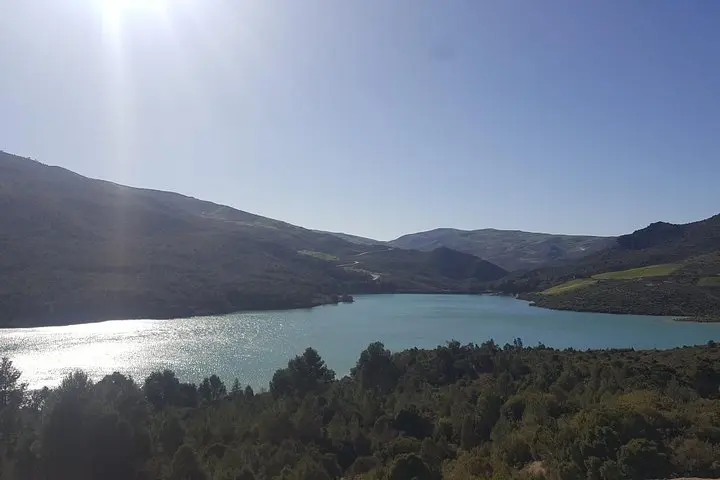
This two‑day route pairs Tangier’s layered past — Phoenician ports, Roman and Andalusian influences, and a 20th‑century international zone — with the Rif’s quieter blue medina of Chefchaouen. Geologically the region shifts quickly: coastal limestone cliffs give way to the folded, terraced slopes of the Rif Mountains, where spring water and olive groves shape village life.
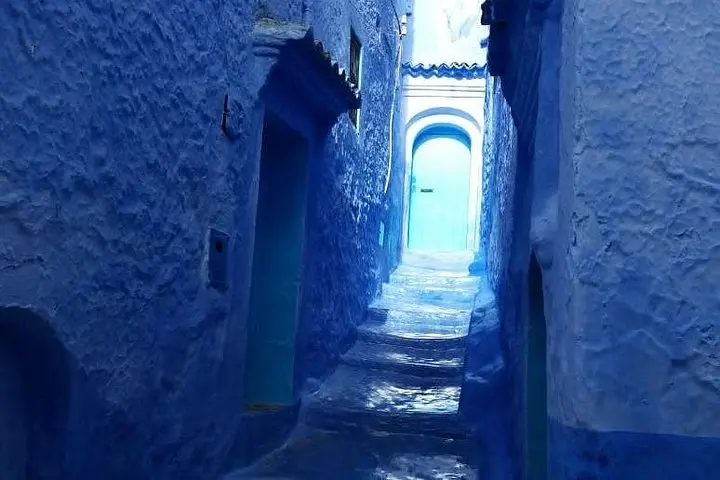
Chefchaouen was founded in the 15th century by refugees from Andalusia and later dyed itself blue; the color cools narrow streets and softens the mountain light. Local culture is small‑scale: artisans, family‑run cafés, and a slower pace invite exploration on foot.
Practical guidance: you’ll cover uneven cobbles and short climbs, so bring grippy shoes and a daypack. Expect two days of mostly flat walking in Tangier and an hour‑and‑a‑half drive through agricultural villages to reach the Rif — the road offers viewpoint stops. Hydrate in the dry air, use sun protection on exposed capes and terraces, and keep small bills for market purchases and museum entry.
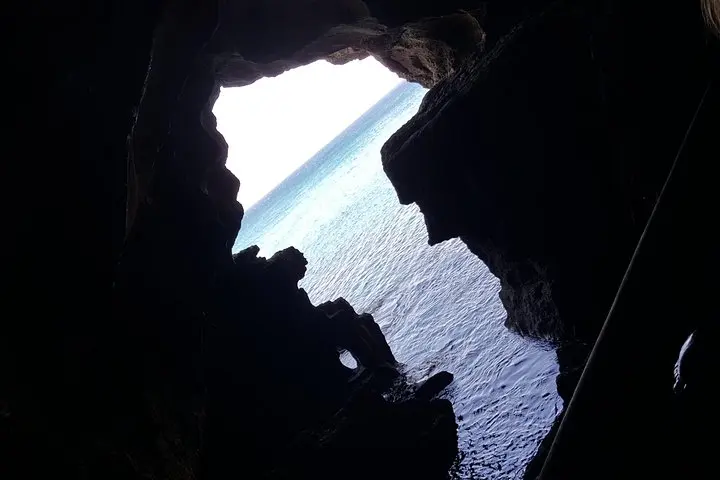
Timing matters: mornings are coolest for the medina; late afternoon light on Cape Spartel and the Hercules cave gives the best photos. With local guides handling transport and logistics, the trip balances cultural depth with straightforward comfort.
The transfer is about 1.5 to 2 hours each way depending on traffic and stops; the operator includes scenic viewpoint breaks.
Some attractions listed as included or not applicable—confirm specific admissions with the operator before booking as policies can change.
Yes; infant seats are available and the tour is described as suitable for all fitness levels, but plan shorter walking loops for young children.
Guides typically speak French, English, and often Spanish; confirm language preference when booking.
Smihi Ahmed operates guided outdoor trips and adventures with an emphasis on safety, stewardship, and memorable experiences.
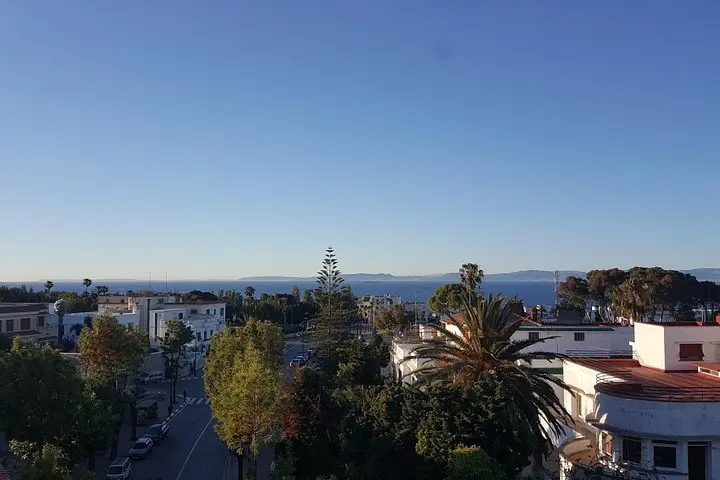
You step out of the air‑conditioned van into Tangier’s Grand Socco and the market greets you like a language — calls, spices, cloth. Narrow alleys funnel you past metalworkers and goldsmiths, then open into the Kasbah where stone walls frame a view over the Strait where Atlantic currents push against the Mediterranean.
You step out of the air‑conditioned van into Tangier’s Grand Socco and the market greets you like a language — calls, spices, cloth. Narrow alleys funnel you past metalworkers and goldsmiths, then open into the Kasbah where stone walls frame a view over the Strait where Atlantic currents push against the Mediterranean.
This two‑day route pairs Tangier’s layered past — Phoenician ports, Roman and Andalusian influences, and a 20th‑century international zone — with the Rif’s quieter blue medina of Chefchaouen. Geologically the region shifts quickly: coastal limestone cliffs give way to the folded, terraced slopes of the Rif Mountains, where spring water and olive groves shape village life.
Chefchaouen was founded in the 15th century by refugees from Andalusia and later dyed itself blue; the color cools narrow streets and softens the mountain light. Local culture is small‑scale: artisans, family‑run cafés, and a slower pace invite exploration on foot.
Practical guidance: you’ll cover uneven cobbles and short climbs, so bring grippy shoes and a daypack. Expect two days of mostly flat walking in Tangier and an hour‑and‑a‑half drive through agricultural villages to reach the Rif — the road offers viewpoint stops. Hydrate in the dry air, use sun protection on exposed capes and terraces, and keep small bills for market purchases and museum entry.
Timing matters: mornings are coolest for the medina; late afternoon light on Cape Spartel and the Hercules cave gives the best photos. With local guides handling transport and logistics, the trip balances cultural depth with straightforward comfort.