THE ADVENTURE COLLECTIVE® · Independent discovery and booking for outdoor travel

Ride Morocco’s TGV to Tangier, explore coastal cliffs and a historic medina, then climb into the Rif to wander Chefchaouen’s blue streets. This 2-day itinerary pairs high-speed rail with compact walking and cultural discovery.
Ride Morocco’s TGV to Tangier, explore coastal cliffs and a historic medina, then climb into the Rif to wander Chefchaouen’s blue streets. This 2-day itinerary pairs high-speed rail with compact walking and cultural discovery.
You step off the TGV into Tangier with the Atlantic wind already rearranging your thoughts—salted and brisk, it pushes you toward the Kasbah and the port where seagulls patrol the water like small, impatient sentinels.
Verified experiences and guided adventures in the surrounding area.
Operated by STE Easy Transfers · Tangier, Tanger-Tetouan-Al Hoceima
You step off the TGV into Tangier with the Atlantic wind already rearranging your thoughts—salted and brisk, it pushes you toward the Kasbah and the port where seagulls patrol the water like small, impatient sentinels.
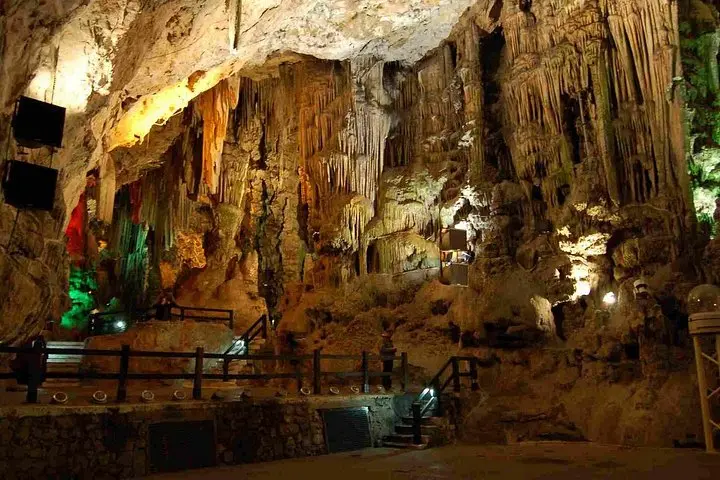
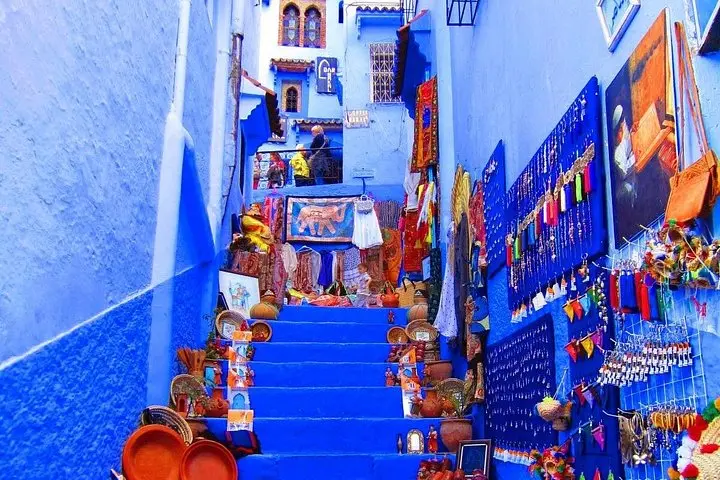
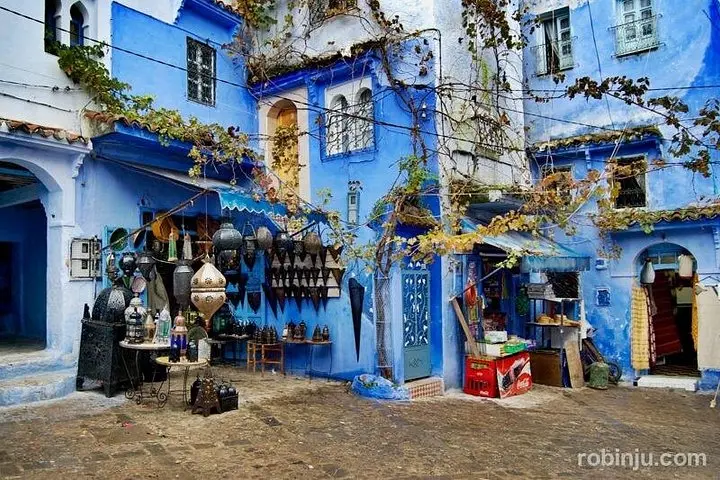
Day one stitches coastal geology and layered history: the cliffs at Cape Spartel and the nearby Hercules Caves carve limestone into dramatic overlooks over the Strait of Gibraltar. Tangier’s medina folds inward from the sea, a mix of Andalusi, Berber and French colonial traces where narrow alleys funnel conversation, commerce and the scent of saffron. The next morning the train climbs toward the Rif Mountains and Chefchaouen’s famously blue medina—whitewashed walls overlaid with pigments that cool the light and quiet the heat.
Chefchaouen began as a Berber fortification and later adopted Andalusian craft traditions; its compact streets make for easy walking, rooftop cafés and a kasbah that reads more like a living ruin than a museum. The Rif’s limestone ridges give way to terraced agriculture and sudden gullies; springs and small streams dare you higher on short walks above town.
Practical guidance: book the early TGV from Casa Voyageurs and allow buffer for station transfers; bring local cash for small vendors; wear broken-in, closed-toe shoes for cobbled streets; carry a light layer for coastal winds and a refillable bottle—the medina’s alleys are shaded but thirsty work. Expect easy walking, cultural immersion, and compact, scenic hikes if you add time to explore the Rif beyond the blue lanes.
The tour begins with pickup in Casablanca for the train to Tangier and ends with a return TGV to Casablanca after visiting Chefchaouen.
Expect easy, self-paced walking through medinas and short uphill sections in Chefchaouen; no technical hiking is required.
Yes—infants can travel on laps and infant seats are available; the tour is labeled suitable for all fitness levels.
Breakfast is included with the overnight hotel; other meals are not typically included so plan to budget for lunch and dinner.
STE Easy Transfers operates guided outdoor trips and adventures with an emphasis on safety, stewardship, and memorable experiences.

You step off the TGV into Tangier with the Atlantic wind already rearranging your thoughts—salted and brisk, it pushes you toward the Kasbah and the port where seagulls patrol the water like small, impatient sentinels.
You step off the TGV into Tangier with the Atlantic wind already rearranging your thoughts—salted and brisk, it pushes you toward the Kasbah and the port where seagulls patrol the water like small, impatient sentinels.
Day one stitches coastal geology and layered history: the cliffs at Cape Spartel and the nearby Hercules Caves carve limestone into dramatic overlooks over the Strait of Gibraltar. Tangier’s medina folds inward from the sea, a mix of Andalusi, Berber and French colonial traces where narrow alleys funnel conversation, commerce and the scent of saffron. The next morning the train climbs toward the Rif Mountains and Chefchaouen’s famously blue medina—whitewashed walls overlaid with pigments that cool the light and quiet the heat.
Chefchaouen began as a Berber fortification and later adopted Andalusian craft traditions; its compact streets make for easy walking, rooftop cafés and a kasbah that reads more like a living ruin than a museum. The Rif’s limestone ridges give way to terraced agriculture and sudden gullies; springs and small streams dare you higher on short walks above town.
Practical guidance: book the early TGV from Casa Voyageurs and allow buffer for station transfers; bring local cash for small vendors; wear broken-in, closed-toe shoes for cobbled streets; carry a light layer for coastal winds and a refillable bottle—the medina’s alleys are shaded but thirsty work. Expect easy walking, cultural immersion, and compact, scenic hikes if you add time to explore the Rif beyond the blue lanes.