THE ADVENTURE COLLECTIVE® · Independent discovery and booking for outdoor travel

Explore Tangier’s medina, the seaward Cave of Hercules, and Cap Spartel on a private half-day tour that closes with a camel ride at the water’s edge. Expect coastal scenery, busy markets, and short walks between cultural highlights.
Explore Tangier’s medina, the seaward Cave of Hercules, and Cap Spartel on a private half-day tour that closes with a camel ride at the water’s edge. Expect coastal scenery, busy markets, and short walks between cultural highlights.
The city opens like a series of doorways—whitewashed alleys give way to a wind-swept terrace that looks across the Strait of Gibraltar. Salt and spice hang in the air as your guide leads you from the medina’s mosaic of stalls to the cliff road where the Mediterranean and Atlantic trade currents beneath Cap Spartel. A camel waits on the beach lighted by late-afternoon sun; the sea pushes and pulls like a compass you can feel.
Verified experiences and guided adventures in the surrounding area.
Operated by Tangier Dija Tours · Tangier, Tanger-Tetouan-Al Hoceima
The city opens like a series of doorways—whitewashed alleys give way to a wind-swept terrace that looks across the Strait of Gibraltar. Salt and spice hang in the air as your guide leads you from the medina’s mosaic of stalls to the cliff road where the Mediterranean and Atlantic trade currents beneath Cap Spartel. A camel waits on the beach lighted by late-afternoon sun; the sea pushes and pulls like a compass you can feel.
Tangier’s layers are visible on every corner: Phoenician and Roman traders once used this point between continents, the 20th-century international zone drew writers and artists, and the kasbah still guards narrow lanes of craft shops and small museums. Geology is on display too—the Cave of Hercules is a sea-eroded grotto with a shoreline entrance, and Cap Spartel’s headland marks where two bodies of water can be observed meeting on clear days. Local life centers on markets for bread, fish, fruits and spices; nearby is the villa once frequented by foreign residents, now an easy exterior photo stop.
Practical planning is straightforward: the private tour runs roughly 3–5 hours with air-conditioned transport, short walks on uneven coastal rock, and a camel ride often scheduled at sunset. Expect modest entrance fees at some small museums, bring cash for market purchases, and wear closed-toe shoes for rocky paths. Sunscreen, a light layer for coastal wind, and a reusable water bottle will keep you comfortable while you move between heritage sites and wide sea views.
Yes—this private tour includes air-conditioned private transportation between stops as stated in the itinerary.
Some historic monuments and museum entries are included, but a few small museum fees or optional entries may require a modest additional payment.
Camel rides on this tour are short and guided; riders should be able to mount and dismount with assistance and follow the handler’s instructions.
Dress modestly—shoulders and knees covered are recommended out of respect; comfortable, conservative clothing and a scarf are helpful.
Tangier Dija Tours operates guided outdoor trips and adventures with an emphasis on safety, stewardship, and memorable experiences.
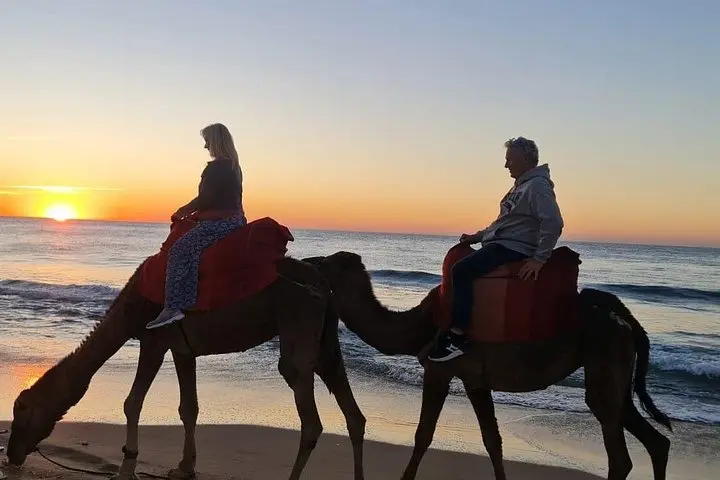
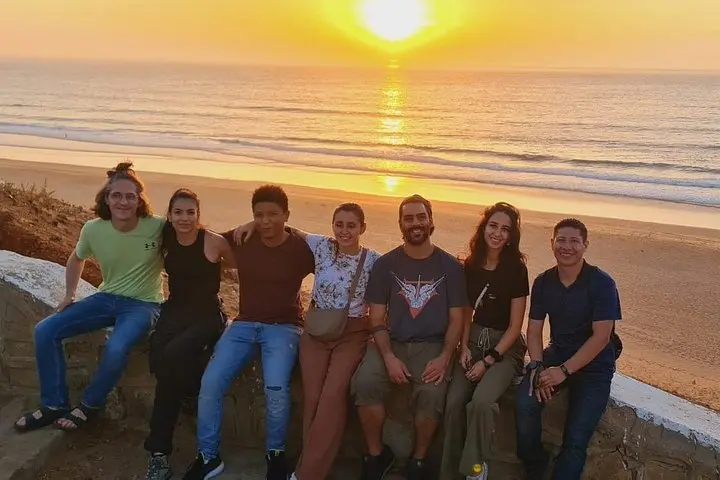
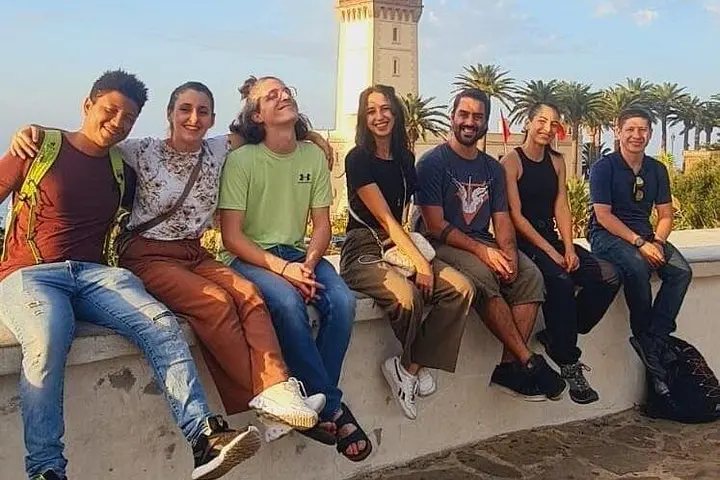
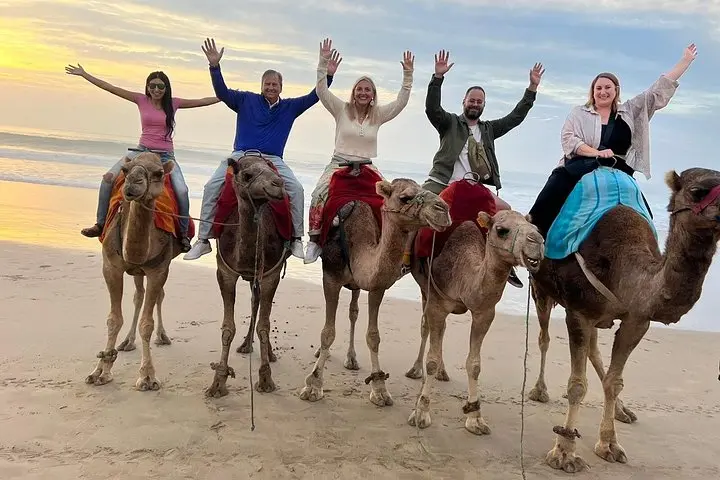
The city opens like a series of doorways—whitewashed alleys give way to a wind-swept terrace that looks across the Strait of Gibraltar. Salt and spice hang in the air as your guide leads you from the medina’s mosaic of stalls to the cliff road where the Mediterranean and Atlantic trade currents beneath Cap Spartel. A camel waits on the beach lighted by late-afternoon sun; the sea pushes and pulls like a compass you can feel.
The city opens like a series of doorways—whitewashed alleys give way to a wind-swept terrace that looks across the Strait of Gibraltar. Salt and spice hang in the air as your guide leads you from the medina’s mosaic of stalls to the cliff road where the Mediterranean and Atlantic trade currents beneath Cap Spartel. A camel waits on the beach lighted by late-afternoon sun; the sea pushes and pulls like a compass you can feel.
Tangier’s layers are visible on every corner: Phoenician and Roman traders once used this point between continents, the 20th-century international zone drew writers and artists, and the kasbah still guards narrow lanes of craft shops and small museums. Geology is on display too—the Cave of Hercules is a sea-eroded grotto with a shoreline entrance, and Cap Spartel’s headland marks where two bodies of water can be observed meeting on clear days. Local life centers on markets for bread, fish, fruits and spices; nearby is the villa once frequented by foreign residents, now an easy exterior photo stop.
Practical planning is straightforward: the private tour runs roughly 3–5 hours with air-conditioned transport, short walks on uneven coastal rock, and a camel ride often scheduled at sunset. Expect modest entrance fees at some small museums, bring cash for market purchases, and wear closed-toe shoes for rocky paths. Sunscreen, a light layer for coastal wind, and a reusable water bottle will keep you comfortable while you move between heritage sites and wide sea views.